So you’re thinking about a trip to Cuba in 2026. You’ve probably scrolled through Instagram, seen the classic cars, the colonial buildings, the beaches. And then you’ve typed into Google: “Is Cuba safe?”
That question is flooded with search results. Travel advisories. Reddit threads. Conflicting information. Western media doom-scrolling. Some local voices saying it’s paradise, others saying don’t come. Everyone’s got an opinion, and most of them are selling you something—a narrative, a fear, a fantasy.
As a Cuban, I can tell you the honest answer: it’s complicated. It’s not a simple “yes” or “no.” And before I tell you about safety, I need to talk about something more important: what you’re actually seeing when you see information about Cuba, and what your visit actually means for the real people living here.

First: Let’s Talk About What You’re Actually Reading
When you search for Cuba safety, you’re getting information filtered through multiple layers. Western media has a specific narrative about Cuba. Local government media has a different one. The reality lives in the space between both, where the stories don’t fit neatly into anyone’s propaganda.
Western media loves Cuba for specific reasons. The romantic poverty narrative. The isolated island resisting the empire. The frozen-in-time atmosphere. What they’re less interested in covering is the actual suffering—not because it’s not dramatic enough, but because it complicates the story.
Guidebook representations of Cuba regularly promote clichéd ideas about the country and its people, creating an environment that exploits the local population while claiming to be providing an ‘authentic’ experience for travelers. They tell you Cubans are uniformly carefree and happy, that they’re running casas particulares because they’re friendly people, not because they need the money to survive.
That’s not truth. That’s a narrative that lets tourists feel good about their consumption.
At the same time, the Cuban government media paints a picture of everything being fine, of tourism being this amazing opportunity, even as the government is hosting tourism fairs claiming “Cuba is more than just a sun and sand destination” while the country is experiencing its worst tourism decline in over two decades, with more than a third of its families facing hunger.
So when you’re trying to figure out if Cuba is safe, understand that you’re not getting unfiltered information. You’re getting filtered information from people with agendas. The Western media agenda. The government agenda. The travel industry agenda.
I’m giving you the in-between version. The one from someone who actually lives here.
The Quick Answer: Yes. But Understand What That Means.
Yes — Cuba is generally safe to travel to in 2026. The U.S. State Department rates it Level 2 (Exercise Increased Caution), the same level as France, Spain, Italy and the UK. Violent crime against tourists is rare. The real day-to-day challenges are petty theft, scams (jineteros), long power outages, and shortages of food, fuel and medicine.
Stay safe in 5 steps: stick to tourist-protected zones, use official or app-booked taxis, drink bottled water only, carry enough cash (USD or EUR), and buy travel insurance that is valid for Cuba.
| Factor | Cuba in 2026 — what to expect |
|---|---|
| Overall safety rating | Level 2 – Exercise Increased Caution (U.S. State Dept) |
| Safest areas | Varadero, the Cayos, Old Havana, Miramar (tourist zones) |
| Biggest risks | Petty theft, scams (jineteros), power outages, shortages |
| Violent crime vs tourists | Rare, but rising in non-tourist neighbourhoods |
| Solo female travel | Generally safe; verbal harassment (piropos) is common |
| Tap water | Not safe — drink bottled water only |
| Power outages | Frequent; up to 12+ hours a day in parts of the island |
| Travel insurance | Mandatory — must be valid for Cuba |
| Money | Bring cash (USD/EUR); U.S. cards and many foreign cards don’t work |
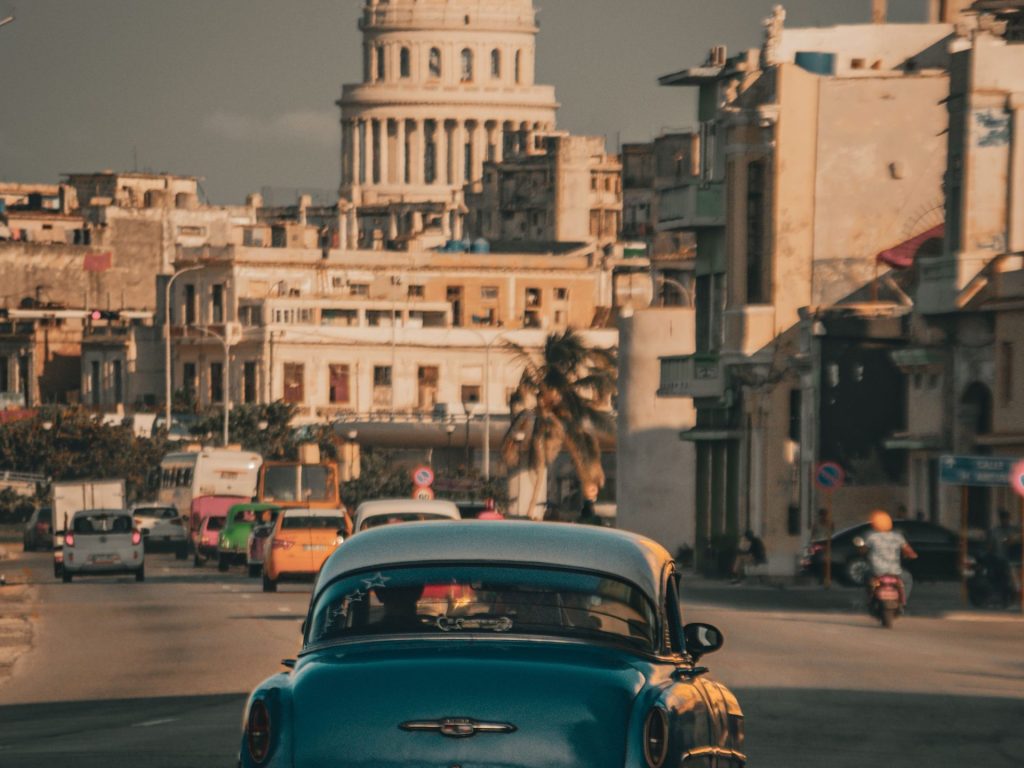
The U.S. State Department has placed Cuba under “Level 2: Exercise Increased Caution” due to crime and unreliable electrical power. That’s their way of saying “it’s not dangerous, but pay attention.”
The same Level 2 applies to countries like France, the UK, Germany, Italy, and Spain. Cuba gets the same rating as some of the safest countries in Europe.
But here’s the real secret that no travel advisory can fully explain: your safety in Cuba is 100% dependent on where you go. The experience in a protected tourist resort is a world away from the reality in a local neighborhood.
Most tourists never see that difference. They stay in the bubble. They’re protected without realizing they’re protected. And that’s fine. But if you want to understand the real situation, you need to understand something else: there’s a specific reason you’re being protected in those tourist zones, and it has to do with your money, not with you being special.
The Two Faces of Safety: The Tourist Bubble and Everything Else

I’ve seen firsthand how safety in Cuba operates. The government knows tourism is supposed to be its economic lifeline. So it protects those areas with intensity. Heavy police presence. Infrastructure maintained. Everything looking right.
The regime is projecting an image of normality that the figures contradict. While they’re advertising Cuba to tourists with slogans about authentic experiences and sun and sand, the actual situation is: rolling blackouts are longer and less predictable, fuel shortages are more severe, and there is ongoing social unrest driven by economic hardship.
The “Bubble” Zones: Where You’ll Feel Safe
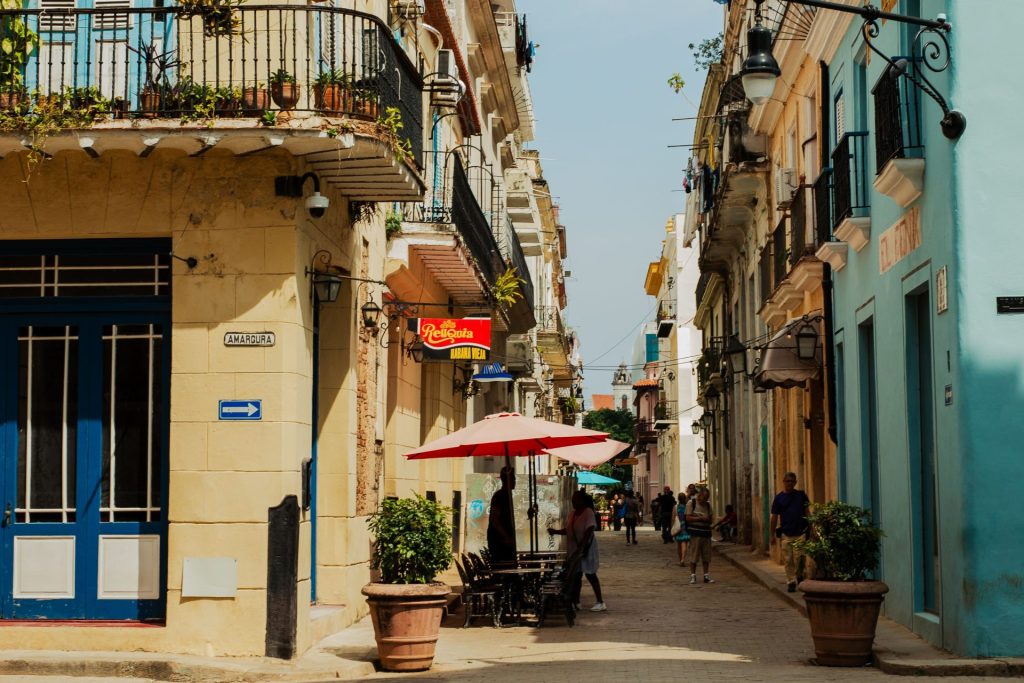
Places like Varadero, the Cayos, Miramar, or even parts of Old Havana are heavily monitored. You’ll see police. You’ll see maintenance. The infrastructure is clean because that’s what tourists pay for. In these zones, you are genuinely safe. The biggest risk you’ll likely face is a persistent local trying to sell you cigars or an overpriced taxi ride.
I felt much safer in Havana’s tourist areas than in other major cities. That’s not an accident. That’s intentional.
Everything Else: Where the Real Cuba Actually Lives
| Period | Reported crime incidents | Trend |
|---|---|---|
| 2023 | 649 | Baseline |
| 2024 | 1,317 | ▲ roughly doubled |
| First half of 2025 | 1,319 | ▲ already exceeds all of 2024 |
Reported crime incidents in Cuba. Most affected provinces: Havana, Santiago de Cuba, Matanzas and Holguín.
The Cuba where everyday people live—the neighborhoods where Cubans who aren’t making tourism money are trying to survive—is a different story. Crime incidents have increased from 649 in 2023 to 1,317 in 2024, and 1,319 in just the first half of 2025. Havana, Santiago de Cuba, Matanzas, and Holguín are consistently the most affected areas.
This isn’t random. While tourism investment surged by 51.4% from 2014 to 2024, the number of international visitors dwindled to just 73.1% of the base year’s figures. Money is being poured into hotels and resorts while more than a third of the population lacks adequate access to food.
When people are struggling to eat, when there are blackouts every day, when there are shortages of everything—crime increases. That’s not a judgment. It’s cause and effect.
Now Let’s Talk About What Your Visit Actually Means

Before I tell you how to stay safe, I need to talk about something that matters more: what your tourism dollars actually do in Cuba.
In 2025, tourism in Cuba experienced a decline of 17.8%, with only 1.8 million tourists, severely impacting the economy. Since 2018, Cuban tourism has lost 62% of its visitors, dropping from 4.7 million to fewer than 300,000 in the first quarter of 2026.
That sounds bad for Cuba. But here’s the thing: the way tourism money flows in Cuba doesn’t help most Cubans. Over $300 million is invested annually in tourism-related water infrastructure. However, these initiatives favor tourist hotspots like Guardalavaca, Cayo Largo, and Santa Lucía, while local residents paradoxically still rely on water trucks for their supply.
Tourists stay in beautiful hotels with air conditioning while their neighbors don’t have reliable water. Tourists eat at restaurants while people in the neighborhood are hungry. Your dollars are going to government-controlled hotels and corporations, not to the actual people who live here.
That’s where the casa particular thing becomes important. Praised by tourists as a way to experience the “real” Cuba and establish closer contact with Cubans, casas particulares exemplify the burgeoning private tourism sector on the island. When you stay in someone’s home, when you eat at a family’s paladar, when you buy directly from locals—that money actually reaches the people.
But understand something: While there is a fee involved, the guidebooks often give the impression Cubans running such establishments do so because they are friendly people, rather than because it helps them survive. They’re not doing this because they love tourists. They’re doing this because they need the money. Your casa owner isn’t your friend. They’re working. Respect that boundary. Pay fairly. Tip well. Understand that this is their livelihood, not a cultural exchange.
If you come to Cuba in 2026, understand that Cubans are suffering. Around 300,000 people linked to the tourism sector have been left without income due to the tourism collapse. Food is scarce. Power is unreliable. The infrastructure is failing.
Your visit matters. How you spend your money matters. Whether you stay in a government resort or a casa particular matters. Whether you eat at a state-run restaurant or a family-run paladar matters.
Watch: Is Cuba Safe to Travel in 2026?
The Real Risks: What You Actually Need to Know
Forget the Cold War-era fears. The real dangers in Cuba are practical.
Pickpocketing, purse snatching, and charming hustlers offering a “secret” cigar deal that’s too good to be true.
Scheduled and unscheduled blackouts hit Havana daily — longer outside the capital. No lights, no phone charge, no easy access to information.
Armed robbery and homicide are increasing but still rarely target foreigners directly.
Petty Crime and Jineteros
The most common risk is petty crime including pick pocketing, purse snatchings, and car break-ins. It happens. Especially in crowded areas.
More common than that are jineteros—hustlers. They’re often charming. Friendly. They’ll offer to show you a “secret” restaurant. A “local” place for cigars. A deal that sounds too good to be true.
My rule is simple: if an offer sounds too good to be true, it is. A friendly “no, gracias” and walking away confidently is usually enough.
Power Outages and Shortages: The New Reality
Since October 2024, there have been several prolonged nationwide power outages. Scheduled and unscheduled power cuts lasting up to 12 hours occur daily in Havana, and even longer outside the capital.
This isn’t just annoying. It’s a real safety issue. You can’t see. You can’t charge your phone. You can’t access information. Hospitals are struggling. Water systems are failing.
Come prepared. Bring a first-aid kit. Any prescription medication you need. A portable power bank. A flashlight. Multiple phone chargers. These aren’t optional extras. They’re necessities.
Violent Crime: Rare But Increasing
Violent crime, including armed robbery and homicide, is on the rise in Cuba. But violent crime (especially directed at foreigners) is rare.
The key is not making yourself a target. Don’t flash expensive jewelry. Don’t wave your camera around. Don’t carry large amounts of cash visibly. If something does happen—and it’s unlikely, but if it does—do not physically resist any robbery attempt. Your safety is worth more than your phone.
How to Travel Responsibly in 2026
If you come to Cuba, come with your eyes open.
Stay in Casas Particulares, Not Resort Hotels
Your money goes directly to the family running the casa. That family needs it. The resort hotel owner? They don’t.
Eat at Paladares, Not State Restaurants
Family-run restaurants. The money stays with the family. Understand that the owner isn’t your friend—they’re working. Tip well. Pay fairly. Respect their space and their time.
Ask Locals Where to Go, Not Tourism Officials
The casa particular owner. Other travelers who’ve been there. People who actually live in the neighborhood. Not tourism brochures.
Understand the Context
You’re not visiting a theme park. You’re visiting a country where people are hungry, where the power goes out constantly, where the government controls most of the economy. When you’re there, remember that. Respect it. Don’t treat Cubans like museum exhibits. They’re people dealing with a serious crisis.
Don’t Talk Politics
This isn’t about being polite. It’s about respect. Cuba’s political environment is delicate. Criticizing the government can get you flagged, can get you blacklisted. For a Cuban you’re talking to, the consequences are exponentially worse. Avoid political topics entirely. Full stop.
Don’t Walk Alone at Night
Especially outside the tourist areas. Travel with someone. Use official taxis. Have a clear destination before you leave. Check out our guide on things not to do in Cuba for more practical safety tips.
FAQ: The Questions People Actually Ask
Is Cuba Safe for Solo Female Travelers?
Yes, but with extra vigilance. The primary issue is verbal harassment, which is common but rarely escalates. Ignore it. Don’t walk alone at night. Stay in well-known areas. Read our Havana neighborhoods guide to find the safest and most authentic areas.
Can I Drink the Tap Water?
No. Bottled water only. This isn’t negotiable. See our section on Cuban food and water safety for more details.
What Travel Insurance Do I Need?
Medical insurance is required. Ensure your policy is valid for Cuba.
Is It Really That Bad in 2026?
Yes. Fuel shortages are more severe, rolling blackouts are longer and less predictable, and there is ongoing social unrest driven by economic hardship. If you have serious medical needs or can’t function without electricity and reliable infrastructure, 2026 might not be the right time.
What Should I Pack for Cuba in 2026?
Check out our comprehensive Cuba packing list which covers everything from power banks to medications, tailored for the 2026 situation.
Is Cuba Safe for Americans to Travel to in 2026?
Yes. Cuba is as safe for U.S. citizens as it is for any other traveler — there is no specific danger aimed at Americans. The bigger issues are practical: you must travel under an authorized category (most independent travelers use “Support for the Cuban People”), and U.S. credit and debit cards do not work on the island. Bring all the cash you’ll need in USD or EUR.
What Areas of Cuba Should Tourists Avoid?

There are no strict no-go zones for tourists, but use extra caution in poorly lit residential neighborhoods at night, especially in Havana (Centro Habana), Santiago de Cuba, Matanzas and Holguín, where crime has risen. Stick to well-lit, busier streets after dark and keep to the tourist-protected areas when you’re unsure.
The Real Talk
If you come to Cuba in 2026, come to support the Cuban people. Not to exploit them. Not to collect exotic experiences. Not to consume authentic poverty.
Eat at family restaurants. Stay in family homes. Buy directly from locals. Tip generously. Pay fairly. Understand that this is people’s survival, not your adventure.
And understand something else: The reality for most Cubans involves a crumbling healthcare system, under-resourced schools, and entire neighborhoods lacking stable access to potable water, all while luxurious hotel complexes flourish in key tourist areas.
That contradiction exists because of tourism. When you come, you’re either part of the solution or part of the problem.
Choose wisely.