Which Neighborhood Is Right for You?
Choose Old Havana if…
- This is your first visit to Cuba
- You want walkable colonial streets and UNESCO architecture
- You’re comfortable with tourists and tourist prices
- You want easy restaurant and nightlife access
Choose Centro Havana if…
- You want to see Cuba without the tourist filter
- The Malecón at sunset sounds perfect to you
- You’re experienced with authentic, gritty travel
- You want lower prices and fewer tourists
Choose Vedado if…
- You want nightlife, bars, and live music
- You’re interested in modern Cuban art and culture
- You prefer leafy, quieter streets over old town chaos
- You want a good middle ground between authentic and convenient
Choose Miramar if…
- You want peace and quiet away from tourists
- You prefer upscale, spacious accommodations
- You want to see a completely different side of Havana
- You don’t mind less walkability and more taxis
Havana Trip Essentials Checklist
Before You Go
First Day in Havana
Neighborhood Comparison
Havana: Beyond the Postcard—A Local’s Guide to Cuba’s Soul
If you’re hunting for a city with a pulse you can actually feel, Havana is it. Not because of the vintage cars or the cigars—those are just the obvious parts that make it onto Instagram.
Growing up here, I learned that Havana is so much more than the postcards suggest. This place is a living, breathing masterpiece where history isn’t tucked away in a museum behind velvet ropes. It’s etched into every salt-stained corner, every conversation shared on a crumbling porch, every moment when you turn a corner and time does something strange—you’re not sure if you’re looking at the past or the present.
This is a city that doesn’t try to be pretty. It just is. And if you’re ready to see the soul of Cuba instead of the Instagram version, let me show you how.
In This Guide
Why Havana Is Actually Different: The Authenticity You Can’t Fake
Havana is one of the few major cities left in the world that feels genuinely local. There are no Starbucks. No McDonald’s. No global chains forcing homogeneity. You can’t escape into a multinational comfort zone because it doesn’t exist here.
What that means: you’re forced to find the real stuff.
You’ll discover timeless plazas where locals actually gather. You’ll find family-run cafecitos where the owner is usually the one pulling your espresso at 5 AM, their hands moving with 30 years of muscle memory. You’ll eat at paladares (private restaurants) where the chef is in the kitchen because they own it, not because they’re punching a clock.
For anyone craving raw authenticity over a polished tourist experience, Havana delivers. But understand something: authenticity here isn’t comfortable. Authenticity here is sometimes frustrating. It’s buildings that are literally falling apart. It’s internet that barely works. It’s a city struggling and surviving simultaneously.
That’s the real Cuba. That’s what makes it worth visiting.
The Neighborhoods: Where You Actually Want to Be
Havana’s neighborhoods each tell a completely different story. Where you stay shapes your entire experience. Let me break down what each one actually offers—not the tourism board version.
Old Havana (Habana Vieja): The Postcard, But Actually Worth It
Old Havana is the city’s crown jewel and a UNESCO World Heritage Site. Yes, it’s touristy. Yes, day-trippers swarm the streets during the day. Yes, some restaurants charge triple for mediocre mojitos.
But here’s the thing: when the sun sets and the tourists return to their hotels, something magical happens. Old Havana concentrates UNESCO colonial splendor: Plaza de la Catedral’s baroque cathedral, Plaza de Armas book market, Castillo de la Real Fuerza fortress, and endless photogenic streets where laundry hangs from balconies and kids play baseball in alleys.
The cobblestone streets feel alive at night. The colonial architecture actually tells stories—of Spanish conquest, of colonial wealth, of revolution, of survival. You’re literally walking through layers of Havana’s past.
What to actually do here:
- Skip the Hemingway tourist trap (Bodeguita del Medio). Instead, find a local bar in a side street where actual Cubans are drinking mojitos
- Climb the Capitolio dome for city views (locals do this; tourists often skip it)
- Wander Plaza Vieja at different times of day—morning is completely different from evening
- Find a restaurant that’s full of Cubans, not tourists
Where to stay: Book a casa particular in Old Havana. You’ll wake up to the sounds of the city waking up. You’ll have a local host who knows the real spots.
Price: Casa particulares run $30-50 USD per night, often including breakfast.
Centro Havana: Where Havana Actually Lives
Centro Havana is the gritty, lively part of the city that tourists often bypass on their way to more polished areas. This is a mistake.
Centro Havana provides a more raw and unpolished view of the city. This neighborhood is a melting pot of cultures and is where you’ll find many locals going about their daily lives. It’s less touristy but offers an authentic Cuban experience.
This is where you see Cuba without the restoration work. Buildings are literally crumbling. Infrastructure is failing. But also: this is where life actually happens. This is where Cubans live when they’re not performing for tourists.
The Malecón seawall runs through Centro Havana, and it’s the most beautiful and tragic part of Havana. El Malecón, Havana’s iconic 8km seawall promenade, hosts nightly gatherings where Habaneros socialize, waves crash over walls, fishermen cast lines, and sunset paints everything gold.
I’ve spent hours on the Malecón watching the city at sunset. Couples making out. Fishermen casting lines. Families sitting on the wall. Musicians playing. It’s the real Havana.
What to actually do here:
- Sit on the Malecón at golden hour and watch the entire city gather
- Eat at actual local restaurants where tourists don’t go
- Walk through the neighborhoods and notice the street art, the people, the energy
Where to stay: Centro Havana casa particulares are cheaper and more authentic than Old Havana, but less touristy infrastructure. Good for experienced travelers.
Price: $25-40 USD per night.
Vedado: Modern Havana (Nightlife, Culture, Theater)
Vedado is where you find modern Havana. It’s leafy. It’s quieter. It’s more residential. Vedado, heart of the city borough of Plaza, its attractive, leafy, open plan neighbourhoods blessed with most of the city’s abundant theatres, cabarets, nightclubs and cinemas.
This is where the creative culture actually lives. This is where young Havana is making art, music, and noise.
What to actually do here:
- Fábrica de Arte Cubano (FAC): Don’t skip this. It’s an old oil factory turned into a world-class arts and culture space. Galleries, films, jazz, electronic music, all in one place. This is where modern Cuban creativity lives
- La Rampa: The main avenue where you’ll find cafes, bookstores, and actual Cuban life
- Tropicana Cabaret: Touristy, expensive ($50-100 USD), but spectacular if you want a full production show
- Hotel Nacional terrace: Sit on the terrace, drink mojitos, watch the sunset. It’s touristy but you’re supporting a historic property
Where to stay: Vedado casa particulares are spacious and comfortable. Good middle ground between authentic and convenient.
Price: $35-60 USD per night.
Miramar: The Wealthy Neighborhood You Might Skip (But Shouldn’t Completely)
Miramar is where Cuban magnates and American businessmen built their houses at the beginning of the 20th century. It’s upscale. It’s quieter. Many of the houses are now occupied by embassies.
It’s less touristy, more expensive, and honestly less necessary for most travelers. But if you want to see a completely different side of Havana, it’s worth an afternoon exploring.
Price: Casa particulares $50-80 USD per night.
Havana Neighborhoods at a Glance
Old Havana (Habana Vieja)
$30–50 USD/night
- Skip Bodeguita del Medio — find a local bar instead
- Climb the Capitolio dome for city views
- Wander Plaza Vieja morning and evening
- Eat where Cubans eat, not where tourists do
Centro Havana
$25–40 USD/night
- Sit on the Malécon at golden hour
- Eat at local restaurants tourists skip
- Walk the streets and notice the street art
Vedado
$35–60 USD/night
- Spend a night at Fábrica de Arte Cubano
- Walk La Rampa for cafes and bookstores
- Watch the sunset from the Hotel Nacional terrace
Miramar
$50–80 USD/night
- Stroll Quinta Avenida past embassy mansions
- Spend a quiet afternoon away from the tourist trail
- Compare it to Old Havana to feel the contrast

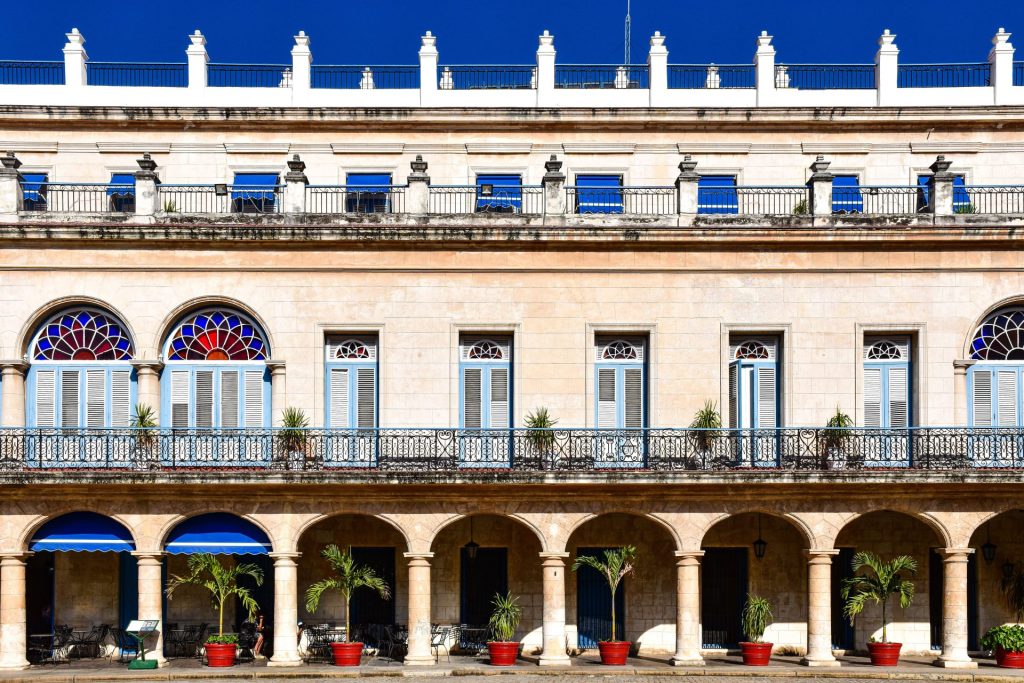

Where Havana breathes: the seawall, the plazas, the cars that refuse to die
The Malecón: Havana’s Living Room
I need to talk about the Malecón separately because it’s not just a place. It’s where Havana actually gathers.
The Malecón is an 8km seawall that runs along the coast. It’s where the city comes to breathe. Where the energy of Havana is most concentrated. Where you understand what the city actually is.
At sunrise, it’s fishermen and locals. During the day, it’s tourists. At sunset, it’s magic. At night, it’s where the city actually lives.
I’ve watched my abuela sit on the Malecón watching the sunset. I’ve watched couples fall in love there. I’ve watched the city process its emotions—joy, sadness, resilience—all on that seawall.
Go at different times. Don’t just do the Instagram sunset shot. Sit there. Watch. Listen. Understand.
Want the best viewpoints and photography timing? Read our complete guide to Havana sunsets.
Food: Where the Real Cuba Eats
Cuban food is having a serious moment with tourists, but most of what you see written about it is wrong. Yes, paladares (private restaurants) are important. Yes, some have gotten fancy.
But the real Cuban food is simpler.
Where locals actually eat:
- Street food stalls: Arroz con pollo (chicken and rice), ropa vieja (shredded beef), moro y cristianos (rice and beans mixed). This is real Cuban food. Cheap. Delicious. Authentic
- Local cafeterias: Where construction workers and taxi drivers eat breakfast. You’ll get massive portions for under $1 USD
- Paladares in neighborhoods, not tourist areas: In Centro Havana, Vedado, residential areas. These are family operations where the food is actually good because the family eats it too
Paladares worth visiting (but go early, they fill up):
- La Guarida: The famous film-set stairs and rooftop views. Yes, it’s touristy. Yes, it’s worth it once. Go early or late to avoid crowds
- Habana 61: Excellent food, reasonable prices, actual Cuban customers
- El Chanchullero: Where tourists and locals eat together. Good sign
Skip: Bodeguita del Medio, Hemingway’s mojito bar. Overpriced, overcrowded, mediocre.
Pro tip: Ask your casa particular owner where they eat. Eat there. You’ll eat better, pay less, and actually support locals.
For the full breakdown of Cuban dishes, street snacks and what to order as a first-timer, read our complete guide to what to eat in Cuba. And if you want to know which dishes define the island, see the 5 most popular Cuban foods.
Havana’s Creative Scene: Where Modern Cuba Lives
Havana’s creative energy is everywhere if you know where to look. This isn’t sanitized for tourists. This is raw.
Fábrica de Arte Cubano (FAC): Spend an entire night here if you can. It’s a repurposed cooking oil factory that’s now a world-class arts space. Art galleries. Independent films. Jazz bands. Electronic music. Sometimes all at the same time. This is where young Havana actually gathers.
San Isidro: Walk through this neighborhood. The street murals literally talk to you. Artists have been transforming this neighborhood. It’s still raw. It’s beautiful.
Street art in Centro Havana: Some of the best street art in Cuba is in Centro Havana, where tourists don’t usually go. Bring a camera. Respect the neighborhood.
Live music: Music happens everywhere in Havana. Don’t pay for a tourist show. Go to a bar where locals are. Ask for live music. You’ll find it.
The Classic Cars: Survival Disguised as Beauty
Those 1950s Chevrolets everyone photographs aren’t just for tourists. Take classic car tours ($31–$52 / CUP 750–CUP 1,249/hr) in restored convertibles.
But understand what you’re actually seeing: these aren’t museum pieces. These are machines kept alive by pure ingenuity because Cubans can’t buy new cars.
Without access to new parts, local mechanics keep these “rolling museums” alive by inventing solutions. It’s improvisation. It’s necessity. It’s beautiful and messy and absolutely Cuban.
When you ride in one, you’re not just experiencing nostalgia. You’re experiencing Cuban survival.
Where to get a tour: Ask your casa particular owner. Don’t use hotel recommendations. You’ll get a better rate and support a driver who actually lives in Havana.
Price: $30-50 USD for an hour. Negotiate if you speak Spanish.

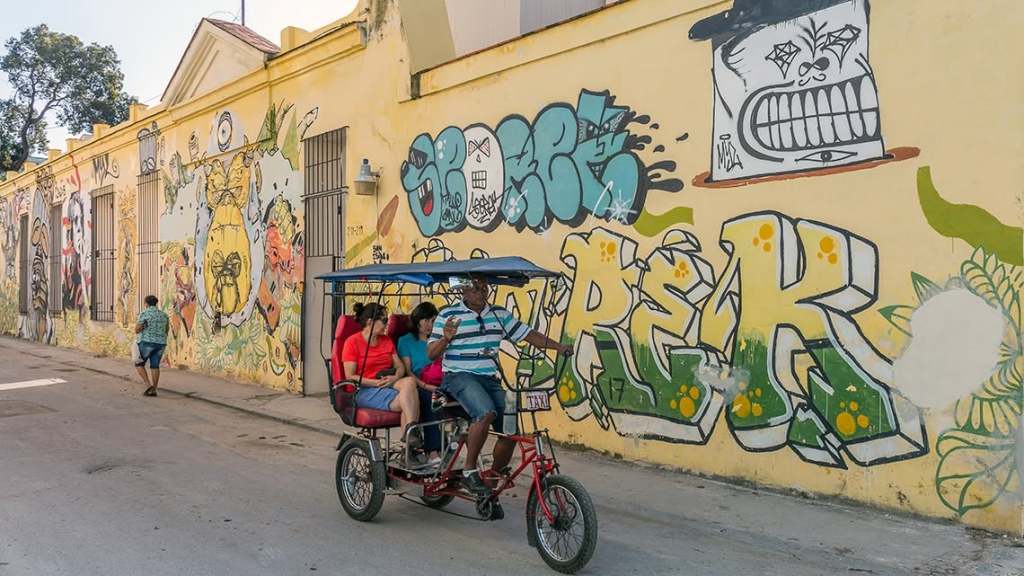
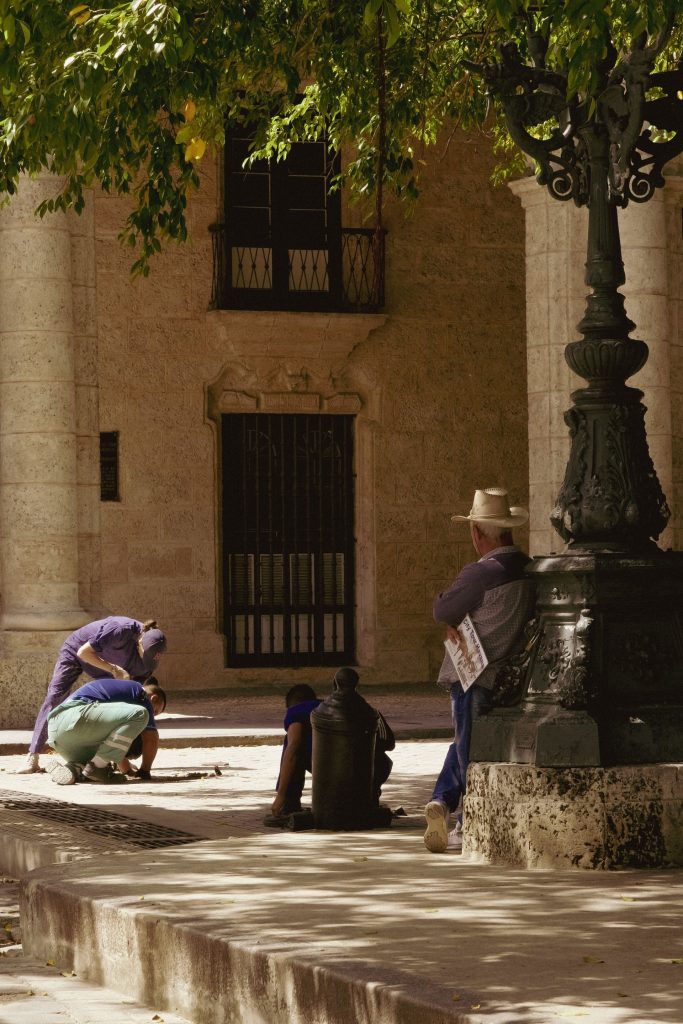
Rooftop bars, backstreet murals, everyday Havana
Playas del Este: Havana’s Best Kept Secret
Skip the crowded resort vibes of Varadero. Just 20 minutes from the city is Playas del Este. This is where locals go when they want the sand and sea without the hype.
El Malecón, Havana’s iconic 8km seawall promenade, hosts nightly gatherings where Habaneros socialize, waves crash over walls, fishermen cast lines, and sunset paints everything gold.
It’s no-frills. It’s pure Caribbean magic. It’s where you’ll see actual Cuban families on the weekend, not tour groups.
How to get there: Take a local bus from the city center (ask your casa particular). It costs less than $1 USD. You’ll ride with locals. You’ll understand the city better.
What to bring: Sunscreen, water, cash. There are few restaurants, so bring snacks.
When to go: Go early on a weekend morning to beat crowds. Go late afternoon for fewer tourists and local families.
The Reality Check: What Havana Actually Feels Like
Havana is beautiful. Havana is also struggling. You’ll see both simultaneously.
You’ll see crumbling buildings next to restored colonial architecture. You’ll see the Malecón with water crashing over a seawall that’s literally breaking. You’ll see people making do with nothing. You’ll see incredible resilience and also exhaustion.
Don’t romanticize this. Don’t treat it as a museum of poverty. These are people living their lives.
Be respectful. Be curious. Be kind. Support locals directly through paladares, casa particulares, and taxi drivers. Don’t treat Cuba like a zoo.
Essential Travel Tips for Your Havana Itinerary
Best Time to Visit: November to April. Dry, warm weather. Hurricane season is over. Fewer blackouts (usually).
Worst Time: June to September. Hot, humid, frequent afternoon thunderstorms. Blackouts are more common.
Currency and Cash: Bring plenty of Euros or USD. American credit cards won’t work. Navigate the informal exchange market (check eltoque.com for rates) to get the best value. Bring enough cash to cover your entire trip. ATMs are unreliable. Full breakdown in our Cuba money and internet guide.
Where to Stay: Forget hotels. Book a casa particular (private homestay) for the real experience, the best home-cooked breakfasts you’ll ever have, and direct support for Cuban families. $30-50 USD per night depending on neighborhood.
Getting Around:
- Taxis: Official taxi desk at the airport (fixed prices). In the city, negotiate with drivers before getting in
- Classic car taxis: $10-15 for short trips in Old Havana, more for longer distances. Always negotiate BEFORE getting in
- Public buses: Where locals travel. Ask your casa owner which bus goes where. Cheap. Authentic. Sometimes chaotic
What to Pack: Comfortable walking shoes (the streets are uneven). A good camera. Sunscreen. A power bank for your phone (WiFi is unreliable). Full list in our Cuba packing guide.
Safety: Havana is safe for tourists in main areas. Use common sense. Don’t flash expensive cameras or jewelry. Don’t walk alone at night in unfamiliar neighborhoods. Full safety breakdown in Is Cuba safe to travel?
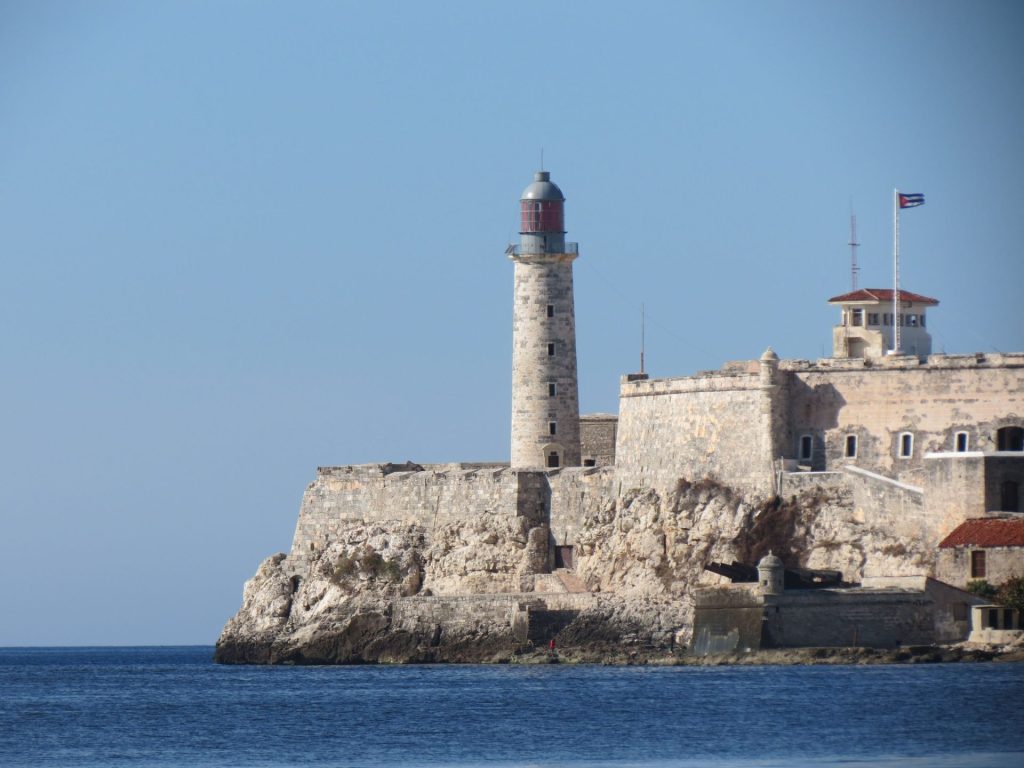


More corners worth wandering
FAQ: The Questions That Actually Matter
How long should I spend in Havana?
Minimum 4-5 days to actually understand the city. A week is better. Two weeks and you’ll start to feel like you know it.
Is Havana safe?
Yes, Havana is safe for tourists in main neighborhoods. Use common sense. Don’t carry expensive items visibly. Don’t walk alone at night in unfamiliar areas. Most violent crime is between locals, not directed at tourists.
Can I use my credit card?
No. Bring cash. USD or EUR preferred. Exchange at informal market rates (check eltoque.com).
What’s the best neighborhood to stay in?
Depends on your style. Old Havana for first-timers and walkability. Centro Havana for authenticity. Vedado for nightlife and culture. Miramar for quiet and space.
Do I need to speak Spanish?
No, but it helps. Many Cubans speak some English, especially in tourist areas. Carrying a translation app helps. Learning basic phrases (por favor, gracias, ¿dónde está?) goes a long way.
What should I absolutely not miss?
The Malecón at sunset. Fábrica de Arte Cubano. At least one meal at a local paladar. Walking through Old Havana at night. Sitting on the Malecón with locals. Understanding that Havana is more than Instagram.
How much should I budget per day?
$50-80 USD if you stay in a casa particular, eat at paladares, and use local transport. You can go cheaper if you eat street food ($1-2 USD meals). You can go more expensive if you want higher-end restaurants and activities.
The Real Talk
Havana doesn’t try to be pretty. It challenges you. It rewards you for being curious.
The city is struggling. The infrastructure is failing. The people are resilient. All of this is true simultaneously.
If you come here looking for a sanitized Caribbean vacation, you’ll be disappointed. If you come here looking for the soul of an island, for real people navigating real struggles, for a city that hasn’t been packaged into a theme park, you’ll find exactly that.
Come to Havana. Walk the Malecón at sunset. Eat food made by someone’s abuela. Talk to locals. Ask questions. Listen more than you speak.
Understand that tourism matters here. Where you spend your money matters. Support families directly. Stay in casas. Eat at paladares. Ride with local drivers.
Come for the vintage cars. Stay for the people.
More Cuba Guides
Planning more of your Cuba trip? These guides cover everything you need:
- Is Cuba Safe to Travel in 2026? — the unfiltered truth on safety, tourist zones, and what to watch out for
- Cuba Packing List — what to bring that you can’t buy on the island
- What to Eat in Cuba — street food guide with prices, safety tips, and where to find authentic Cuban snacks
- 10 Must-See Places in Cuba — beyond Havana: Viñales, Trinidad, Cienfuegos, and more
- Havana Hidden Gems — the backstreets, paladares, and local spots tourists don’t find
- Money & Internet in Cuba — informal exchange rates, SIM cards, and staying connected
- Best Havana Sunsets — top viewpoints, timing, and photography tips
- 7 Things Not to Do in Cuba — mistakes that cost tourists money and peace of mind
- Most Popular Cuban Food — Ropa Vieja, Moros y Cristianos, and the national dishes explained
- Cuban Stereotypes Debunked — the myths vs. the complex reality of Cuban life