If you are wondering what the most popular Cuban food is, start with ropa vieja. It is the dish everyone expects: shredded beef simmered in tomato, peppers, onion and garlic until it gives up every last bit of resistance. But if you stop there, you are only eating the postcard.
Cuban food is not built to impress you in one bite. It is slower than that. It is rice and beans that taste like somebody’s whole childhood. Pork marinated in sour orange and garlic until the room changes. Plantains fried twice because once would be careless. Flan with caramel sliding down the side like it knows exactly what it is doing.
I grew up with this food before I ever saw it on a restaurant menu. Not plated delicately. Not described in elegant little menu language. Cooked in loud kitchens, passed across crowded tables, argued over, protected, repeated.
So yes, this is a guide to the most famous Cuban dishes. But more than that, it is a guide to what to actually order in Cuba, what these dishes mean, and how to recognize the difference between something made for tourists and something made with a real Cuban pulse.
The Quick Answer: What Food Is Cuba Famous For?
The most famous Cuban foods are ropa vieja, lechon asado, moros y cristianos, congrí, tostones, yuca con mojo, arroz con pollo, picadillo, flan, tres leches, and Cuban coffee. These dishes are popular because they show the heart of Cuban cuisine: Spanish, African and Caribbean influences, humble ingredients, slow cooking, strong seasoning and zero interest in being bland.
Cuban food is usually not spicy. It is seasoned. There is a difference. Garlic, cumin, oregano, bay leaf, onion, peppers, sour orange and sofrito do the heavy lifting. Heat is not the shortcut here. Flavor is built slowly.
| Dish | Type | Key ingredient | Try it if… |
|---|---|---|---|
| Ropa Vieja | Main | Shredded beef | You want the national dish |
| Lechón Asado | Main | Roast pork | You love a celebration plate |
| Moros y Cristianos | Rice & beans | Black beans + rice | You want the everyday staple |
| Congrí | Rice & beans | Red beans + rice | You liked moros, want its eastern cousin |
| Tostones | Side | Green plantain | You want the perfect crunchy side |
| Yuca con Mojo | Side | Cassava + garlic | You love garlicky comfort food |
| Picadillo | Main | Ground beef | You want real Cuban home cooking |
| Cuban Seafood | Seafood | Fish & lobster | You want a quiet luxury meal |
| Flan | Dessert | Caramel custard | You want the classic finish |
| Tres Leches | Dessert | Three-milk cake | You have a serious sweet tooth |
| Cuban Coffee | Drink | Espresso | You need a small, strong pick-me-up |
1. Ropa Vieja: Cuba’s National Dish
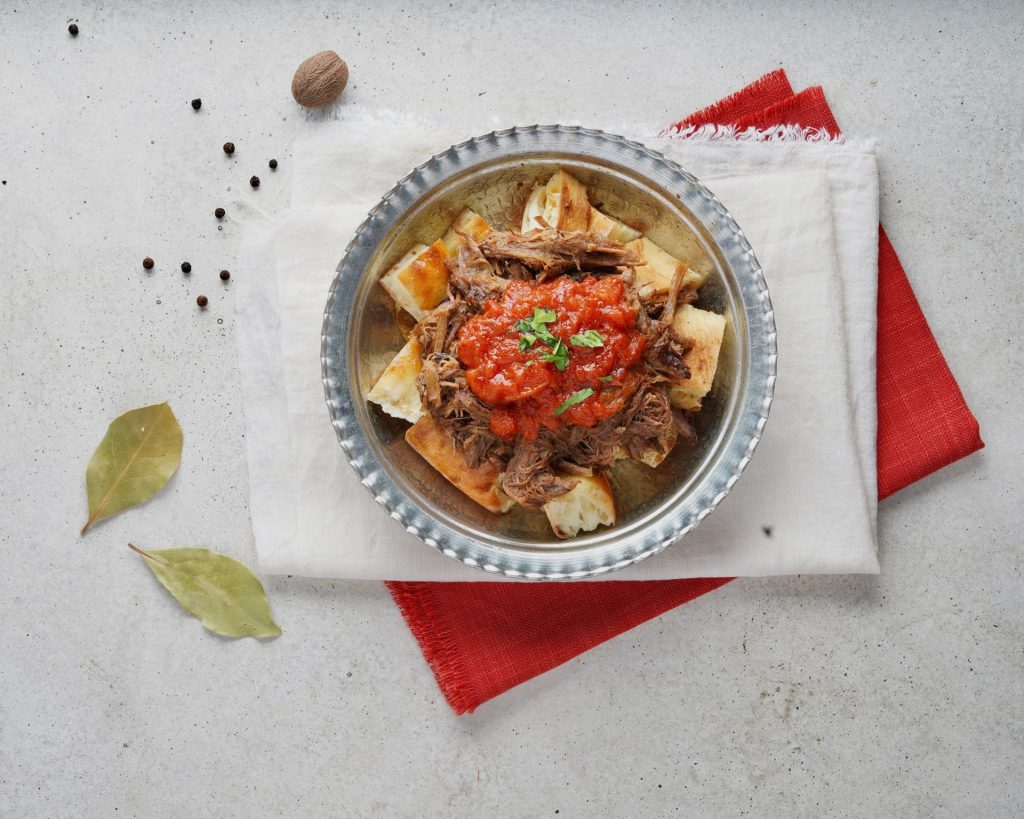
Ropa vieja is the dish people think of first when they think of traditional Cuban food. The name means “old clothes”, which sounds deeply unglamorous until you see the meat: long, soft shreds of beef tangled with peppers and tomato sauce, like fabric pulled apart by hand.
It is usually made with flank steak or another cut that needs time. The beef is cooked until it falls apart, then simmered with sofrito, tomato, bell pepper, onion, garlic and spices. The result is rich, savory and almost impossible to rush.
You will usually see it served with white rice, black beans and fried plantains. That is the classic plate. No foam. No performance. Just one of the great comfort foods of the Caribbean, sitting there like it has nothing to prove.
2. Lechon Asado: Roast Pork With Serious Main Character Energy

ing else.
If ropa vieja is the national icon, lechon asado is the celebration.
This is roast pork marinated in mojo, the Cuban sauce made with sour orange, garlic, oregano and oil. In the most traditional version, it is a whole pig cooked slowly until the meat is soft and the skin turns crisp. In restaurants and paladares, you will more often get a cut of pork prepared in the same spirit.
The best lechon has contrast. Juicy meat. Sharp citrus. Garlic that announces itself. Edges that are browned and a little dangerous. And if there is cuerito, the crispy pork skin, understand that people may become emotional. Families have fought quieter wars over less.
3. Moros y Cristianos: Black Beans and Rice, But Make It History
Moros y Cristianos is one of the foundations of Cuban cuisine: black beans and white rice, often cooked separately and served together. The name refers to “Moors and Christians”, with the black beans as moros and the white rice as cristianos.
It is simple in theory. In practice, it is one of those dishes that reveals everything about the cook. The beans need flavor. The rice needs structure. The seasoning has to sit inside the dish, not shout over it.
You will see some version of rice and beans everywhere in Cuba. Do not treat it like filler. In Cuban food, the side dishes are not decorative. They are architecture.
4. Congri: The Other Rice and Beans You Need to Know
Congri is often confused with moros y cristianos, and honestly, Cubans themselves will argue about the terms depending on the region, the family and the level of confidence in the room.
The practical difference: congrí is usually rice cooked directly with beans and bean broth, so the grains absorb the flavor as they cook. In eastern Cuba, congrí is often made with red beans. In other places, people use the name more loosely.
This is the kind of dish that seems basic until it is excellent. Then you understand why nobody feels the need to dress it up.
5. Tostones: Fried Green Plantains Done Properly

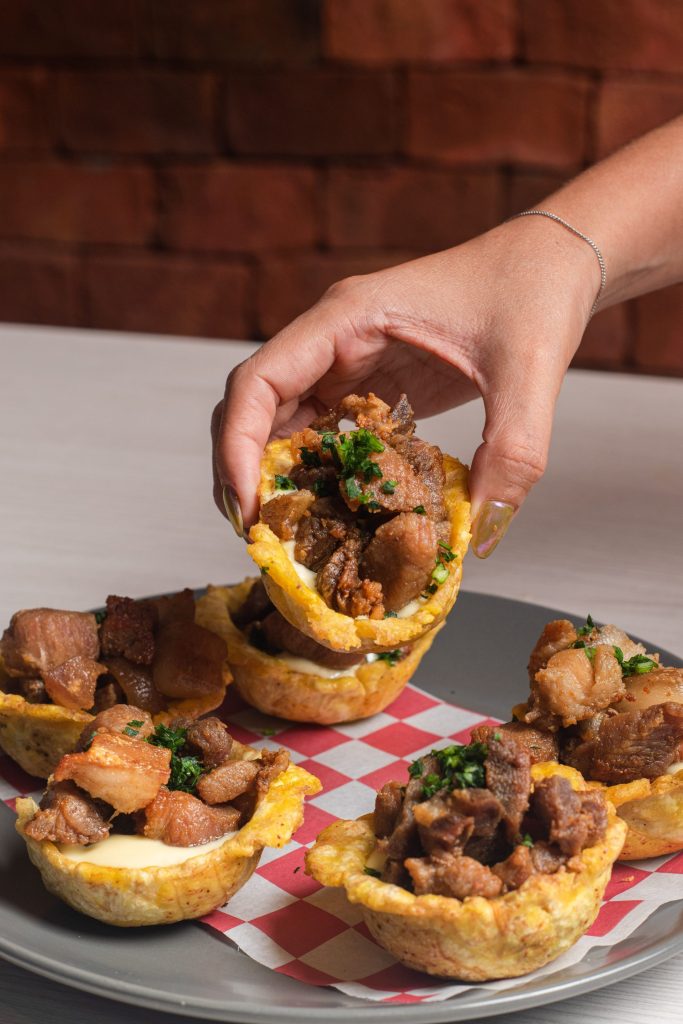
Tostones are slices of green plantain that are fried, smashed flat, then fried again. That second fry is not optional. It is the point.
Good tostones are crisp on the outside, soft inside and salted while hot. Sometimes they come with garlic oil or a dipping sauce, but they do not need much. When they are done right, they are addictive in the cleanest, most direct way.
This is where Cuban food gets tactile. You pick one up with your hands. It snaps. It disappears. You immediately understand why a plate of tostones never lasts long.
6. Yuca Con Mojo: The Side Dish That Steals the Table
Yuca, also called cassava, is a starchy root vegetable. Boiled on its own, it is mild and quiet. Then mojo arrives and everything changes.
Mojo is usually made with garlic, sour orange or lime, oil and salt. Poured hot over soft yuca, it becomes sharp, rich, fragrant and completely irresistible. This is Cuban cooking at its most confident: a few ingredients, handled properly, no need to over-explain.
Yuca con mojo is especially common around holidays and family meals, but you will also find it in restaurants. When it is good, it makes you question why potatoes get so much global attention.
7. Picadillo: Cuban Home Cooking in One Pan
Picadillo is minced beef cooked with tomato, onion, garlic, peppers and spices. Many Cuban versions include olives and raisins, which sounds controversial until you taste the balance: salty, sweet, savory, soft, sharp.
This is not usually the grand restaurant dish. It is home food. Weeknight food. The kind of thing served with white rice and fried plantains when nobody is trying to impress anyone and somehow that is exactly why it works.
Picadillo is one of the best Cuban dishes to try if you want to understand everyday cooking, not just celebration cooking.
8. Cuban Seafood: The Quiet Luxury Move
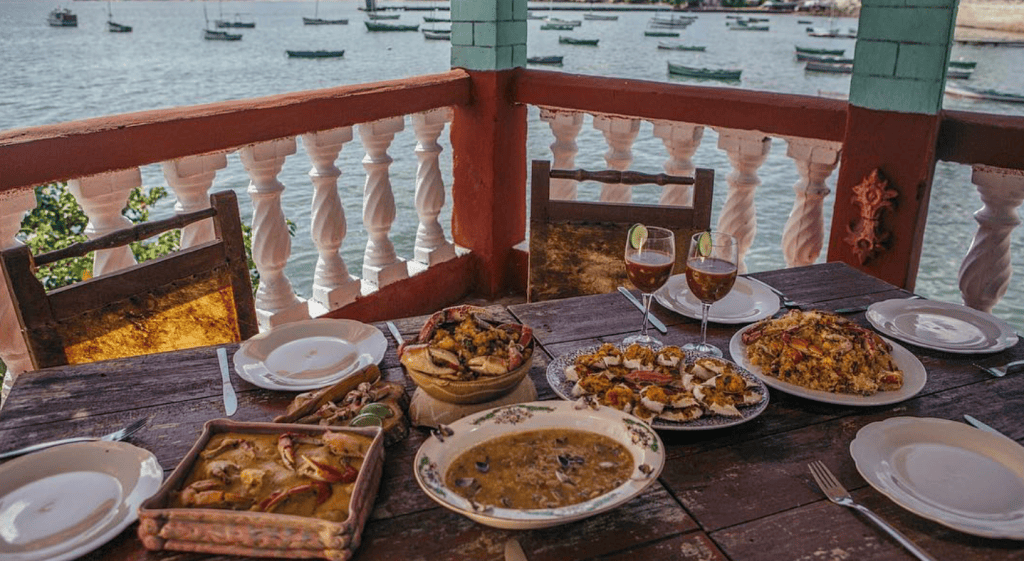
Here is the thing I want tourists to understand: Cuba is an island. The Caribbean is right there. If you only order beef and pork, you are missing one of the best parts of eating in Cuba.
Fresh fish, grilled lobster, camarones enchilados, octopus, snapper with garlic, shrimp in tomato sauce. These dishes may not get the same fame as ropa vieja, but they often deliver the meal you remember later.
Cuban seafood is not usually complicated. It does not need to be. Fresh fish, garlic, lime, a little oil, a hot pan or grill. That is luxury without the costume.
9. Flan: The Cuban Dessert That Never Leaves the Party
Flan is everywhere in Cuba: restaurants, homes, birthdays, Sunday lunches, family gatherings where someone insists they are “too full” and then eats half a slice anyway.
It is made with eggs, milk and sugar, with caramel on top. The texture should be smooth, creamy and just firm enough to hold its shape. The caramel should taste deep, not burned, with that bittersweet edge that keeps the dessert from becoming too polite.
Every family has a theory. Condensed milk. Evaporated milk. Vanilla. The perfect water bath. The right mold. The right patience. The truth is, the best flan usually tastes like someone has made it a hundred times and still cares.
10. Tres Leches: Soft, Sweet, Completely Unreasonable
Tres leches is a sponge cake soaked in three kinds of milk, usually evaporated milk, condensed milk and cream. It sounds like it should be too much. It is not, when made correctly.
The best tres leches is cold, soft and soaked through without collapsing into sadness. It should feel indulgent but still light. That is the trick. Bad tres leches is heavy and wet. Good tres leches is decadent and somehow elegant.
It is not only Cuban, but you will find it across Cuban restaurants and bakeries, and when it is done well, it absolutely earns its place.
11. Cuban Coffee: Small Cup, Big Attitude
Cuban coffee is not background. It is a ritual.
Cafe Cubano is strong espresso sweetened with sugar, often whipped into a little foam called espumita. It is tiny, intense and not interested in your oat milk feelings. Then there is cortadito, espresso cut with steamed milk, and cafe con leche, usually served with hot milk and Cuban bread for breakfast.
If you want to understand Cuban pace, drink coffee with locals. It is quick, social, dramatic and somehow essential to everything.
What Makes Cuban Food Different?
Cuban cuisine is shaped by Spanish, African and Caribbean influences, with ingredients and techniques that arrived through colonization, migration, slavery, scarcity and adaptation. That history matters because Cuban food is not a polished restaurant invention. It is survival, memory and pleasure in the same pot.
The core flavors are garlic, onion, cumin, oregano, bay leaf, citrus and sofrito. The core ingredients are rice, beans, pork, beef, chicken, yuca, plantains and seafood. The core method is patience.
That is why the best Cuban food rarely feels flashy. It feels lived in.
Is Cuban Food Spicy?
No, Cuban food is not usually spicy. This is one of the biggest misconceptions.
Cuban food is flavorful, but not hot in the way Mexican, Thai or some Caribbean cuisines can be. The power comes from seasoning, slow cooking, marinades and sauces. Garlic matters. Sour orange matters. Cumin matters. Sofrito matters.
If a Cuban dish tastes bland, it was not made well. But if it burns your face off, it probably is not especially traditional either.
Where to Eat the Best Cuban Food in Cuba
For the best Cuban food in Cuba, eat at paladares, which are privately run restaurants, and say yes if you ever get invited to eat in someone’s home. Home cooking is where Cuban food becomes itself.
Tourist restaurants can be fine, but they often flatten the food. They make it cleaner, safer, more predictable. A good paladar keeps the soul but brings more care to the ingredients, setting and service.
The real trick is to ask locals where they eat when they are not performing hospitality. That answer is worth more than any laminated menu outside a restaurant.
🍽️ Not sure what to order?
If you eat everything
Start with ropa vieja, lechón asado and tostones — the holy trinity of a first Cuban meal.
If you’re vegetarian
Moros y cristianos or congrí with yuca con mojo and a pile of tostones will keep you full and happy.
If you have a sweet tooth
Finish with flan or tres leches and a tiny, lethal cup of Cuban coffee.
What to Order for Your First Cuban Meal
If it is your first time eating Cuban food, order this:
- Ropa vieja or lechon asado
- Moros y cristianos or congrí
- Tostones
- Yuca con mojo
- Flan
- Cuban coffee
That plate will teach you the basics: slow meat, rice and beans, plantains, garlic, citrus, sugar, coffee. It is the Cuban food syllabus, and it is more enjoyable than any class has a right to be.
FAQ: Popular Cuban Food
What is the most popular food in Cuba?
Ropa vieja is usually considered the most popular and famous Cuban dish. It is shredded beef cooked in tomato, peppers, onion, garlic and spices, usually served with rice, beans and plantains.
What is Cuba’s national dish?
Cuba’s national dish is ropa vieja. The dish has Spanish roots and became one of the defining plates of Cuban cuisine, especially when served with rice and black beans.
What should I eat in Cuba for the first time?
For a first Cuban meal, order ropa vieja or lechon asado with moros y cristianos, tostones, yuca con mojo, flan and Cuban coffee. That gives you the clearest introduction to traditional Cuban flavors.
Is Cuban food spicy?
Cuban food is usually not spicy. It is seasoned with garlic, onion, cumin, oregano, bay leaf, peppers, citrus and sofrito. The flavor is deep and savory rather than hot.
What are traditional Cuban side dishes?
The most traditional Cuban side dishes include moros y cristianos, congrí, white rice, black beans, tostones, maduros and yuca con mojo. These sides are central to the meal, not an afterthought.
What dessert is Cuba known for?
Cuba is known for flan, arroz con leche, tres leches, dulce de leche-style sweets, guava pastries and desserts made with coconut or tropical fruit. Flan is the classic Cuban dessert you will see most often.
What drink goes with Cuban food?
Cold beer, mojitos, Cuba Libre, fresh juice and Cuban coffee all pair well with Cuban food. For a traditional meal, beer with the main course and Cuban coffee after dessert is a very strong move.
Can you make authentic Cuban food at home?
Yes. Most Cuban food uses accessible ingredients: rice, beans, pork, beef, chicken, garlic, onion, citrus, cumin, oregano and plantains. The secret is not rare ingredients. It is time, seasoning and technique.
Final Bite
Cuban food does not need to shout. It knows what it is.
It is not precious. It is not minimalist. It is not chasing trends. It is a cuisine built from memory, necessity, heat, patience and the kind of love that shows up as a second plate before you have even finished the first.
So yes, eat the ropa vieja. Order the lechon. Take the tostones seriously. Do not ignore the seafood. Finish with flan and coffee.
And if someone tells you their grandmother makes the best version of any dish on this list, believe them. Or at least be smart enough not to argue until after dessert.
FAQ: Questions About Cuban Food
What is the official national dish of Cuba?
Ropa Vieja. It’s recognized officially because of its history, its popularity, and because it represents exactly what Cuban cuisine is—a mix of cultures, simple ingredients, and deep flavor. But honestly, it’s also the national dish because every Cuban family eats it and claims theirs is the best version.
Is authentic Cuban food actually spicy?
No. This is a common myth, and it frustrates me every time I hear it. Cuban food is well-seasoned. Garlic, onion, cumin, oregano, sweet peppers. We build flavor through these things. We don’t use heat as a shortcut. We use “sazón”—that untranslatable thing that means proper seasoning, proper technique, proper respect for the food. Heat is easy. Real flavor takes time.
What drink should I have with Cuban food?
Cold beer is the honest answer. But if you want something more Cuban, a mojito is classic. The thing is, it doesn’t matter what you drink as long as you’re not drinking alone. Cuban food is meant to be social.
Can I make authentic Cuban food at home?
Yes. Most Cuban dishes are actually simple. Rice, beans, slow-cooked meat, proper seasoning. The secret isn’t exotic ingredients. It’s time and technique. It’s understanding that these dishes were created out of necessity—using what was available and making it taste like something worth eating. If you respect that history, you can make it work.
Where should I eat Cuban food when I’m in Cuba?
At someone’s home, if you can. That’s where real Cuban food lives. If you’re eating at restaurants, go to paladares, not tourist spots. And don’t be afraid to ask locals where they eat. That’s always the answer.