Every “best restaurants in Rome” guide reads the same way. Carbonara, the Trevi Fountain, a waiter in a bow tie holding up a giant pepper grinder, a “hidden gem” that’s been on every listicle since 2014. You’ve read it a hundred times before you’ve even landed.

Here’s what nobody tells you: most of those guides were written by someone who ate wherever was closest to the Colosseum and called it research. That’s not a restaurant guide. That’s a liability waiver dressed up as journalism.
I’m not doing that. This is where you actually eat in Rome — checked against what people who’ve spent over a decade eating their way through this city are actually saying right now, not just whatever ranks highest on a booking platform. Some of it will cost you. Some of it will cost you almost nothing but a wobbly plastic table and a long wait. All of it is real, and I’ll tell you honestly when something touristy is still worth it — and when it isn’t.
Quick Answer: Best Restaurants in Rome
The best restaurants in Rome are usually away from the obvious monument views: Armando al Pantheon for a classic that still earns its reputation, Da Enzo al 29 for a properly Roman Trastevere meal, Cesare al Casaletto for the tram-ride trattoria experience, Pizzeria Da Remo for Roman pizza in Testaccio, Santo Palato for the new-school trattoria wave, and La Pergola if you want the city’s serious Michelin splurge.
- Best classic trattoria: Armando al Pantheon
- Best local-feeling meal: Cesare al Casaletto
- Best Roman pizza: Pizzeria Da Remo
- Best modern Roman cooking: Santo Palato or Trattoria Pennestri
- Best special occasion: La Pergola
Use this guide as a filter, not a trophy list: book ahead when a restaurant takes reservations, show up early when it doesn’t, and be suspicious of any menu that seems built for everyone walking past the Trevi Fountain.
| Restaurant | Best for | Neighborhood | What to order | Booking tip |
|---|---|---|---|---|
| Armando al Pantheon | Classic Roman trattoria | Pantheon | Spaghetti alla gricia, seasonal Roman dishes | Book about a month ahead |
| Da Enzo al 29 | Characterful casual dinner | Trastevere | Carbonara, meatballs, artichokes | No reservations; arrive before opening |
| Cesare al Casaletto | Food-first local meal | Monteverde/Casaletto | Fried gnocchi cacio e pepe, tripe, oxtail | Reserve and take tram 8 |
| Pizzeria Da Remo | Thin Roman pizza | Testaccio | Suppli, potato croquettes, classic pizza | Evening only; go early |
| Santo Palato | Neo-trattoria cooking | Appio-Latino | Offal, seasonal Roman plates | Reserve ahead |
| La Pergola | Michelin-star splurge | Monte Mario | Tasting menu | Book well in advance |
For planning beyond dinner, keep House of Routes open for more food-first travel ideas: the best night market food in Southeast Asia, the best time to visit Southeast Asia, the Havana travel guide, why visit Havana, and the broader House of Routes travel blog all follow the same anti-tourist-trap logic.
The View Tax Is Real

Any honest guide to the best restaurants in Rome has to start with the bad news, because you need to hear it before you book anything.
If a restaurant has a clear, unobstructed view of the Pantheon or the Trevi Fountain, you are paying for that view, not the food. This isn’t a hot take — it’s the first piece of advice from Rome-based food writers who’ve spent years watching the same restaurants survive entirely on foot traffic and photo ops. Walk two or three streets in any direction and the prices drop, the quality goes up, and the staff stop treating you like a transaction.
The same goes for anything that’s gone viral on TikTok with a line of a hundred-plus people outside. You don’t need to spend two hours queuing to eat well in Rome. That line isn’t proof of quality — it’s proof of an algorithm.
The Honest Truth About Armando al Pantheon
I have to start here, the same way I’d have to start a Barcelona piece with Cal Pep, because every guide mentions Armando al Pantheon and most of them either oversell it as an untouched secret or dismiss it as a tourist trap. Neither is honest.
Armando al Pantheon sits, as the name suggests, a few steps from one of Rome’s most photographed monuments — exactly the kind of location that should be a red flag. But this family-run trattoria has been serving proper Roman comfort food for more than fifty years, and the family that founded it is still the family running it. Long-time Rome food writers who’ve eaten their way through the city for over a decade still go back for the spaghetti alla gricia — guanciale, black pepper, Pecorino Romano, nothing else — and for seasonal offal dishes like pajata alla piastra if you’re feeling brave. Online bookings open a month in advance and disappear fast, which tells you something real: the people booking aren’t all tourists who stumbled past it.
So: yes, it’s two minutes from the Pantheon. Yes, it’s been on every list for years. It’s also still genuinely good, run by people who actually care, and those two facts aren’t in conflict here. Book a month out if you can.
Trattorias Worth Crossing Town For


This is where the best restaurants in Rome actually start to show up — not at the places with a view, but at the ones a tram ride or a short walk from the centro.
Da Enzo al 29, tucked on a quieter Trastevere street, is one of the most genuinely characterful trattorias left in the neighborhood. No reservations — show up thirty minutes before opening or you’re in for a long wait — but the carbonara, the meatballs, the braised artichokes, all land. It feels less like a restaurant and more like sitting down at someone’s family table, because that’s essentially what it is.
Cesare al Casaletto, out at the end of the number 8 tram line, is the kind of place Rome’s own food writers and chefs go on their day off. The fried gnocchi served over a melted cacio e pepe sauce is the dish to order, and don’t shy away from the Roman tripe and oxtail if you’re curious — it’s about as close to perfect as that dish gets in this city. The trip out is part of the experience: you’ll pass through a residential stretch of Trastevere that most visitors never see, and the restaurant is genuinely beloved by both locals and the city’s food media, not one at the expense of the other.
Santo Palato, in the residential Appio-Latino neighborhood, is run by a chef who built her reputation in fine-dining kitchens before turning to soulful, properly executed trattoria food — and it shows. Offal is the specialty here, treated with real technique rather than novelty. The wine cellar runs to roughly 800 bottles, which is a serious number for a neighborhood spot. Book ahead; this one fills up.
Pizza, Done the Roman Way

No list of the best restaurants in Rome works without pizza. Roman pizza is a different animal from Neapolitan — thinner, crisper, often verging on cracker-like at the edges — and the best of it isn’t found anywhere near the centro.
Pizzeria Da Remo, in Testaccio, is Rome distilled into a restaurant: gritty, no-frills, brusque-but-friendly service, paper-thin pizza with charred edges. It only opens in the evenings, doesn’t take reservations, and fills up fast — get there early and grab a drink nearby while you wait. Start with the supplì or potato croquettes if there’s a wait for your table; they’re worth it on their own.
Seu Pizza Illuminati, also in the Testaccio/Trastevere area, takes the opposite aesthetic approach — contemporary, neon-lit, genuinely creative with toppings that range from classic Margherita to combinations involving licorice or togarashi. It’s popular enough now that it’s everyone’s favorite pizzeria in the city, so book ahead. Save room for the dessert pizzas.
The Neo-Trattoria Wave
A newer generation of Roman cooking belongs in any serious best restaurants in Rome shortlist: places that respect the classics without being trapped by them.
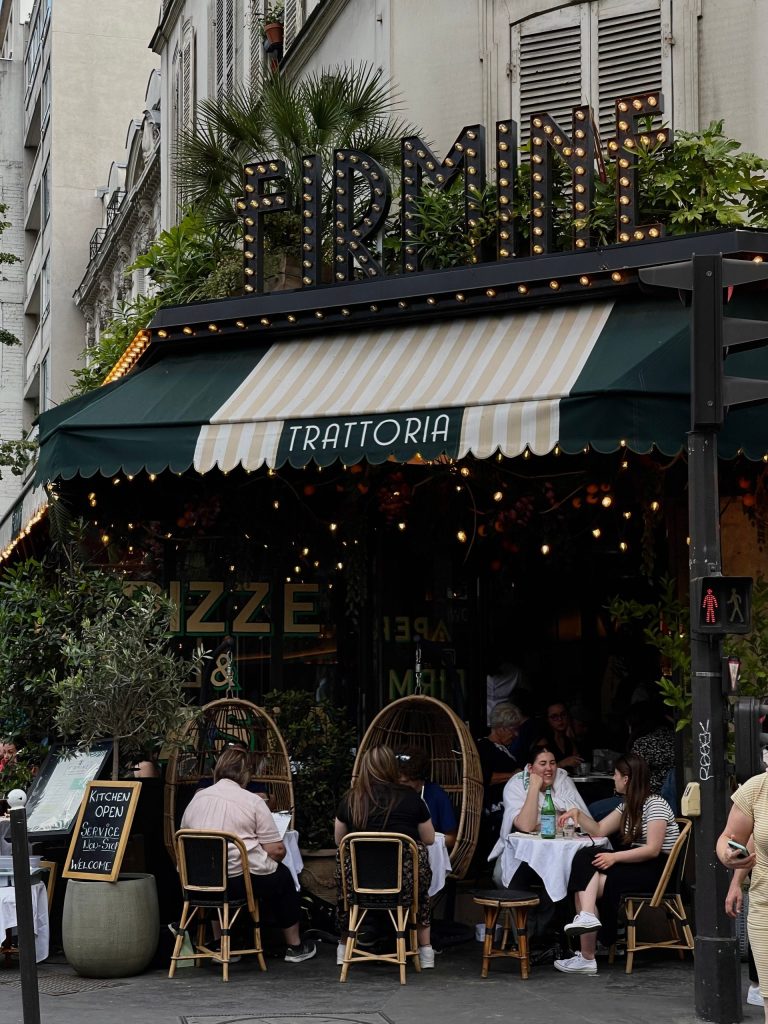
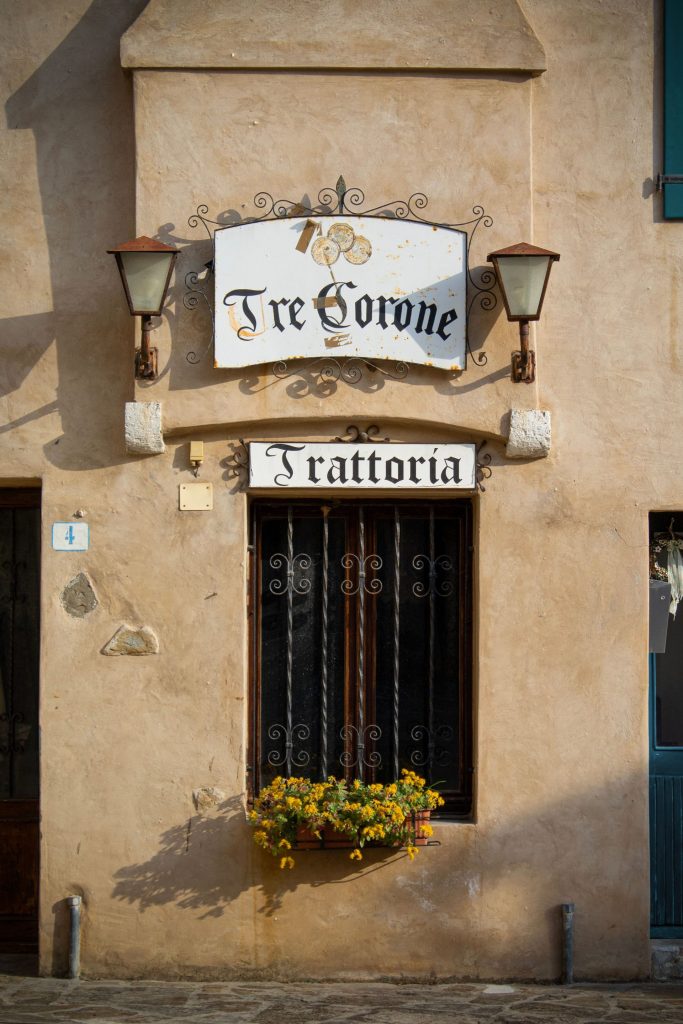
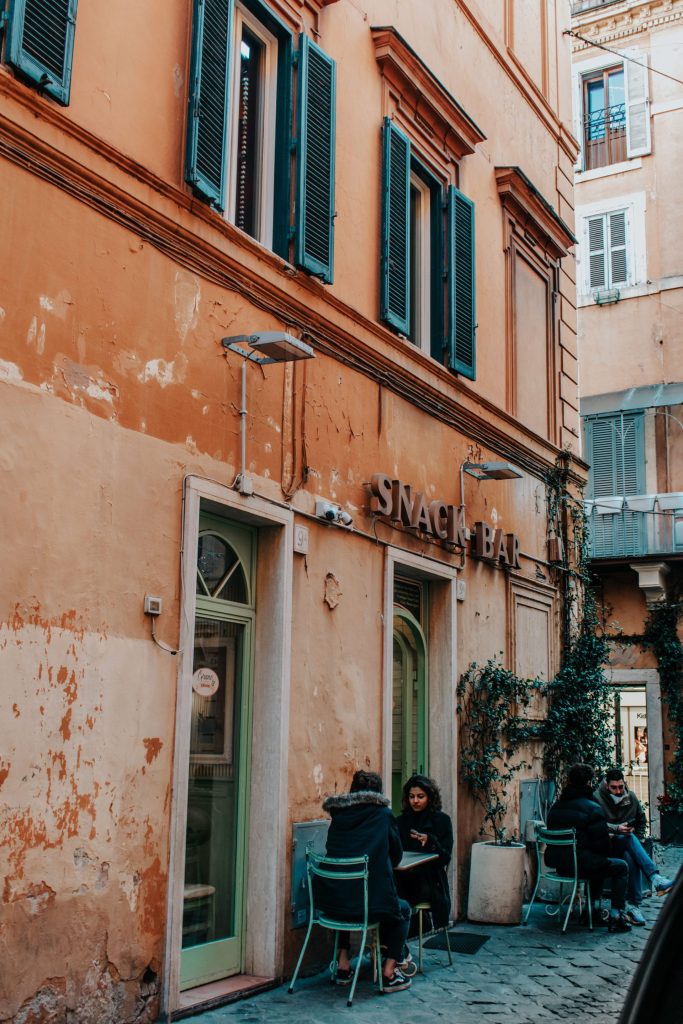
Romanè, near the Vatican, was founded by Stefano Callegari, the same person behind the well-known Trapizzino concept, and it puts a contemporary spin on Roman dishes without losing the plot — try the fried meatball-style polpette di bollito, or the fettuccine al tortellino with prosciutto, mortadella, and Parmigiano. It’s well regarded by Rome-based food writers as one of the better neo-trattorias serving honest classics with clever, not gimmicky, twists. Good stop before or after the Vatican Museums.
Trattoria Pennestri, a little further out, leans rustic-but-refined, with a seasonal menu and a genuinely excellent by-the-glass wine list. Save room for the sweet-and-salty chocolate mousse with Sardinian flatbread and rosemary — it’s one of the better desserts in the city, and not the kind of thing you’ll find at a place coasting on its postcard view.
When You Want the Full Production
The best restaurants in Rome are not only trattorias. The city’s Michelin scene doesn’t get talked about as much, but it’s real, and it’s currently expanding.
La Pergola, at the Rome Cavalieri, holds three Michelin stars under chef Heinz Beck — the only three-star restaurant in the city. The views over Rome are spectacular, but the cooking is the actual reason it’s held the distinction for as long as it has. If you’re going to splurge once in this city, this is the place that justifies it.
Enoteca La Torre, set inside Anna Venturini Fendi’s Villa Laetitia, holds two Michelin stars under chef Domenico Stile, who brings Southern Italian ingredients — buffalo milk cheeses, Sorrento lemons, fresh fish — into a setting that genuinely earns the words “la dolce vita.” Visit at lunch if you can; the dining room is worth seeing in daylight. The seven-course surprise tasting menu is the move if you want the kitchen to make every decision for you.
Moma, near the US Embassy, holds one Michelin star and draws a business-lunch crowd that knows exactly what it’s there for: thoughtful reinterpretations of Roman classics alongside more modern plates, all plated with real care. The lunch tasting menu is the more reasonable entry point into this level of cooking if the full evening price tag feels steep.
Worth the hype? Yes, on all three. Worth the price? Only if you go in understanding what you’re paying for — not just the food, but the years of consistency behind every plate.
A Few Honest Trade-Offs


Here’s the thing about choosing from the best restaurants in Rome: every decision is a trade-off, and pretending otherwise is how you end up disappointed.
Eat near the major monuments and you’ll get convenience, a view, and mediocrity. Eat in Testaccio, out past Trastevere’s main strip, or near the Vatican in Cipro, and you’ll get better food, fewer photos for your feed, and the occasional fifteen-minute wait standing on a street corner. That second version is better. It’s also slightly less convenient. Decide which one you actually want before you book, because in this city, you rarely get both at once.
Same goes for the Armando al Pantheon question specifically: it’s two minutes from a major monument, and it’s also still genuinely run with care by the family that built it. Anyone telling you it’s “ruined by tourists” and anyone telling you it’s “an untouched local secret” are both selling you a simpler story than the truth.
What to Actually Order


A few dishes that separate the people who understand Roman food from the people just working through a checklist:
Cacio e pepe — pasta, Pecorino Romano, black pepper, nothing else. It sounds like nothing. Done right, tossed tableside, it’s one of the most technically demanding “simple” dishes in Italian cooking, because the sauce will seize into a clump if the temperature or timing is off by seconds.
Carbonara — guanciale, egg, Pecorino, black pepper. No cream, ever, despite what half the menus aimed at tourists will tell you. If a place adds cream, that’s the first sign they’re cooking for an idea of Italian food rather than the real thing.
Spaghetti alla gricia — the dish carbonara is built on top of: guanciale, Pecorino, black pepper, no egg. Order it at a proper trattoria and you’ll understand the whole family of Roman pasta dishes a lot better.
Carciofi alla giudia — Jewish-Roman fried artichokes, flattened and crisped until the outer leaves shatter like a chip. Found most reliably in the old Jewish Ghetto neighborhood, where this style of cooking actually comes from.
Supplì — fried, breaded rice balls, usually with a molten mozzarella center. The Roman answer to the Sicilian arancino, and the correct thing to order while you wait for a table anywhere that’s worth waiting for.
How Much to Budget for Restaurants in Rome
You can eat well in Rome on almost any budget, and the best restaurants in Rome are not always the expensive ones. The trick is matching the meal to the moment. A suppli, slice of pizza al taglio, or market lunch can be cheap and excellent. A proper trattoria dinner costs more, especially once wine and secondi enter the chat. Michelin dining is a separate category entirely.
| Meal type | Realistic budget | Best use |
|---|---|---|
| Pizza al taglio, suppli, bakery stop | €5-€12 | Quick lunch, pre-dinner snack, market grazing |
| Casual trattoria meal | €25-€45 per person | Pasta, side, house wine, maybe dessert |
| Modern trattoria or popular dinner booking | €45-€80 per person | Better wine, seasonal plates, shared starters |
| Michelin tasting menu | €120+ per person | Special occasion, full-production dinner |
Prices move, menus change, and Rome has never been shy about seasonal swings, so treat these as planning ranges rather than promises. For high-end meals, cross-check the restaurant’s own site or the official Michelin Guide Rome listings before you reserve.
Common Mistakes First-Time Visitors Make
- Booking for the view instead of the kitchen. A fountain-facing table is rarely where Rome does its best cooking.
- Trusting massive review counts blindly. Popular with everyone walking past is not the same as good.
- Eating too early. Dinner at 6pm usually puts you in tourist-menu territory; aim later when you can.
- Ignoring neighborhoods. Testaccio, Appio-Latino, Monteverde, Cipro, and the outer edges of Trastevere are worth the extra ride.
- Ordering the safe dish everywhere. If the kitchen is known for gricia, pajata, suppli, or artichokes, that is your clue.
A Simple One-Day Rome Food Itinerary
Start with coffee and something sweet near wherever you’re staying, then keep lunch casual: Testaccio market, pizza al taglio, or a suppli stop will teach you more about everyday Rome than a white-tablecloth lunch beside a monument. Save the reservation for dinner. If it is your first trip, make that dinner Armando, Cesare, Santo Palato, Da Enzo, or Pennestri depending on what you could actually book.
If you want to build the day around neighborhoods, do Testaccio for lunch and Trastevere or Monteverde for dinner. If you are already near the Vatican, Cipro and Prati are better bets than eating directly outside the museum exits. And if a restaurant’s menu is translated into five languages with photos of every dish, keep walking.
How to Actually Eat Well Here
A few things that will save you more than any list of the best restaurants in Rome:
Reservations matter, especially in high season. Summer, national holidays, any weekend — book ahead wherever you can. The places that don’t take reservations (Da Enzo, Da Remo) expect you to show up early instead.
Skip the viral line. If a place has gone viral on TikTok and there’s a line of a hundred-plus people, that’s not a signal of quality. It’s a signal that you’ll spend two hours standing on a sidewalk for a meal you could have had better, faster, and cheaper two streets over.
Testaccio, Trastevere’s outer edges, and the Cipro area near the Vatican are where locals actually eat. Not because the centro is fake, but because rent and tourist foot traffic shape menus, and these neighborhoods have less of both.
Order what the kitchen is known for, not what’s familiar. If a trattoria has a dish it’s been making the same way for fifty years, that’s the one to order — not the safest-sounding item on the menu.
Related Reading for Food-First Travelers
If this best restaurants in Rome guide is part of a bigger trip-planning session, keep the same filter for the rest of your route: avoid places built only around photo ops, follow neighborhoods, and let food lead the day. The best restaurants in Rome reward that approach, and so do the best food cities almost anywhere.
- Best night market food in Southeast Asia
- Best time to visit Southeast Asia
- Havana travel guide
- Why visit Havana
- More House of Routes travel guides
FAQ: Best Restaurants in Rome
What is the best restaurant in Rome for classic Roman food?
Armando al Pantheon is the cleanest answer if you want a classic Roman trattoria that is central, historic, and still serious about the cooking. Cesare al Casaletto is the better answer if you care less about convenience and more about eating where Rome locals and food writers still send people.
Where should first-time visitors eat in Rome?
First-time visitors searching for the best restaurants in Rome should try one classic trattoria, one Roman pizza place, and one casual market or suppli stop. A strong first-trip mix would be Armando al Pantheon, Pizzeria Da Remo, and a Testaccio lunch, with Santo Palato or Trattoria Pennestri if you want something more contemporary.
Do you need restaurant reservations in Rome?
Yes, for most of the better-known trattorias, neo-trattorias, and Michelin restaurants, reservations matter. Some casual legends, including Da Enzo al 29 and Pizzeria Da Remo, do not work that way; for those, arriving before opening is usually the better strategy.
What food is Rome known for?
Rome is known for carbonara, cacio e pepe, spaghetti alla gricia, amatriciana, carciofi alla giudia, suppli, Roman-style pizza, oxtail, tripe, and other quinto quarto dishes. The best restaurants in Rome usually have a point of view on at least one of those dishes.
What Rome neighborhoods are best for restaurants?
Many of the best restaurants in Rome sit in Testaccio, Trastevere beyond the busiest lanes, Monteverde, Appio-Latino, Cipro, Prati, and parts of the Jewish Ghetto. These are all useful areas for eating well. The historic center has good restaurants too, but you need to be much more selective around the Pantheon, Trevi Fountain, and Colosseum.
Are restaurants near the Pantheon and Trevi Fountain bad?
Not automatically. Armando al Pantheon proves that a central restaurant can still be excellent. But as a rule, the closer the table is to a famous view, the harder you should look at the menu, the cooking, and whether the place survives on regulars or foot traffic.
The Bottom Line
Rome’s food scene doesn’t need you to discover it. It’s been doing this since long before anyone wrote a list about it. What it needs is for you to actually pay attention — to skip the restaurant with the view of the fountain, to be honest about which “tourist trap” classics are actually still worth it, and to take the tram one stop further than feels necessary.
The best restaurants in Rome are useful, but the best meal you’ll have here probably won’t be the one with the Michelin star, although that one will be memorable too. It might be standing outside a pizzeria in Testaccio with a fried supplì in one hand, waiting for a table you can’t reserve, next to someone who’s lived three streets away their whole life and isn’t in any hurry at all.
That’s not a missed photo opportunity. That’s Rome actually letting you in.