There is no single best time to visit Southeast Asia.
The best month depends on whether you are heading to mainland destinations like Thailand, Vietnam, Cambodia, Laos, and Myanmar, or island and coastal destinations like Bali, Malaysia, the Philippines, Singapore, Brunei, and Timor-Leste.
For most first-time routes through mainland Southeast Asia, November to February is the safest weather window. For Bali and much of Indonesia, May to September is usually better.
For the Philippines, the drier travel season is generally December to May. Once you understand those regional differences, planning becomes much easier.
After multiple trips across Thailand, Vietnam, Cambodia, Malaysia, and Indonesia, I have learned that the “best” season is not always the most expensive dry season.
Shoulder months like late October, November, February, and May can deliver a better mix of weather, prices, and crowds. And if you’re still figuring out your route, our backpacking Southeast Asia guide is the best place to start.
Quick Guide: Best Time to Visit Southeast Asia by Country
If you only need the short answer, use this country-by-country guide first. Then check the detailed notes below before booking beaches, mountain treks, ferries, or festival dates.
Best Month to Visit Southeast Asia: The Short Answer
If this is your first trip and you are visiting Thailand, Cambodia, Laos, and Vietnam, choose November or February.
These months usually give you the best balance of dry weather, manageable heat, and fewer holiday-season crowds than late December and early January.
If your route includes Bali, Lombok, Komodo, or the Gili Islands, the better window is usually May to September.
That is why a “Southeast Asia summer trip” can still work well if you focus on Indonesia and Malaysia’s east coast instead of trying to force a rainy-season mainland route.
For the lowest prices, look at May to September on the mainland. You will deal with rain, humidity, and occasional disrupted plans, but accommodation and tour prices are often much easier on the budget.
Best Time to Visit Southeast Asia by Travel Style
Month-by-Month Season Guide
Understanding Southeast Asia’s Travel Seasons (My Way)
The region is generally split into two main weather patterns: the mainland (Thailand, Cambodia, Laos, Vietnam) and the maritime region (Indonesia, Malaysia, Philippines). This is the key to getting it right. But within the main seasons, there are nuances.
The “Cool” Dry Season (November – March): The Best for Most
This is peak season for a reason. For most of the mainland, these months bring comfortable temperatures, lower humidity, and endless blue skies.
I traveled through northern Thailand and Cambodia in January and February, and the climate was perfect. Exploring the sprawling temples of Angkor Wat from sunrise to sunset was a joy because the heat wasn’t suffocating.
You can hike, visit cities, explore the incredible night market food scene, or lie on a beach without constantly feeling like you need another shower. The downside?
Everyone knows this is the best time, so be prepared for crowds and peak-season pricing.
The Hot & Rainy Season (May – October): Is It Really a Bad Idea?
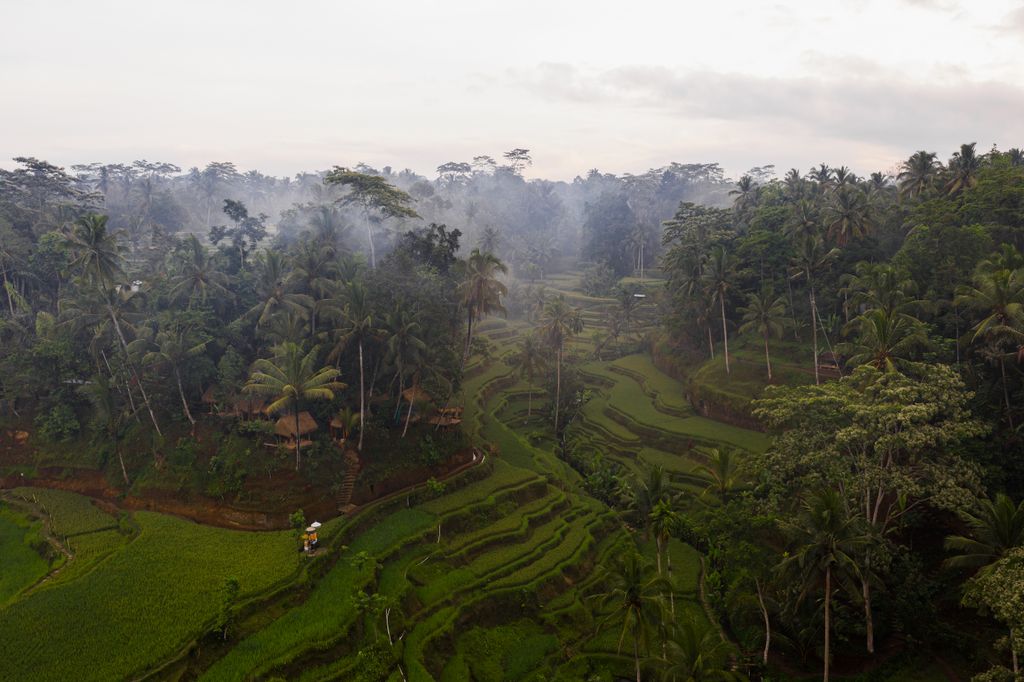
Many travelers avoid the monsoon season, but I’ve found it can be magical. You just have to know what you’re signing up for. The term “rainy season” can be misleading.
My anecdote comes from two different trips. One year in Bali during January (their monsoon season), it rained almost daily, but only in short, intense bursts in the afternoon.
The mornings were clear, the landscapes were incredibly lush and green, the waterfalls were roaring, and there were far fewer tourists.
On the other hand, I was once caught in a powerful monsoon on an island in southern Thailand where we were stuck in a restaurant for two days, watching the street turn into a river. The lesson?
The monsoon is unpredictable. In some places, it’s a brief daily shower; in others, it can shut things down.
The “Shoulder” Season: My Personal Favorite for Fewer Crowds & Better Prices
If your dates are flexible, aim for the shoulder months: April–May and October–November. This, in my opinion, is the secret sweet spot.
I once visited Thailand in October and experienced the best of both worlds. The heavy rains had mostly passed, but the peak season crowds hadn’t yet arrived.
The landscapes were still vibrant from the rain, and prices for flights and hotels were noticeably lower. You might get a few sporadic showers, but you’ll trade them for a much more relaxed and affordable travel experience.
Best Time to Visit Southeast Asia by Country
Thailand: November to February for Most Routes
The best time to visit most of Thailand is November to February, when humidity drops and the weather is better for Bangkok, Chiang Mai, temples, markets, and the Andaman coast islands such as Phuket, Koh Phi Phi, Koh Lanta, and Krabi.
March and April can be brutally hot, especially in Bangkok and northern Thailand.
The rainy season usually builds from May to October, though the Gulf islands, including Koh Samui, Koh Phangan, and Koh Tao, often see heavier rain later in the year.
If you are visiting northern Thailand, also research air quality from February to April before locking dates.
Vietnam: Split Your Planning by North, Central, and South
Vietnam is long enough that one national “best time” is misleading. Northern Vietnam, including Hanoi, Ha Long Bay, Ninh Binh, and Sapa, is often best from September to November or March to April.
Winter can be cool and misty, especially in mountain areas.
Central Vietnam, including Hue, Da Nang, and Hoi An, is usually best from February to May. October and November can bring heavier rain and storm disruption.
Southern Vietnam, including Ho Chi Minh City and the Mekong Delta, is generally best from December to April.
Cambodia: November to February for Angkor Wat
The best time to visit Cambodia is November to February. This is the most comfortable window for exploring Angkor Wat, Phnom Penh, Kampot, and the islands without the intense heat of late dry season.
March to May can feel punishing around temple sites, especially if you are walking for hours.
The rainy season can still be beautiful because the countryside turns green and the Angkor complex feels more atmospheric, but plan temple visits early in the day.
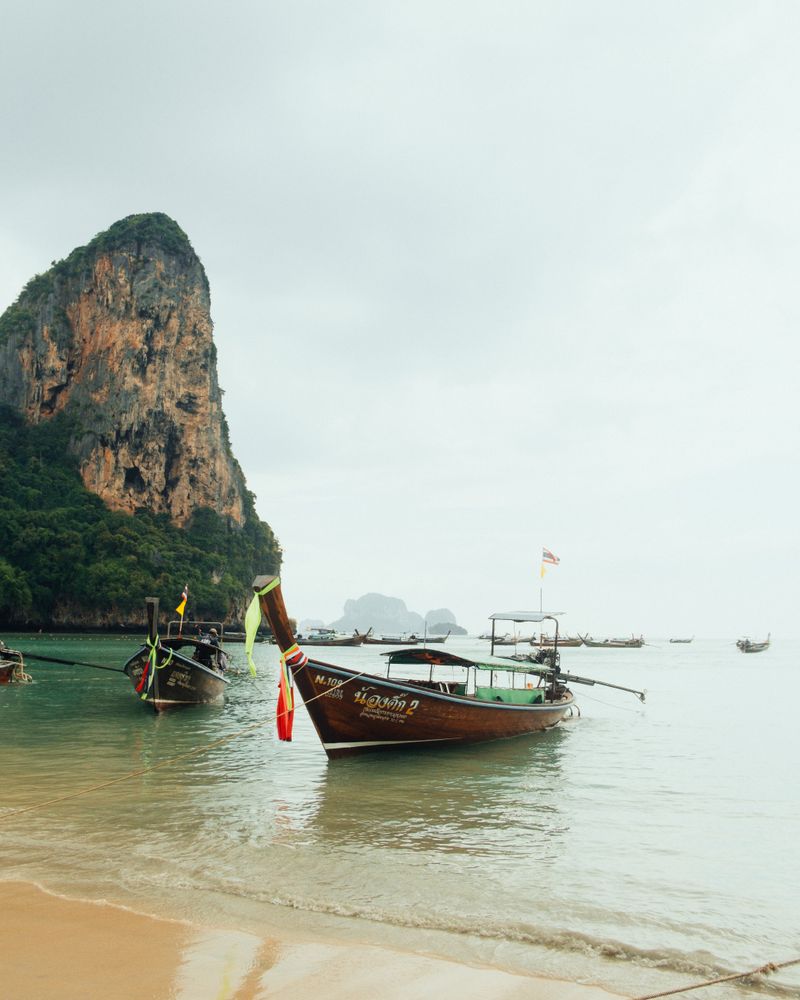
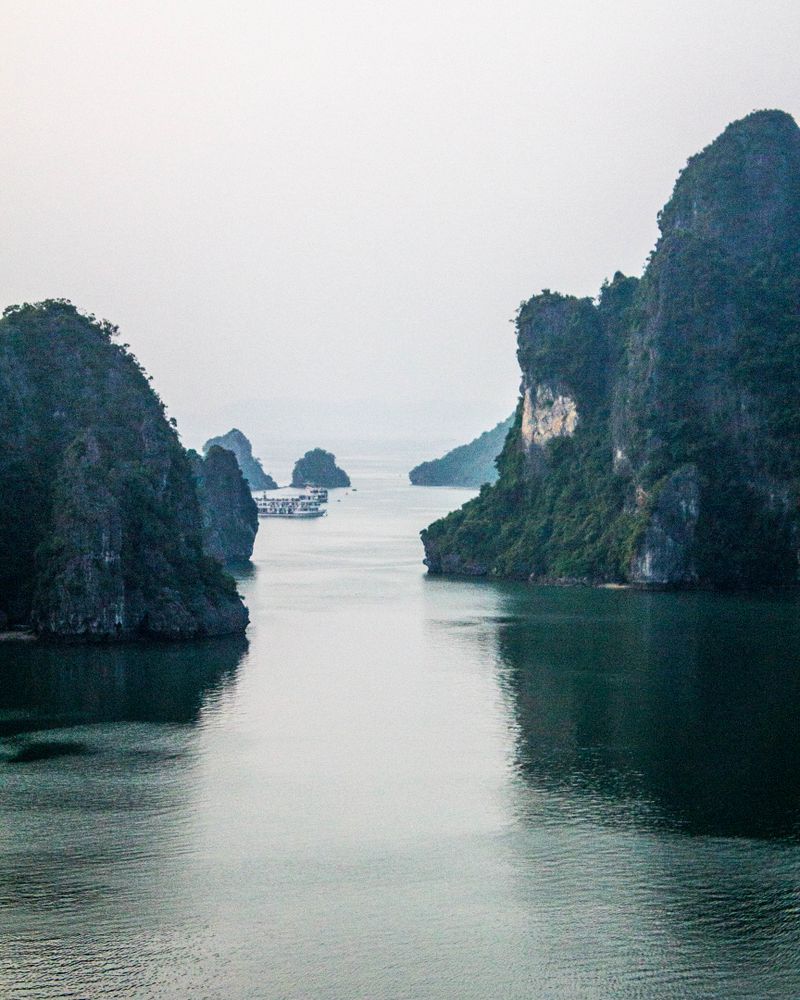
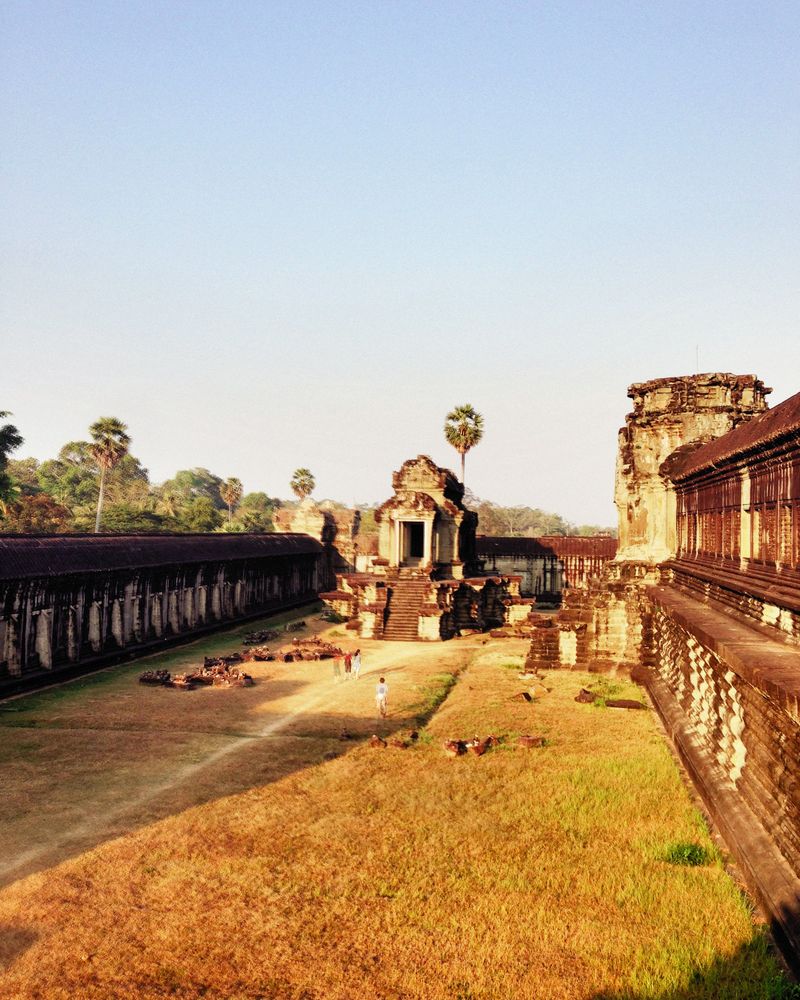
Thailand, Vietnam, and Cambodia — three very different weather calendars in one region. Photos via Pexels.
Laos: November to February for Cooler Weather
Laos is best from November to February, especially for Luang Prabang, Vang Vieng, the Bolaven Plateau, and slow travel along the Mekong. The weather is cooler and drier, which makes walking, cycling, and river journeys more comfortable.
March and April are hotter, while the wet season from May to October brings greener scenery and stronger waterfalls. If you want lower prices and fewer travelers, late October and early November can be excellent.
Myanmar: November to February, With Travel Advisory Checks
Weather-wise, the best time to visit Myanmar is usually November to February, when conditions are drier and cooler for places like Yangon, Bagan, Mandalay, and Inle Lake.
However, Myanmar is not just a weather decision. Before planning, check current safety conditions, travel advisories, entry rules, and transport reliability. If conditions are not suitable, choose neighboring Thailand, Laos, Cambodia, or Vietnam instead.
Malaysia: Choose Dates by Coast
Malaysia needs more nuance than a single “best month.” The west coast, including Langkawi, Penang, and Kuala Lumpur, is often better from December to March.
The east coast, including the Perhentian Islands, Redang, and Tioman, is usually better from June to September.
This makes Malaysia useful for filling gaps in a Southeast Asia itinerary. If the mainland is wet in July or August, the east coast islands can still be a strong beach option.
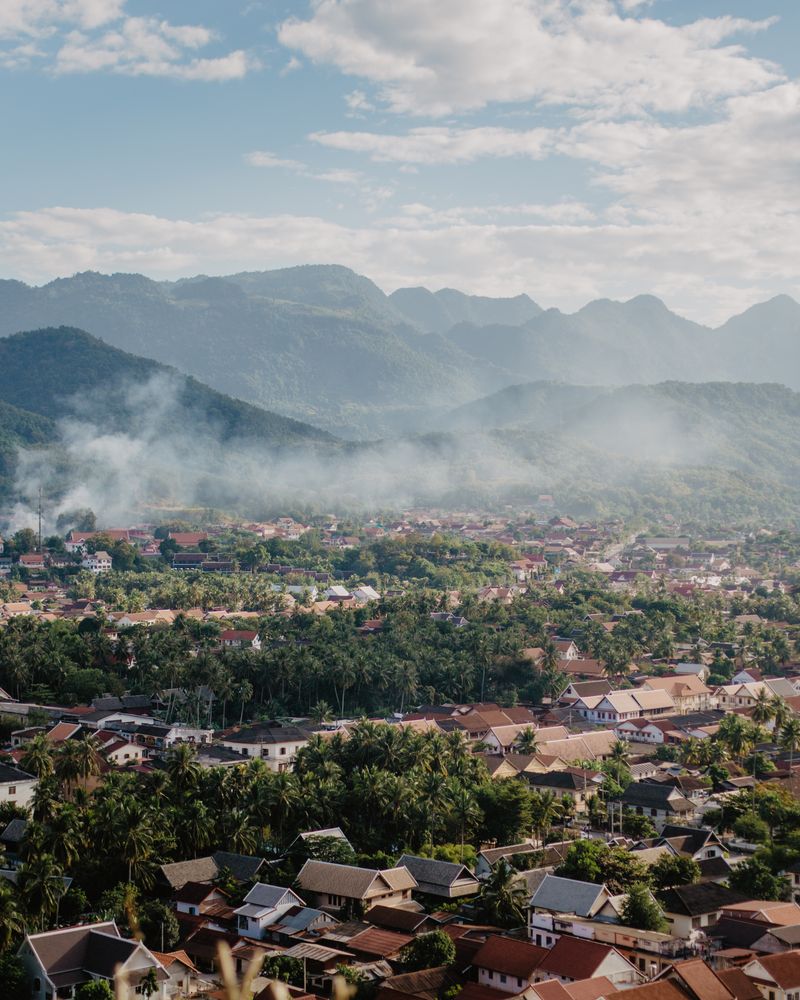
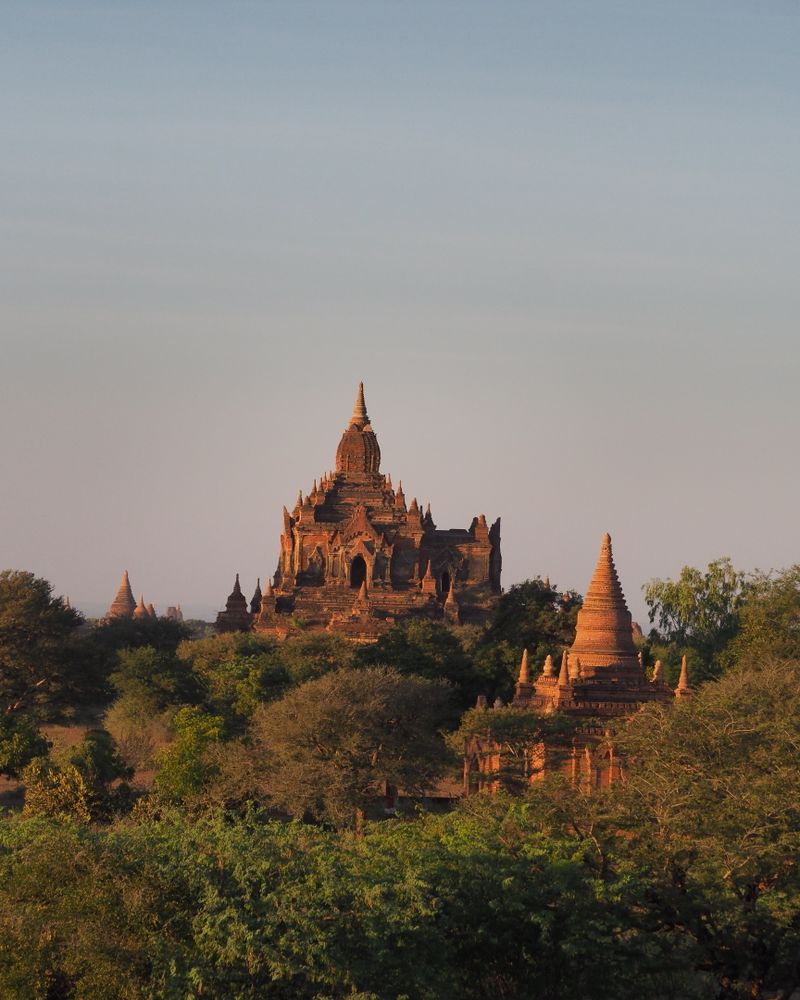
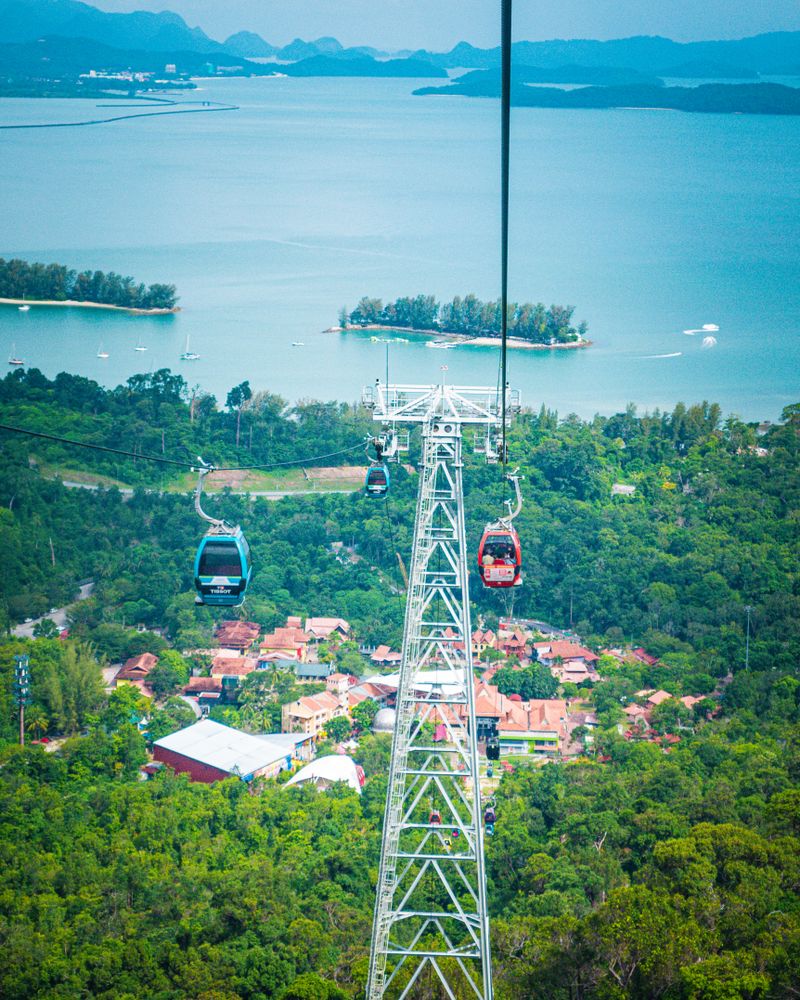
Laos, Myanmar, and Malaysia — cooler highlands, hot plains, and two very different coastlines. Photos via Pexels.
Indonesia and Bali: May to September
The best time to visit Bali, Lombok, the Gili Islands, Komodo, and much of southern Indonesia is May to September. These months are generally drier and better for beaches, diving, surfing, volcano hikes, and boat trips.
April and October are shoulder months and can be a great compromise. December to March is wetter, but travel is still possible if you build in flexibility and avoid overpacking the itinerary.
Philippines: December to May for Islands and Beaches
The best time to visit the Philippines is generally December to May, especially for beach and island routes through Palawan, Cebu, Bohol, Siargao, Boracay, and northern Luzon.
June to November brings higher rain and typhoon risk. That does not mean every day is washed out, but ferry routes, island hopping, and domestic flights are more vulnerable to disruption, so travel insurance and flexible plans matter.
Singapore: A Year-Round Stop, Best Around February to April
Singapore is hot, humid, and easy to visit year-round. If you want a slightly drier window, February to April is often a good choice.
November to January is usually wetter, but Singapore is still very manageable because transport, food, museums, gardens, and indoor attractions are easy to plan around rain.
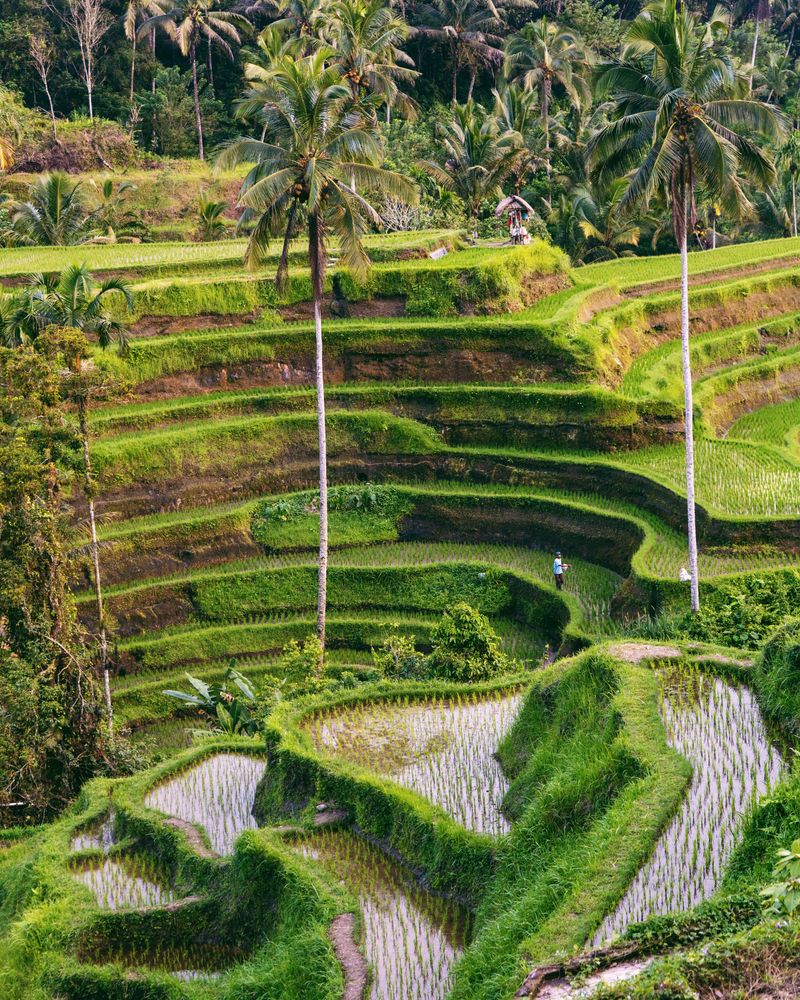
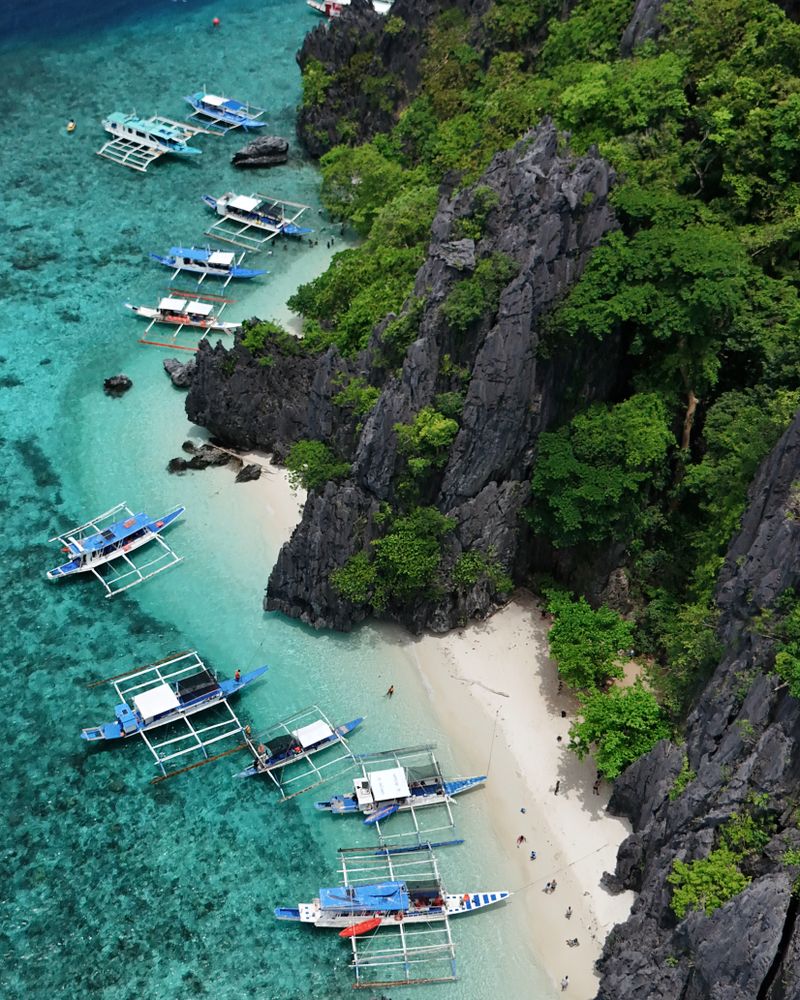
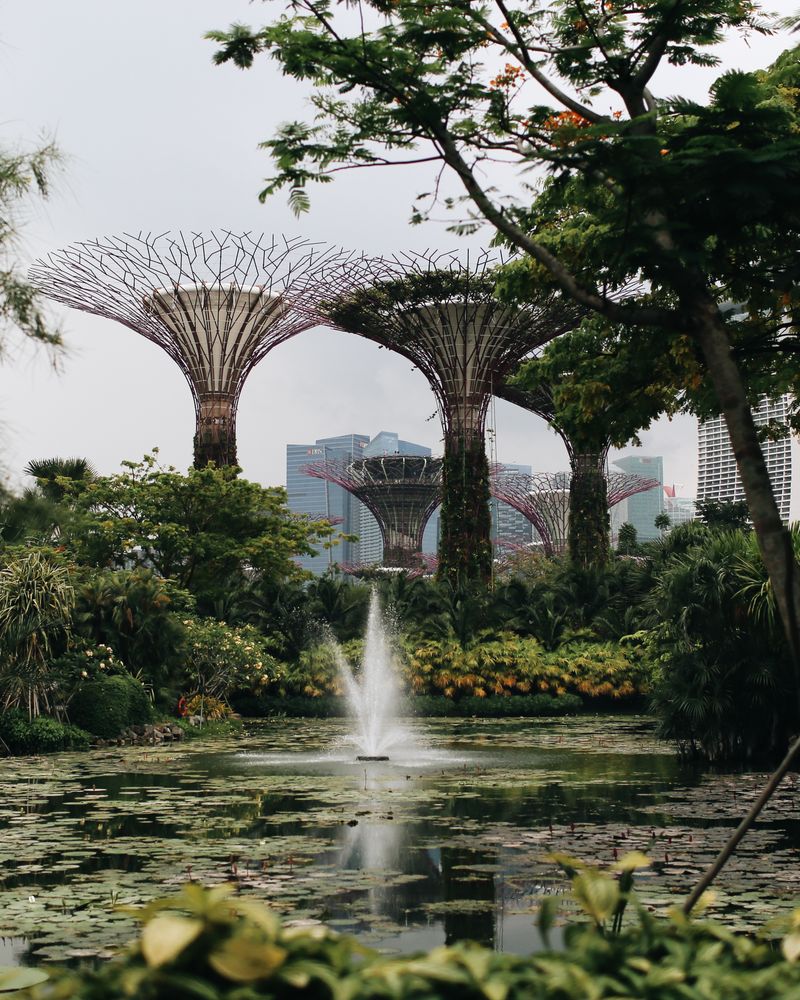
Indonesia, the Philippines, and Singapore — rice terraces, island-hopping, and a year-round city stop. Photos via Pexels.
Brunei: February to April for Slightly Drier Weather
Brunei is hot and humid throughout the year, but February to April is often one of the better windows for visiting Bandar Seri Begawan, mosques, mangroves, and rainforest areas. It is a quieter add-on for travelers already visiting Malaysian Borneo.
Timor-Leste: May to November for Diving and Overland Travel
Timor-Leste is usually best from May to November, during the drier season. This is the better period for diving, coastal drives, hiking, and exploring beyond Dili. Wet season can make rural roads slower and less predictable.
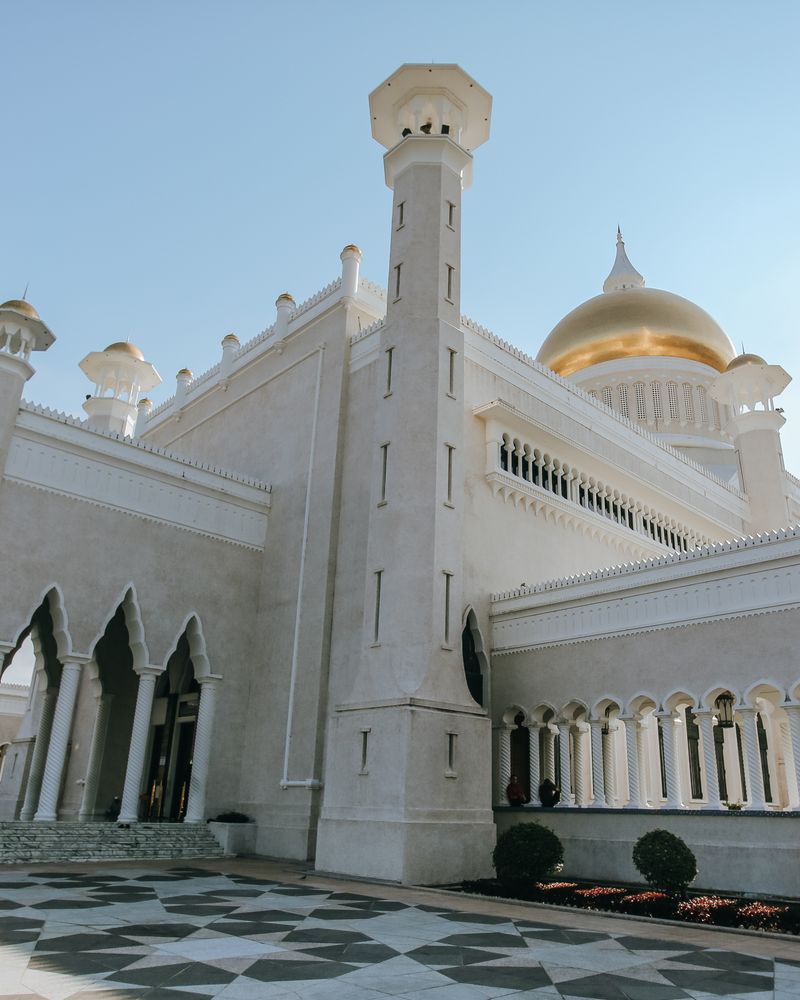
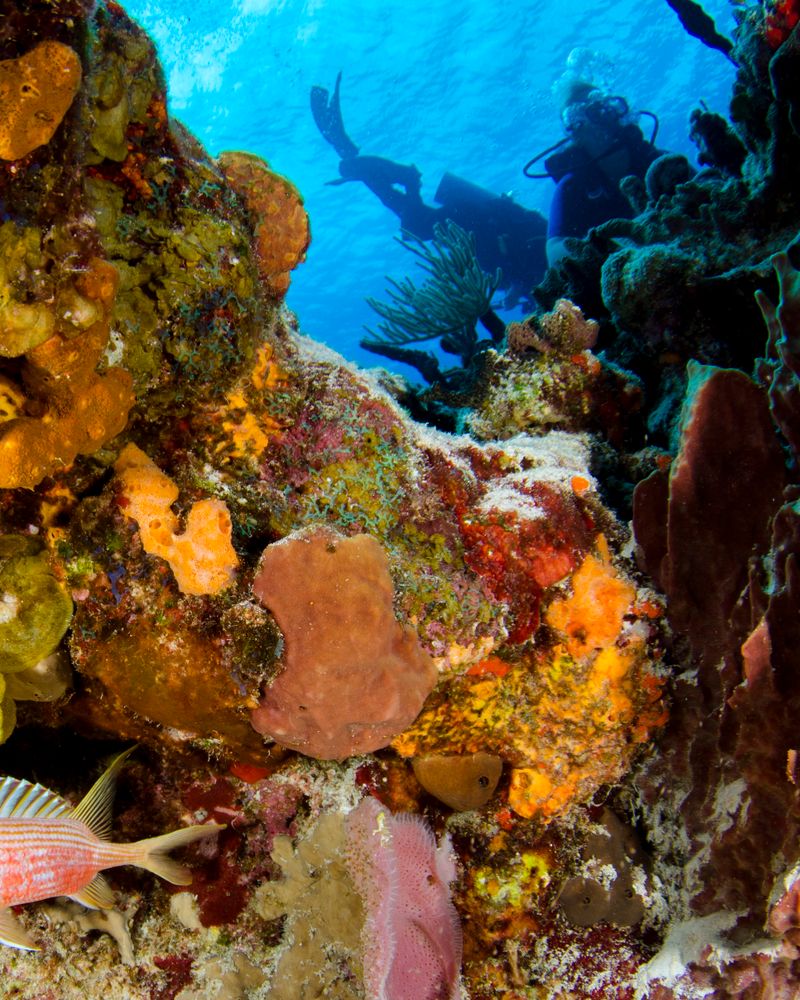
Brunei and Timor-Leste — two lesser-visited stops worth adding to a longer route. Photos via Pexels.
Planning Around Festivals? What I Learned the Hard Way
Traveling during a major festival is an incredible way to experience the local culture, but it requires serious advance planning.
Songkran (Thailand): The World’s Biggest Water Fight
Held from April 13–15, this is the Thai New Year. In cities like Chiang Mai and Bangkok, it’s a massive, joyous water fight.
It’s incredibly fun, but expect transport chaos and to be drenched the moment you step outside. My advice: Book accommodation months ahead and invest in a quality waterproof bag for your phone and passport.
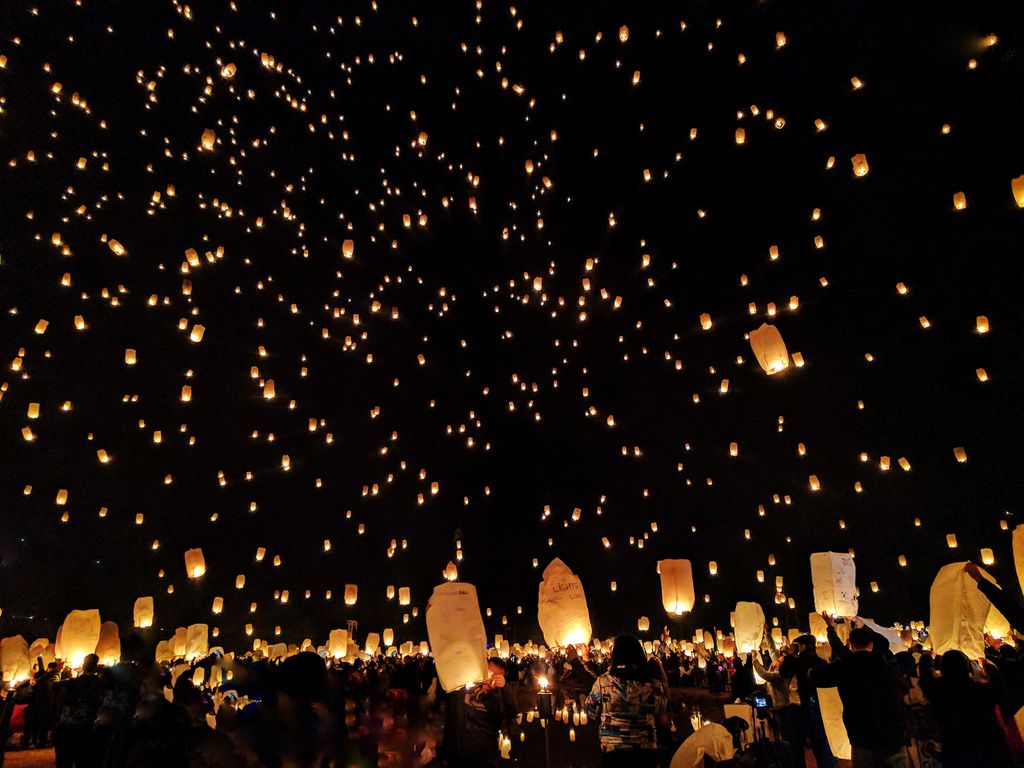
Yi Peng & Loy Krathong (Thailand): A Sky Full of Lanterns
In Chiang Mai during the full moon of November, you’ll witness one of the most beautiful sights of your life as thousands of lanterns float into the sky. It’s breathtaking but also draws immense crowds.
If you’re there for the photos, it’s worth it. If you hate crowds, consider experiencing it in a smaller town.
Tết (Vietnam): A Beautiful but Complicated Time to Travel
Tết is the Vietnamese New Year (late January or early February) and is the most important holiday. Cities are decorated, but many businesses, restaurants, and tour operators shut down for a week as people travel home.
If you want to witness the celebrations, book everything—flights, trains, hotels—far in advance. Otherwise, it’s best to avoid these dates.
A Traveler’s Guide to Crowds & Costs by Season
Expect higher prices, packed islands, and busy temples. Book early.
Expect better deals, fewer tourists, and greener scenery.
Good value, fewer people, and more flexible pricing.
Worst Time to Visit Southeast Asia
The worst time to visit Southeast Asia depends on your route. For many mainland trips, March to April can be the hardest period because heat, humidity, and poor air quality in parts of northern Thailand and Laos can make travel tiring.
For island-heavy trips, the bigger risk is not heat but disruption. The Philippines from June to November has a higher chance of storms and typhoons.
Central Vietnam in October and November can also be affected by heavy rain and storms. In Thailand, the Gulf islands can be wetter later in the year, while the Andaman coast usually follows a different pattern.
That said, “worst” does not always mean “do not go.” It means you need more flexibility, better insurance, and fewer fixed ferry or island-hopping days.
Final Verdict: When Should You Actually Go?
For a first-time mainland Southeast Asia trip, I would choose November or February. You get strong weather odds without landing in the most expensive Christmas and New Year rush.
For a beach-heavy route through Bali, Lombok, Komodo, or Malaysia’s east coast, I would choose June to September. That is the smarter summer route while much of mainland Southeast Asia is wetter.
For the best value, I would look at late October, early November, May, or early June.
These shoulder periods can be less predictable, but they often bring lower prices, greener landscapes, and a calmer version of the region.
Make sure you are also using the right travel apps for Southeast Asia when plans change on the ground.
Southeast Asia Trip Planning Checklist
Before You Go: Southeast Asia Checklist
Tick each item as you prepare. The best travel apps for Southeast Asia will also save you significant time and money on the ground.
Frequently Asked Questions (FAQs)
What is the best month to visit Southeast Asia?
November and February are best for most first-time mainland routes. They balance dry weather, heat, and crowds.
What is the rainiest month in Southeast Asia?
September is often wettest on the mainland. Indonesia and parts of Malaysia are often wetter from November to January.
When is the rainy season in Southeast Asia?
Mainland rainy season usually runs May to October. Indonesia and parts of Malaysia are often wetter later.
Is it worth visiting Southeast Asia during the rainy season?
Yes. Expect lush scenery, lower prices, and fewer tourists. Stay flexible and plan outdoor activities early.
What is the cheapest time to visit Southeast Asia?
Usually May to September on the mainland. Flights, hotels, and tours are often cheaper.
Is July a good time to visit Southeast Asia?
July is mixed. The mainland is often wet, but Bali, Lombok, Komodo, and Malaysia’s east coast can be excellent.
What should I pack for Southeast Asia’s different seasons?
Pack light clothes, sunscreen, and a hat. Add rain gear, quick-dry shoes, mosquito repellent, and an air-con layer.