
This Singapore food guide covers hawker centres, chicken rice, laksa, chilli crab and breakfast stops, with ordering tips and a flexible two-day plan for a first visit.
On a Tuesday at 11:15am at Maxwell Food Centre, the queue for Tian Tian’s chicken rice is already twenty people deep. The man behind the counter has been poaching chickens since 5am. He is not looking at the queue. He is looking at the chickens. The woman two positions ahead of you has ordered here every Tuesday for years, and she orders without speaking — a nod, a number of fingers, a gesture toward the roasted or the poached. Her rice arrives on a tray with three sauces in separate pools and a bowl of clear broth.
She carries it to a table she claimed with a tissue packet. This is Singapore. This is what you came to eat. The restaurants with the linen tablecloths and the marina views are a different city — a fine city, in both senses — but this tiled hall with the ceiling fans and the wet trays and the tray of food that costs the current stall price and is, by any honest measure, one of the most technically accomplished things being made for lunch anywhere in Asia right now: this is the starting point.
In this guide
In Short
- The hawker centre is the correct frame for eating in Singapore — not the restaurants, not the hotel dining rooms
- Chicken rice at Maxwell Food Centre is the canonical starting point; work outward from there
- Chilli crab is worth the money but only at the right place and not every night
- The city is more diverse and surprising as a food destination than its hawker-centre reputation suggests
Singapore Food Guide: Know This First
Singapore’s food identity is inseparable from its hawker centres. When the government cleared the city’s pavement vendors in the 1970s — a public health decision that was also an act of urban planning — it built covered, tiled, fan-cooled eating complexes and relocated the hawkers inside. The result was the preservation of an entire street food ecosystem in a regulated, semi-permanent form. The food didn’t die. In many cases, it got better: the hawkers stayed in the same locations for decades, refined their single dishes across decades of daily repetition, and passed their recipes down to their children or, when no children wanted the work, to students or to no one.
The Hawker Centre — Singapore’s Most Important Room
Verdict: UNESCO listed Singapore’s hawker culture in 2020. Before that, the hawker centre was simply where Singaporeans ate — and it still is. Learning to navigate one is the first thing to do in the city, and it takes about ten minutes.
What it is: Hawker centres are government-built, semi-open-air eating complexes that brought Singapore’s pavement vendors indoors in the 1970s. Each centre has dozens of independently operated stalls, each specialising in one or two dishes. You order at the stall, pay, carry your food to a shared table, and eat. The food is cooked to order at almost every stall. Prices are fixed and displayed — no negotiation. For current food-safety information, use the Singapore Food Agency’s SAFE framework, implemented on 19 January 2026. Grades can be checked through the QR code on the displayed SFA licence.
Walk around once before joining a queue. Read the stall menus, notice the portion sizes and decide whether you want one full meal or a few dishes shared with someone else. Drinks often come from a separate stall, so buying a plate of noodles does not automatically include a beverage. Ask whether the food is self-service or brought to your table; the arrangement can differ between stalls in the same centre.
If you see a tissue packet or another small item on an otherwise empty table, check whether someone has reserved the seat before sitting down. In a group, one person can stay with the table while the others order. Solo diners can ask politely to share an available place. Keep valuables with you, and avoid occupying a large table for a long time when people are waiting to eat.
Bring a payment backup and small notes rather than assuming every stall accepts your usual card or overseas mobile wallet. Check the displayed price and any extra charge for a larger portion or takeaway packaging. After eating, return trays and used crockery to the designated point and clear your litter. Follow the signs for the appropriate return station; NEA’s guidance explains the table-clearing requirements.
Chicken Rice — The National Dish
Verdict: Hainanese chicken rice is the dish to start with in Singapore — not because it’s the most complex, but because the version served in a good hawker centre tells you everything about what Singaporean food values: technique over spectacle, the quality of a single ingredient, and a simplicity that rewards attention. Start here.
Order the portion you want before adding sides. If the stall offers more than one chicken preparation, specify your choice clearly and ask about a preferred cut if that matters to you. A larger meat portion and a larger rice portion are different requests. For two people, compare individual plates with a shared chicken order and separate rice rather than assuming one format will always be better value.
Taste the rice and chicken before adding every condiment. The sauces let you adjust each bite, and pouring them all over the plate immediately makes it harder to notice the differences. If you want chilli on the side, say so when ordering. Cucumber and broth, where included, make useful contrasts to the rice; the appeal is the balance of the plate rather than a long list of expensive ingredients.
A famous queue is one option, not an obligation for your whole afternoon. If the wait would disrupt your plans, browse the other chicken-rice stalls in the area and choose a freshly prepared meal that fits your day. Check the stall’s own operating days before making a special journey. The centre being open does not guarantee that the particular kitchen you want is serving.
Char Kway Teow and Laksa — The Two Tests
Verdict: If chicken rice is Singapore’s calling card, char kway teow and laksa are the tests — the two dishes that separate hawker centre regulars from tourists, because the quality variation between stalls is enormous and the wrong version of either will put you off the dish permanently.
Choose according to the meal you want: char kway teow is a stir-fried noodle plate, while laksa is a bowl built around noodles and a rich broth. Having both as full solo meals back to back can be heavy, so share if you are comparing them at one stop. Otherwise, try one at lunch and leave the other for a different day. You will notice more when you arrive hungry.
For laksa, look at the toppings and ask what is included before adding extras. Seafood, fish cake and other ingredients vary by stall. If you avoid an ingredient, ask about the broth as well as the visible garnish: removing something from the top does not necessarily change the stock beneath it. The same applies to a noodle plate cooked with seafood or meat-based ingredients.
Order the standard version first if you want to understand a stall’s cooking, then adjust the heat or additions on a return visit. A photo on the sign can help identify a dish, but the staff’s explanation is more useful for the available portion sizes. Keep the order simple during a busy service and have your payment ready once the price is clear.
Chilli Crab — When and Where
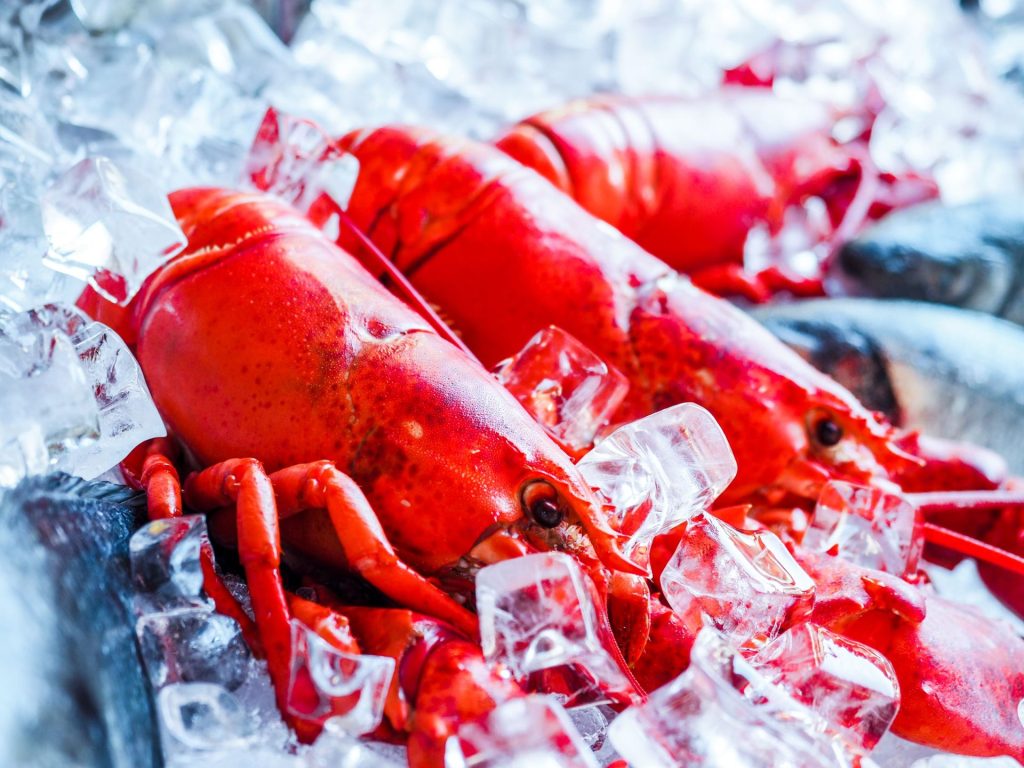
Verdict: Chilli crab is worth eating in Singapore — it is the city’s most famous dish internationally, and a properly executed version is excellent. But order it correctly: as a shared dinner dish, not a solo meal, and at the right restaurant rather than a tourist-facing waterfront operation.
Treat this as a planned shared meal and compare the full cost before ordering. Crab may be priced by weight, so ask the restaurant to explain the weight, the rate and the expected total for the crab selected. Then add any bread, rice, vegetables, drinks and service charges to the estimate. A menu price without its unit is not enough to compare one restaurant with another.
Choose a restaurant using its current menu, clear pricing and reservation arrangements rather than assuming that a waterfront location is either a guarantee or a warning. Decide how many people will share and whether everyone eats shellfish before booking. If only one person wants crab, it may be more practical to choose another dish together and save this meal for a different group.
Leave time to eat it. This is not an ideal choice immediately before a timed attraction or airport departure: working through the shell and sauce is part of the meal. Ask for any utensils you need and order accompaniments gradually rather than filling the table before the crab arrives. Check the bill against what you ordered, including supplements, without relying on an old price quoted in a travel article.
The Hawker Centre Beyond Maxwell
Verdict: Maxwell is the starting point, not the whole story. Newton Food Centre is another option for an evening meal. Lau Pa Sat’s satay alley is a specific night ritual worth one visit. Old Airport Road Food Centre in Geylang and Chinatown Complex are both better than anything the tourist maps prioritise.
Choose the next centre by the neighbourhood you are already exploring. Chinatown Complex can fit a Chinatown day, while Lau Pa Sat can fit an evening around the business district. Newton or Old Airport Road makes more sense when you allow time for the separate journey. The goal is to try a different cooking style or atmosphere, not to collect several food-centre names while eating the same dish at each one.
Check individual stall hours as well as the centre’s location. A breakfast business may finish long before an evening stall starts, and cleaning closures can affect a whole centre. Have a second dish in mind so one closed stall does not waste the trip. For an evening satay stop, confirm when the stalls you want begin service instead of arriving at lunchtime and expecting the same experience.
If you are travelling with children or a group, think about the seating, weather and ordering process as well as the food. A covered food centre still may be warm and busy. Pick a meeting point, agree who is ordering what and avoid sending everyone to buy full portions simultaneously. Sharing a few plates works best when someone keeps track of the order.
If You Only Have One Meal
Hainanese chicken rice at Tian Tian in Maxwell Food Centre. Not because it’s the most complicated meal in Singapore — it is not — and not because it’s the most memorable in the way that a chilli crab dinner is memorable. It’s the one because it is the purest expression of what Singapore’s food culture has built: a dish that migrant Hainanese hawkers brought from southern China and refined across generations of daily repetition into something technically demanding, locally specific, and available at the stall’s current price. Order the poached version.
Add all three sauces separately. Drink the clear broth alongside, not at the end. This is the one.
A flexible two-day Singapore food itinerary
Day one: Chinatown and a shared dinner
Start with a modest breakfast near your accommodation rather than crossing the city hungry. Make a Chinatown hawker lunch the main daytime food stop, choosing chicken rice or another rice dish that interests you. Leave the afternoon for walking and sightseeing, with a drink or small snack when you need a break. If chilli crab is a priority, book it for dinner and keep lunch sensible enough to enjoy the evening meal.
This route deliberately leaves room between substantial meals. You can use that time to explore shops, visit an attraction or return to the hotel during the hottest part of the day. Do not add a second large hawker lunch simply because another famous stall is close by. Save it as a fallback if the first choice is closed, or return on another day.
Day two: breakfast, noodles and another neighbourhood
Choose a local breakfast such as kaya toast, then plan a noodle lunch in a different area from day one. Decide between laksa and char kway teow according to what you have already eaten. Keep the evening open for a satay stop or a restaurant serving a different tradition. This gives you variety without requiring a reservation for every meal or a long journey between every plate.
Swap the days around your sightseeing bookings and the stalls’ operating schedules. If a particular restaurant is the reason for the trip, make that reservation first and build a light day around it. Otherwise, choose a compact route and let the meals support the neighbourhood visit. Singapore’s food is easier to enjoy when the plan allows a queue, a rain shower or an unexpected discovery.
Budgeting and dietary questions
Separate your everyday hawker budget from any restaurant splurge. Add drinks, transport and small snacks to your meal estimate rather than comparing only the cheapest plate at each stop. The prices in older guides are examples, not promises; use the displayed menu when ordering. For a group meal, agree a rough spending limit before choosing seafood or adding several side dishes.
Ask about ingredients directly when you have a dietary restriction. Broths, sauces and cooking fats may contain ingredients that are not obvious from the dish name. A dedicated vegetarian or clearly suitable restaurant can be easier than asking a busy stall to redesign its only dish. For halal requirements, check the specific establishment’s information rather than judging by the appearance of one plate.
Singapore food guide: quick questions
Can I eat well without booking restaurants?
Yes. A trip centred on hawker meals can remain flexible, provided you check the stalls you most want to visit and keep alternatives nearby. Reserve a special restaurant separately if its booking policy requires it. Leave the rest of the schedule loose enough to eat when you are hungry rather than whenever an overly detailed itinerary says you should.
How many hawker centres should I visit?
For a short visit, two different centres can be enough if you choose different dishes and give each meal time. More centres do not automatically mean a better food trip. If you have longer, explore another neighbourhood and use its food stop as part of the outing. Return to a favourite when you want to try something you noticed but had no room for the first time.
Bottom Line
Singapore’s hawker culture is the reason to eat here in the specific way that France’s bistro culture is the reason to eat in Paris: not because it’s the only thing available, but because it is the most honest and complete expression of what the place has built. The Michelin-starred restaurants are real, the fine dining scene is genuinely excellent, the chilli crab dinners are worth the occasion.
But the foundation of eating well in Singapore is a plate of chicken rice at a tiled table under a ceiling fan, and getting that right — knowing which stall, which hour, how to use the three sauces — is the local knowledge that makes everything else in the city read differently.
Compare regional dishes in our Penang food guide and Kuala Lumpur food guide. For an official overview of local dishes, see Visit Singapore’s food guide.
We will tell you whether we can help and send a written quote before any paid work begins.