Ask ten people what they know about Havana and you’ll probably hear the same answers.
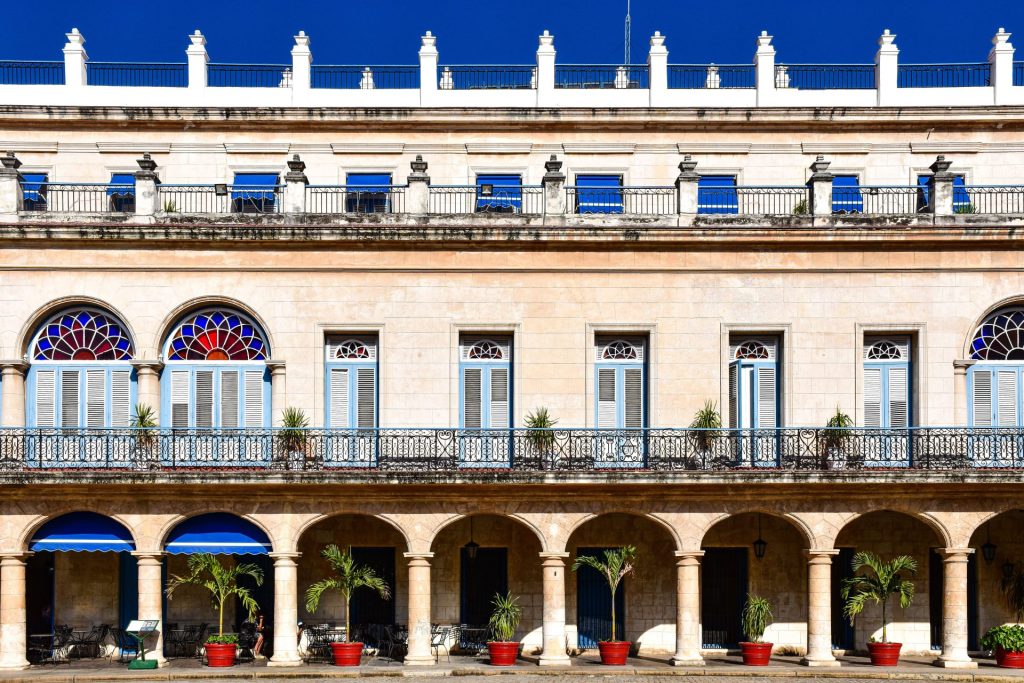
Classic cars. Cigars. Salsa music. Colourful buildings.
They’re not wrong. But they’re only scratching the surface.
Growing up in Havana, I’ve always found it amusing how often the city gets reduced to a handful of postcard images. The reality is far more interesting. Havana isn’t a museum frozen in time, nor is it simply a collection of vintage cars cruising along the Malecón.
It’s a city of contradictions. Grand mansions sit beside crumbling facades. Artists turn forgotten spaces into cultural landmarks. Neighbourhoods pulse with life, conversation, and creativity. Every block seems to tell a different story.
For many travellers, Havana becomes the highlight of their trip to Cuba. Not because it’s perfect, but because it feels unlike anywhere else. If you’re wondering whether Havana is worth visiting, the answer is simple: absolutely. Here’s why.
Quick Answer: Why Visit Havana?
Visit Havana because it gives you the strongest first taste of Cuba: UNESCO-listed Old Havana, live music, classic cars, independent restaurants, nearby beaches, and easy day trips to places like Viñales. For first-time visitors, Havana is worth visiting for 3 to 5 days because it combines culture, history, food, architecture, and everyday Cuban street life in one walkable city.
If you only visit one city in Cuba, make it Havana. It is not always polished, but that is exactly why it stays with you.
If you are asking why visit Havana instead of another Caribbean city, the answer is character: few places combine colonial streets, music, beach access, food, and local life so intensely in one trip.
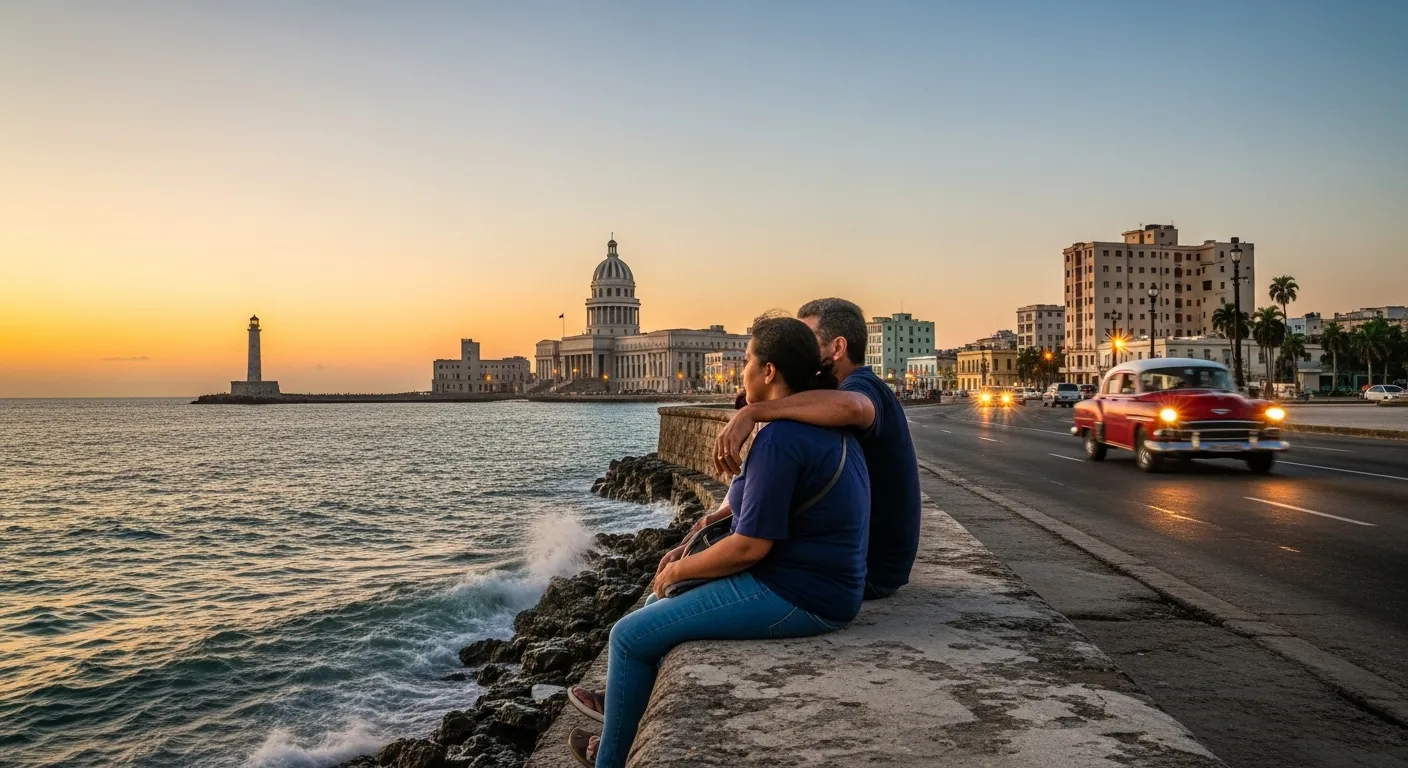
Is Havana Worth Visiting?
Yes. Havana is one of the most unique cities in the Caribbean, known for its architecture, culture, food, music, history, and vibrant street life. It offers an authentic travel experience that combines colonial charm, local culture, and some of Cuba’s most iconic attractions — unlike anywhere else in the region.
Havana At A Glance
| Best Time to Visit | December – May |
| Recommended Stay | 3 – 5 days |
| Currency | Cuban Peso (CUP) — cash is essential |
| Language | Spanish (some English in tourist areas) |
| Closest Beach | Playas del Este — 20–30 min from centre |
| Top Day Trip | Viñales Valley |
| Where to Stay | Casas particulares (private homestays) |
| Nearest Airport | José Martí International (HAV) |
Best Time to Visit Havana — Month by Month

Havana has a tropical climate with two distinct seasons. The dry season (December–April) is ideal for most visitors. The rainy season (May–October) brings heat, humidity, and the risk of hurricanes — especially in September. The National Hurricane Center is the best official source to check if you are travelling during hurricane season.
| Month | Avg Temp | Rainfall | Verdict |
|---|---|---|---|
| January | 26°C / 79°F | Low | 🌟 Best time to visit |
| February | 27°C / 81°F | Low | 🌟 Best time to visit |
| March | 28°C / 82°F | Low | 🌟 Best time to visit |
| April | 29°C / 84°F | Low – Medium | ✅ Great |
| May | 31°C / 88°F | Medium | 🔶 Acceptable |
| June | 32°C / 90°F | High | ⚠️ Rainy season |
| July | 33°C / 91°F | High | ⚠️ Rainy season |
| August | 33°C / 91°F | High | ⚠️ Rainy season |
| September | 32°C / 90°F | Very High | 🚫 Hurricane risk |
| October | 30°C / 86°F | High | ⚠️ Rainy season |
| November | 28°C / 82°F | Low – Medium | 🔶 Improving |
| December | 27°C / 81°F | Low | ✅ Great |
1. Havana Still Feels Like Havana

In a world where too many cities are starting to look the same, Havana still feels stubbornly itself.
No Starbucks on every corner. No rows of identical chain restaurants. No carefully manufactured version of local culture.
Instead, you’ll find family-run cafés, neighbourhood bakeries, independent restaurants, and daily life unfolding right in front of you. People still sit outside their homes. Conversations spill onto sidewalks. The city feels lived in rather than staged.
For travellers looking for authenticity rather than a polished version of it, Havana remains one of the most rewarding destinations in the Caribbean. Our guide to Havana hidden gems will point you toward the spots most visitors never find.
2. Some of Cuba’s Best Adventures Start Here
Havana isn’t just a destination. It’s a gateway.
Some of Cuba’s most memorable experiences sit just beyond the city limits. For a full breakdown of where to go and how to plan your time, the Havana travel guide covers everything from neighbourhoods to day trip logistics.

Viñales Valley
Home to dramatic limestone formations, tobacco farms, and some of the most beautiful landscapes in Cuba. About 2.5 hours west of Havana by road.
Las Terrazas
A peaceful eco-community surrounded by forests, rivers, and hiking trails — just 80km from the city centre.
Varadero
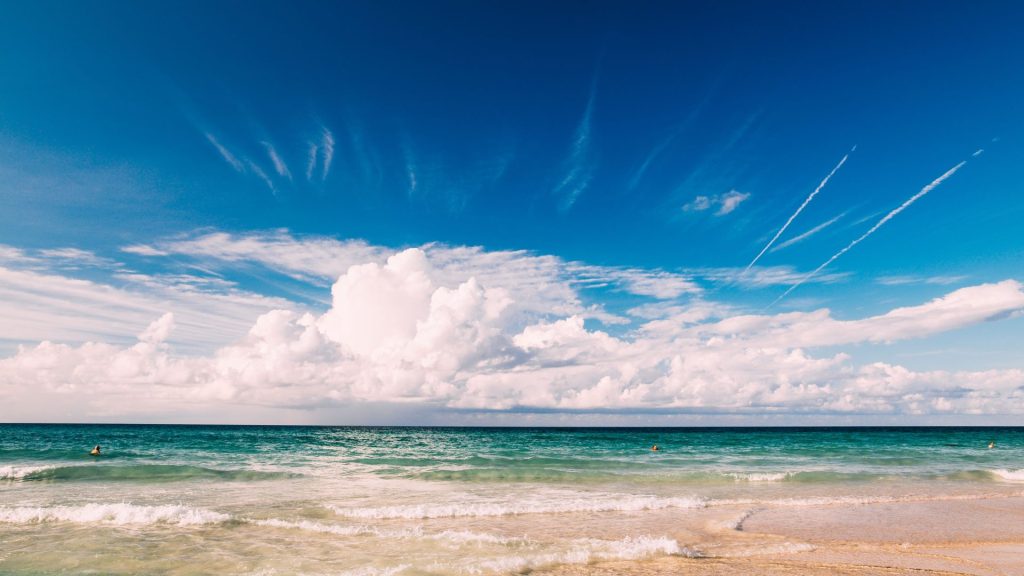
If you’re craving white sand and turquoise water, one of the Caribbean’s most famous beaches is only a few hours away.
“You can spend the morning exploring colonial streets and the next day riding through tobacco country. That range is rare.”
3. The Architecture Has No Business Being This Good
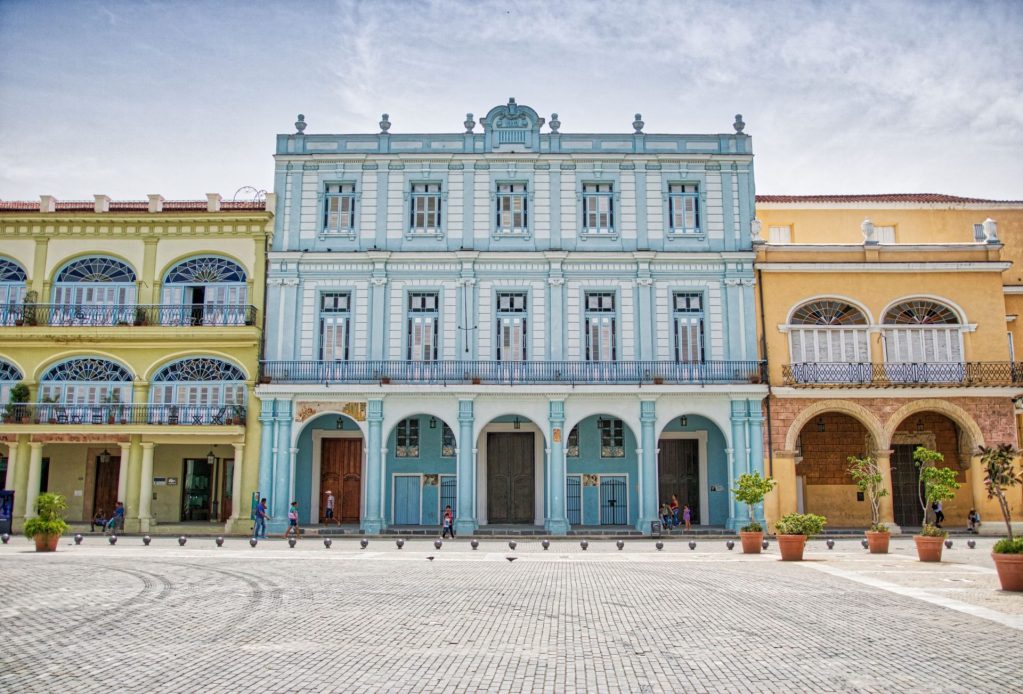
Even if architecture isn’t your thing, Havana has a way of making you look up.
One minute you’re walking past a faded colonial mansion. The next you’re standing in front of an Art Deco theatre wondering how it ended up there. The city is an extraordinary mix of colonial, neoclassical, Art Deco, modernist, and Soviet-era buildings — all within walking distance of each other.
Highlights include Plaza Vieja, El Capitolio, the Malecón, Castillo del Morro, and Gran Teatro de La Habana. Old Havana has been a UNESCO World Heritage Site since 1982 — and walking through it makes it obvious why.
For photographers, Havana is almost unfair. Every street seems designed for a camera. See our picks for the most Instagrammable spots in Havana if you want to hit the best angles.
4. Havana’s Food Scene Is Finally Getting the Attention It Deserves
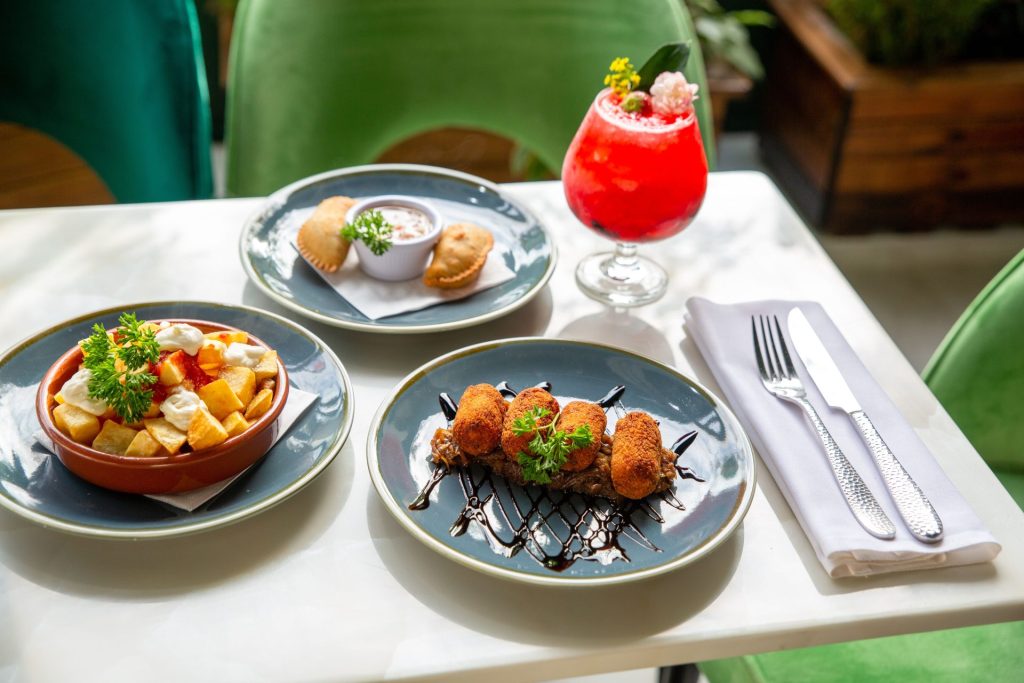
For years, people loved to say Cuban food wasn’t a reason to visit Cuba. That conversation is getting harder to have.
A new generation of chefs, entrepreneurs, and restaurant owners is quietly reshaping Havana’s food scene while staying connected to traditional flavours and ingredients. The rise of paladares — privately owned restaurants — has transformed the city.
- La Guarida — set inside a crumbling mansion, one of Havana’s most celebrated restaurants
- Otra Manera — creative Cuban cuisine in a relaxed neighbourhood setting
- El Cocinero — rooftop dining above Fábrica de Arte Cubano
- 5 Sentidos — tasting menus that take Cuban flavours seriously
Expect classic Cuban dishes, creative reinterpretations, excellent cocktails, and spaces full of character. For a deeper dive, here’s a guide to the most popular food in Cuba you need to try.
“The food scene isn’t trying to compete with Mexico City or Lima. It’s doing something more interesting. It’s finding its own voice.”
5. Creativity Is Everywhere
Havana has always been creative. It just doesn’t always hang a sign outside saying so.
You’ll find it in converted warehouses, hidden galleries, apartment courtyards, music venues, and neighbourhood projects that never make it into traditional guidebooks.
One of the best examples is Fábrica de Arte Cubano — a former industrial building transformed into one of the most innovative cultural spaces in Latin America. The neighbourhood of San Isidro has also become known for its independent galleries, street art, and creative initiatives. The best places to visit in Havana covers all of these neighbourhoods in detail.
You don’t always need a plan. Sometimes the best thing you can do in Havana is follow the music.
6. The Classic Cars Tell a Bigger Story
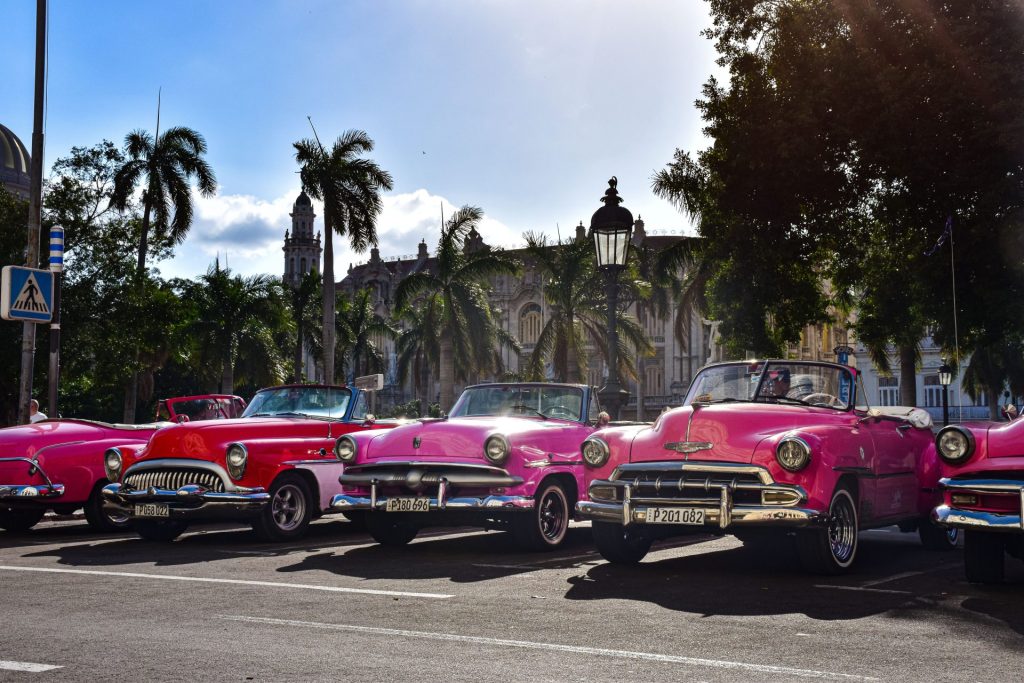
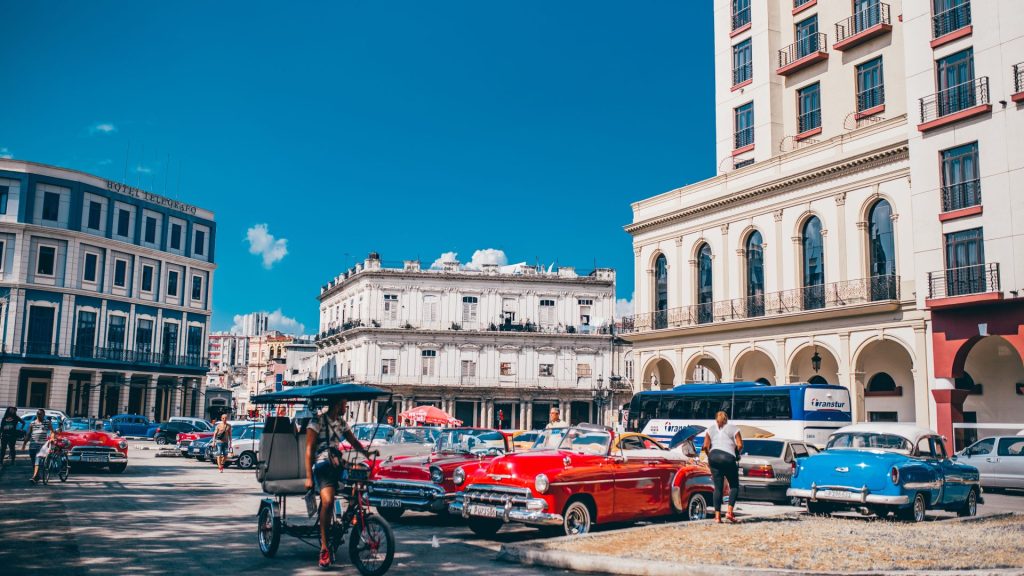
Yes, the cars are real. And yes, they’re everywhere.
But what makes them remarkable isn’t how they look. It’s the fact that they’re still running. For decades, limited access to replacement parts forced Cubans to become some of the most inventive mechanics in the world. Under the hood, many of these cars are engineering puzzles held together through skill, creativity, and determination.
They’re not simply tourist attractions. They’re rolling examples of Cuban ingenuity. If you’re curious about what’s real and what’s myth in Cuba, our guide to Cuban stereotypes breaks it all down.
7. The Beach Is Closer Than Most People Realise
Many visitors are surprised to discover that Havana has beaches. Good ones.
Just 20 to 30 minutes from the city centre, Playas del Este offers kilometres of coastline where locals escape on weekends and hot afternoons. No mega-resorts. No elaborate beach clubs. Just clear water, soft sand, and a refreshingly local atmosphere.
8. Havana Is Easier to Explore Than Most Visitors Expect
Compared to many major cities in the region, Havana is generally considered a safe destination for visitors. Violent crime remains relatively uncommon, and many travellers feel comfortable exploring the city’s main neighbourhoods independently.
- Stay aware of your surroundings
- Keep valuables secure
- Use official taxis when possible
- Watch out for common tourist scams
The UK Foreign Travel Advice for Cuba offers an up-to-date overview of entry requirements and safety conditions. For a local perspective, check out our full guide on Is Cuba Safe to Visit?


3-Day Havana Itinerary for First-Time Visitors
| Day | What to Focus On | Best Stops |
|---|---|---|
| Day 1 | Old Havana and the historic centre | Plaza Vieja, Catedral, El Capitolio, Obispo, rooftop drinks |
| Day 2 | Classic Havana neighbourhoods | Malecón, Vedado, Fábrica de Arte Cubano, local paladares |
| Day 3 | Culture, beaches, or a day trip | Playas del Este, museums, San Isidro, or Viñales if you start early |
Three days is enough for a strong first visit, but five days is better if you want to slow down, eat well, and add one proper day trip. If your trip is longer, use Havana as the base for a wider Cuba itinerary rather than rushing through it in a single day.
Your Havana Checklist
✅ Before You Go
- ☐ Check visa requirements for your nationality — most travellers need a tourist card
- ☐ Arrange travel insurance before departure
- ☐ Withdraw enough cash — ATMs are limited and cards often don’t work
- ☐ Book your casa particular in advance, especially in peak season
- ☐ Download offline maps (Google Maps or Maps.me) — internet is patchy
- ☐ Learn 10 basic phrases in Spanish — locals will love you for it
- ☐ Pack light — luggage storage options are limited outside the city
📍 Things To Do In Havana
- ☐ Walk the Malecón at sunset
- ☐ Explore Old Havana (Habana Vieja) on foot
- ☐ Ride in a classic American car
- ☐ Eat at a paladar at least once
- ☐ Visit Fábrica de Arte Cubano in the evening
- ☐ Catch live salsa music at a local venue
- ☐ Take a day trip to Viñales Valley
- ☐ Swim at Playas del Este
- ☐ Wander through the San Isidro neighbourhood
- ☐ Try a mojito at a neighbourhood bar, not a tourist trap
Quick Travel Tips for Havana
| Topic | Recommendation |
|---|---|
| Best Time to Visit | December to May |
| Currency | Bring cash and exchange locally — cards rarely work |
| Where to Stay | Casas particulares for a more local experience |
| Getting Around | Walking, official taxis, and classic car rides |
| Ideal Length of Stay | 3–5 days minimum |
| Best Day Trips | Viñales, Las Terrazas, Varadero |
| Internet Access | Buy ETECSA cards — Wi-Fi is public-hotspot based |
| Language | Spanish is essential outside tourist areas |
For more practical advice, see our 7 things not to do in Cuba, the full Cuba packing list, and our guide on handling money and internet in Cuba.
How Much Does Havana Cost?
Havana can be affordable or surprisingly expensive depending on how you travel. Local food, casas particulares, and shared taxis keep costs down. Imported products, private transfers, rooftop bars, and high-end paladares can push prices up quickly.
| Expense | Budget Traveller | Comfort Traveller |
|---|---|---|
| Casa particular | US$25–40 per night | US$50–90 per night |
| Meal | US$5–10 | US$15–35 |
| Classic car ride | Shared or negotiated locally | US$30–60 depending on route |
| Day trip | Shared transport where available | Private driver or organised tour |
Bring more cash than you think you need. Card payments are unreliable, ATMs can be empty, and exchange rates change. Our practical guide to money and internet in Cuba explains what to expect before you land.
Common Mistakes to Avoid in Havana
- Trying to see Havana in one rushed day instead of giving the city time to unfold.
- Arriving without enough cash, especially if your cards are issued by a bank that may not work in Cuba.
- Only staying in Old Havana and missing Vedado, Centro Habana, and the Malecón at sunset.
- Booking every meal in tourist-heavy restaurants instead of trying at least a few smaller paladares.
- Assuming internet access will be constant. Download maps, addresses, and booking details before you go.
Local Tips for Visiting Havana
- Stay in a casa particular if you want local advice, breakfast, and help arranging taxis or day trips.
- Walk early in the morning for cooler weather and quieter photos around Old Havana.
- Use official taxis or trusted drivers recommended by your host, especially late at night.
- Carry small bills for tips, bathrooms, snacks, and short rides.
- Plan one flexible evening. Some of Havana’s best nights happen when music pulls you into a place you did not plan to visit.
Frequently Asked Questions About Visiting Havana
How many days do you need in Havana?
Most travellers should spend at least three to five days. Three days covers the main highlights; five days allows you to explore deeper and add a day trip to Viñales or Las Terrazas.
Is Havana worth visiting?
Absolutely. Havana offers one of the most distinctive urban experiences in the Caribbean. There is genuinely nowhere else quite like it.
What is Havana famous for?
Havana is known for its colonial architecture, classic American cars, music, cultural heritage, historic landmarks, vibrant street life, and emerging food scene.
What is the best time to visit Havana?
The dry season between December and May offers the most pleasant weather, with lower humidity and less chance of rain.
Can you visit Havana without speaking Spanish?
Yes. Many people working in tourism speak English, and Cubans are generally welcoming and patient with visitors. That said, a few basic phrases go a long way.
Is Havana safe for tourists?
Havana is generally one of the safer cities in the Caribbean for tourists. Violent crime against visitors is uncommon. Watch out for petty theft and tourist scams, which are easily avoided with basic awareness.
Is Havana expensive to visit?
Havana is not as cheap as many first-time visitors expect, mainly because imported goods, private transfers, and popular restaurants can be expensive. You can still travel affordably by staying in casas particulares, eating at smaller paladares, walking more, and carrying enough cash.
What is the best area to stay in Havana?
Old Havana is best for first-time visitors who want to walk to the main sights. Vedado is better for nightlife, restaurants, and a slightly more local residential feel. Centro Habana works well if you want atmosphere and are comfortable with a more lived-in neighbourhood.
Do you need cash in Havana?
Yes. Cash is essential in Havana. Many cards do not work reliably, ATMs can be inconsistent, and smaller businesses often prefer cash. Bring enough money for accommodation, meals, taxis, tips, and backup costs.
Is Havana good for a first trip to Cuba?
Yes. Havana is the best place to start a first trip to Cuba because it gives you history, culture, food, nightlife, beaches, and onward travel connections in one place. Spend a few days here before continuing to Viñales, Trinidad, Varadero, or other parts of the island.
Can U.S. citizens travel to Havana?
U.S. citizens can travel to Havana only under an authorized travel category; pure tourism remains restricted under U.S. rules. Before booking, check the U.S. Department of State Cuba Travel Advisory and OFAC rules, keep records of your itinerary, and avoid assuming a standard beach-holiday booking is enough.
Are power outages a problem in Havana?
Yes, power cuts can affect Havana, although larger hotels and some restaurants may have generators. Bring a power bank, download offline maps, keep some cash available, and avoid planning a packed schedule on your first day in case transport, WiFi, or card payments are disrupted.
Cuba & Havana: Key Facts
| Capital | Havana (La Habana) |
| Havana Population | ~2.1 million |
| Cuba Population | ~8 million |
| City Founded | 1519 |
| Official Language | Spanish |
| UNESCO World Heritage | Old Havana listed since 1982 |
| Currency | Cuban Peso (CUP) |
| Time Zone | UTC−5 (same as US Eastern) |
| Main Airport | José Martí International (HAV) |
| Visa | Tourist card required for most nationalities |
Related Reading
- Is Cuba Safe to Visit? The Unfiltered Truth
- Havana Hidden Gems: Finding the Real, Authentic Cuba
- Best Places to Visit in Havana
- Most Popular Food in Cuba
- 7 Things Not to Do in Cuba
- Cuba Packing List 2026
- Cuba Travel Tips: 10 Things to Know Before You Go
- Best Havana Sunsets: Viewpoints, Photography & Timing
Why Havana Stays With You
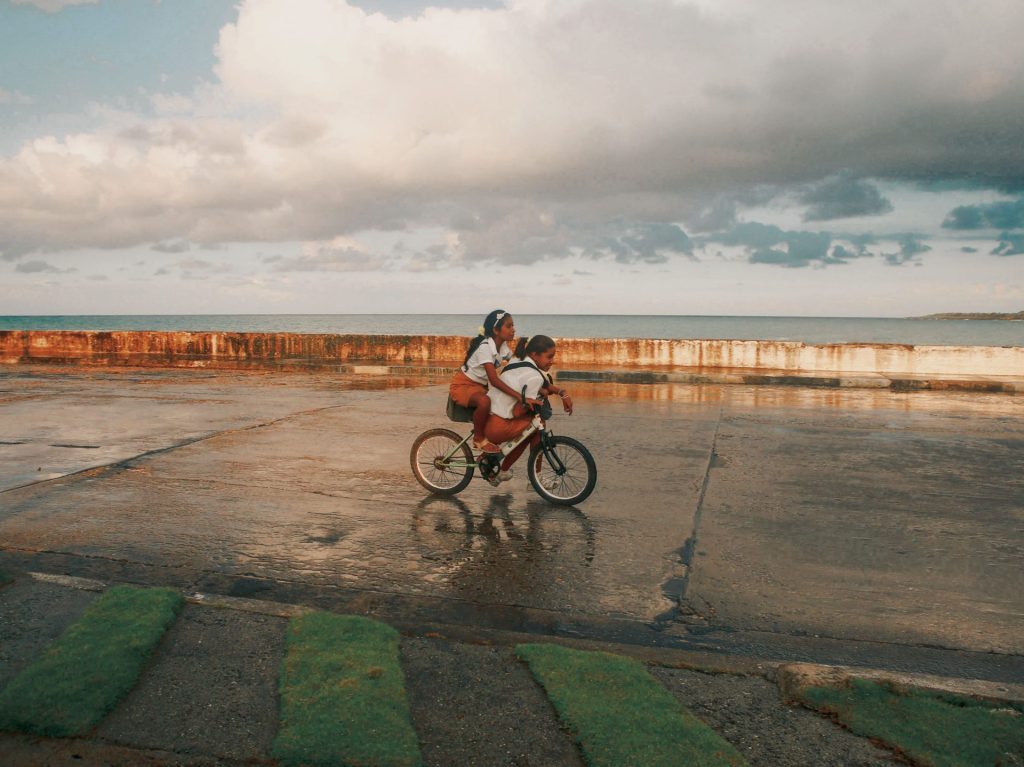
Some cities impress you. Havana gets under your skin.
Maybe it’s the music drifting out of an open doorway. Maybe it’s a conversation that lasts longer than expected. Maybe it’s the feeling that every street has a story and nobody is in a rush to tell it.
Havana isn’t polished. It isn’t predictable. It doesn’t always make things easy. And that’s exactly why people remember it.
Long after the classic cars, the cocktails, and the photographs fade into the background, what stays with most visitors is something much harder to explain: the feeling that they experienced a city that still feels completely itself.
That’s becoming rarer every year. And it’s what makes Havana worth the trip.