
Last updated: June 2026 · Written from first-hand experience in Havana
Quick Answer
The best places to visit in Havana include the Malécon, Old Havana (Habana Vieja), El Morro Castle, Mercaderes Street, Quinta Avenida in Miramar, San Isidro arts district, La Guarida restaurant, Casablanca & Cristo de La Habana, and Paseo del Prado. Allow at least 3–4 days to explore them properly.
Ask ten people what Havana is like and you’ll probably get ten different answers.
Some will tell you it’s a city frozen in time. Others will talk about the classic cars, the colonial architecture, or the music drifting through the streets after dark.
They’re all right. But none of them are telling the whole story.
The best places to visit in Havana aren’t just the famous landmarks featured in every travel guide. They’re the places that reveal how the city actually works — where locals gather, where history feels alive, and where Havana’s personality is impossible to ignore. Before you go, make sure you’ve read the Cuba packing list so you’re prepared for everything the island throws at you.
These are the Havana attractions I’d recommend first — not just because they’re beautiful, but because they help you understand the city beyond the postcards.
Planning note
Before booking, check current Cuba entry and safety guidance from your government. Travellers from the U.S. should review the official Cuba travel advisory; everyone visiting between June and November should monitor the National Hurricane Center during hurricane season.
1. The Malécon: Havana’s Most Iconic Attraction

Every city has a place where people go when they have nowhere particular to be. In Havana, that’s the Malécon.
Tourists come for the sunsets. Locals come because it’s where life happens.
Stretching for nearly eight kilometres along the coastline from Old Havana to Miramar, Havana’s famous seawall is less of an attraction and more of a living room for the city. On any given evening you’ll find fishermen, musicians, couples, families, and groups of friends all sharing the same view.
Most travel guides list the Malécon among the top things to do in Havana. They’re right. But what makes it special isn’t the sea. It’s the people sitting beside it.
Best time to visit: Sunset and into the evening — the atmosphere after dark is something else entirely.
Cost: Free.
Practical tip: Walk the full stretch from the entrance of Old Havana westward. The further you walk from the tourist zone, the more local it gets.
2. Old Havana (Habana Vieja): The Historic Heart of the City
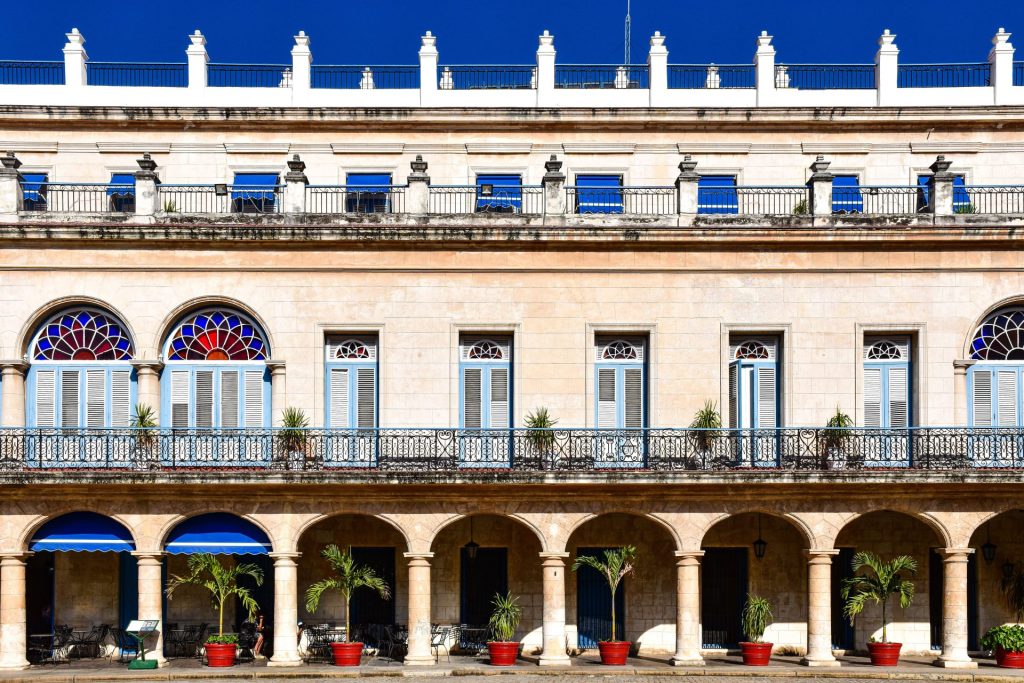
Most visitors fall in love with Havana here. And it’s easy to see why.
Old Havana is home to some of the city’s most famous landmarks — from Plaza Vieja and Cathedral Square to centuries-old churches and colonial mansions. As a UNESCO World Heritage Site, it’s one of the most important historical districts in the Caribbean and one of the top Havana Cuba attractions for any first-time visitor.
But the architecture is only part of the story. The real charm of Old Havana lives between the monuments — a musician performing from a doorway, neighbours chatting from balconies, children kicking a football through a plaza that has existed for hundreds of years.
Most guidebooks tell you where to look. The best experiences happen when you stop looking and simply wander.
Must-See Spots in Old Havana
- Plaza Vieja — the most photogenic of the four main plazas, surrounded by baroque mansions
- Plaza de Armas — the oldest square in Havana, with a secondhand book market running most days
- Cathedral Square (Plaza de la Catedral) — baroque architecture at its finest
- Obispo Street — the main pedestrian artery, busy and full of energy
- Museo de la Ciudad — worth the small entrance fee for the colonial courtyard alone
Cost: Free to walk and explore. Individual museums charge ~$3–8 USD.
Practical tip: Go early — before 9am, the streets are quiet and completely different. Come back in the evening when the plazas come alive with music.
3. El Morro Castle: The Best View in Havana
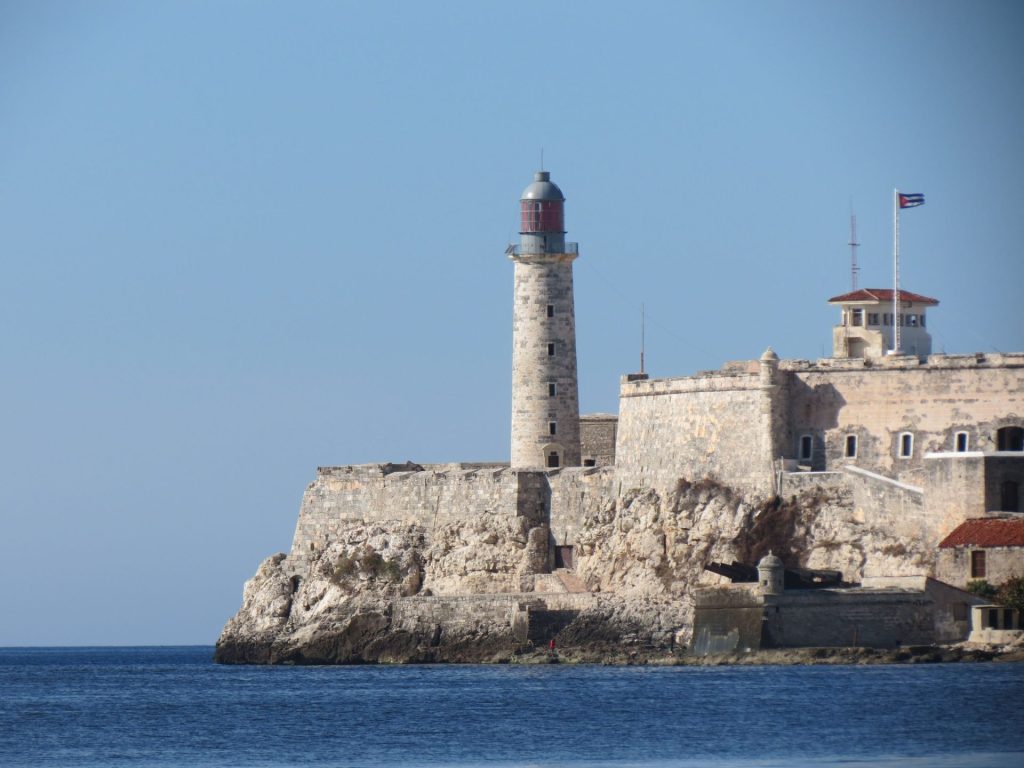
Standing guard at the entrance to Havana Bay for more than four centuries, El Morro is one of the city’s most recognisable landmarks. Built by the Spanish to defend Havana from pirates and foreign attacks, the fortress remains one of the most important historical sites in Cuba.
Most visitors come for the lighthouse. They’re missing the bigger picture.
From the fortress walls, the entire city unfolds before you — Old Havana, the harbour, the Malécon, and the Caribbean Sea stretching beyond the horizon. If you’re looking for one of the best photography spots in Havana, this is it.
Cost: ~$8 USD entrance.
Getting there: Take the local ferry from the dock near La Machina (Old Havana side) — it costs almost nothing and is an experience in itself.
Pro tip: The Cañonazo ceremony happens every evening at 9pm — a colonial cannon-firing ritual that’s been running for centuries. Don’t miss it. Visit in the late afternoon, stay for the ceremony, leave after dark.
4. Mercaderes Street: Havana’s Most Photogenic Street
Hidden within Old Havana, Mercaderes Street offers a glimpse of the city’s colonial elegance at its most intact. Colourful facades, restored mansions, cobblestone streets, and ornate balconies line one of the most beautiful stretches of the historic centre.
Unlike some parts of Havana where time has left visible scars, Mercaderes showcases what the city looked like at its height. Every corner feels like a postcard waiting to happen.
Yes, it’s popular with tourists. But it’s popular for a reason. Slow down, look up, and take in the architectural details that many visitors rush past.
Cost: Free.
Practical tip: Walk it in the morning before the crowds arrive, then again in the evening. The light and atmosphere are completely different. It connects Plaza Vieja to Cathedral Square — a natural route through Old Havana.
5. Quinta Avenida: A Different Side of Havana
Most tourists spend their entire trip between Old Havana and Vedado. That’s understandable. It’s also a mistake.
Head west into Miramar and you’ll discover a side of Havana that many visitors never see. Quinta Avenida — Fifth Avenue — is lined with grand mansions, embassies, tropical gardens, and wide boulevards that feel completely different from the busy streets of the historic centre.
If Old Havana tells the story of colonial Cuba, Miramar tells the story of a city that once looked toward the future with enormous ambition. Walking here feels like discovering a chapter that many travel guides forgot to mention. It’s one of the most underrated places to visit in Havana, Cuba.
Cost: Free to walk.
Getting there: Take a bicitaxi or shared taxi west from Vedado — around $3–5 USD each way.
Practical tip: Combine with a visit to the nearby Pabellón Cuba or the Russian Embassy building — one of the strangest and most fascinating pieces of architecture in Havana.
6. San Isidro: Havana’s Creative District
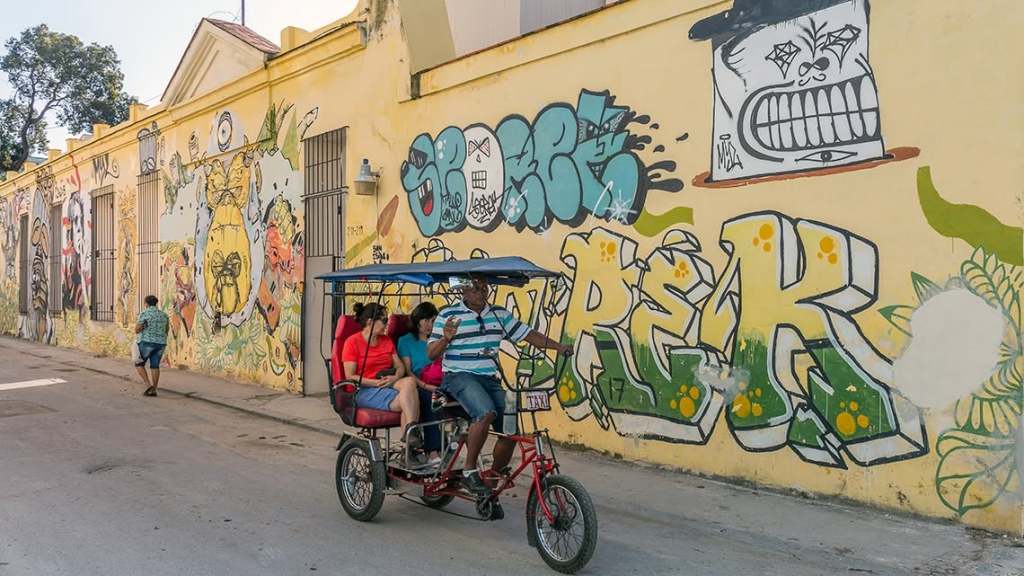
No neighbourhood has transformed more dramatically in recent years than San Isidro.
Located on the edge of Old Havana, the district has become one of the city’s most important creative hubs. Artists, musicians, entrepreneurs, and cultural projects have brought new energy to streets once known for very different reasons. Street art covers weathered walls. Galleries occupy historic buildings. Creativity and history coexist side by side.
Unlike some of Havana’s more polished attractions, San Isidro feels raw, evolving, and authentic. That’s exactly what makes it worth visiting.
Cost: Free to explore.
Best time to visit: Late afternoon and evenings, when galleries and studios are most likely to be open.
Practical tip: Wander without a plan. The street art changes regularly and some of the best pieces are on side streets that don’t appear on any map.
7. La Guarida: Havana’s Most Famous Restaurant

You don’t have to eat at La Guarida to appreciate it. The building alone is worth the visit.
Made famous by the acclaimed Cuban film Fresa y Chocolate, the restaurant occupies a magnificent mansion hidden behind an unassuming entrance in Centro Habana. The journey upstairs is part of the experience — visitors climb a grand staircase surrounded by faded walls, original architectural details, and a sense of old Havana that few places have managed to preserve.
Over the years, celebrities, artists, and politicians have all passed through its doors. But the real attraction remains the atmosphere — elegant, imperfect, and unmistakably Cuban.
Cost: The rooftop bar is accessible without a dinner reservation — go for a drink and the views ($$$). Dinner mains run $15–25 USD, which is expensive by Havana standards but reasonable by international ones.
Practical tip: Book dinner in advance — it fills up. But even just climbing the stairs and having a mojito on the roof terrace is an experience worth having.
8. Casablanca and Cristo de La Habana: The View Nobody Talks About
One of the best views of Havana isn’t actually in Havana. At least not from the side most tourists visit.
A short ferry ride across the bay takes you to Casablanca, a quiet neighbourhood that offers a completely different perspective of the city. From the base of Cristo de La Habana — a statue similar in spirit to Christ the Redeemer in Rio — the entire skyline unfolds before you. Old Havana. El Morro. The harbour. The Malécon. Everything suddenly makes sense from up here.
Many visitors skip Casablanca because it doesn’t appear on every itinerary. They’re missing one of the most rewarding viewpoints in Cuba.
Cost: The ferry costs less than $1 USD — use Cuban pesos. The statue itself is free.
Getting there: The ferry dock is near the La Machina terminal in Old Havana. Ferries run frequently throughout the day.
Practical tip: Combine with a visit to El Morro Castle on the same trip — both are on the same side of the bay.
9. Paseo del Prado: Havana’s Most Elegant Boulevard

Connecting Central Havana to the sea, Paseo del Prado has long been one of the city’s most important public spaces. Lined with trees, sculptures, historic buildings, and architectural landmarks, the boulevard captures a side of Havana that feels both elegant and alive.
As the afternoon fades into evening, locals gather on benches, children play beneath the trees, and photographers chase the changing light across the city.
It’s not the most famous attraction in Havana. But it might be one of the most pleasant places to simply slow down and observe the city. And in Havana, that’s often when the best moments happen.
Cost: Free.
Practical tip: Walk the full length from Parque Central (near the Capitolio building) down to the Malécon. It’s one of the best evening walks in the city — do it slowly.
See Havana as it really looks in 2025 — a walking tour through the real streets:
How Many Days Do You Need in Havana?
Minimum 3 days. Ideally 4–5. One day gets you through Old Havana and the Malécon. Day two covers El Morro, Casablanca, and Paseo del Prado. Day three takes you to Miramar, San Isidro, and the places most visitors miss. Days four and five are for wandering without a plan — which is often when Havana reveals itself properly.
Havana rewards the unhurried traveller. The city doesn’t give up its best moments to people who are rushing between sights. The more time you give it, the more it gives back.
| Days | What You Can Cover |
|---|---|
| 1 day | Old Havana, Malécon, Obispo Street |
| 2 days | Add El Morro, Casablanca, Paseo del Prado |
| 3–4 days | Add Miramar, San Isidro, La Guarida, Mercaderes |
| 5+ days | Day trips to Viñales or Trinidad, deeper neighbourhood exploration |
Best Time to Visit Havana
November to April is the best time to visit Havana. Dry season, lower humidity, temperatures in the mid-20s °C. December and January are particularly pleasant — warm without being punishing. Avoid June–October if possible: hurricane season brings heavy rain, high humidity, and unpredictable weather.
| Season | Months | Conditions | Verdict |
|---|---|---|---|
| Dry season | Nov–Apr | Warm, low humidity, little rain | ✅ Best time to visit |
| Shoulder | May, Oct | Warming up, occasional rain | 🟡 Fine with flexibility |
| Hurricane season | Jun–Sep | Hot, humid, heavy rain possible | 🟠 Not ideal, but possible |
That said — Havana in any season is worth it. Even during the rainy months, the storms pass quickly, and the city has a different kind of energy in the heat.
Frequently Asked Questions About Havana


What are the best places to visit in Havana?
The top Havana attractions include the Malécon, Old Havana (Habana Vieja), El Morro Castle, Mercaderes Street, Quinta Avenida in Miramar, San Isidro arts district, La Guarida restaurant, Casablanca & Cristo de La Habana, and Paseo del Prado. Allow at least 3–4 days to see them properly.
How many days should you spend in Havana?
Most travellers should spend at least three to four days in Havana. One day covers the Old Havana highlights; day two adds El Morro and Casablanca; days three and four take you into Miramar, San Isidro, and beyond the tourist trail.
Is Havana safe for tourists?
Havana is generally considered one of the safer capital cities in Latin America. Petty theft and scams targeting tourists exist — as they do in every city — but violent crime against visitors is rare. Use common sense with valuables and be aware of overcharging in tourist areas. For more detail, read Is Cuba safe to visit in 2026? and check your government’s official Cuba travel advice before departure.
What is the best time to visit Havana?
November to April is the best time to visit Havana — dry season with comfortable temperatures and low humidity. December and January are particularly good. Avoid June to October if possible due to hurricane season, and check the National Hurricane Center if travelling in summer or autumn, though the rain is often brief and the city stays lively.
What currency do I need in Havana?
Cash only. US-issued cards do not work in Cuba. Bring Euros, Canadian dollars, or British pounds and exchange on arrival. US dollars exchange at a penalty rate. There are no functioning ATMs for foreign cards. Bring everything you’ll need for your whole trip — there is no digital fallback. See the full Cuba packing list and cash guide for exact budget breakdowns.
What neighbourhood should I stay in Havana?
Old Havana is the most convenient for first-time visitors — everything is walkable and the atmosphere is unbeatable. Vedado is quieter, more residential, and popular with those who want to experience a less touristy side of the city. Miramar is the most upscale and better suited to those on a longer stay. Most travellers staying in casas particulares (private homestays) will do well in Old Havana or Vedado.
What is Old Havana known for?
Old Havana (Habana Vieja) is famous for its well-preserved Spanish colonial architecture, historic plazas, UNESCO World Heritage status, and its role as the cultural and historic heart of Cuba’s capital. It’s also the most visited neighbourhood in Havana — and rightly so.
What is the Malécon?
The Malécon is Havana’s iconic waterfront promenade — an 8km seawall stretching along the city’s northern coastline. It’s one of the most important public gathering spaces in Cuba and the place where Havana’s social life happens after dark. Free, always open, and always worth a visit.
How do I get around Havana?
Old Havana is compact and best explored on foot. For longer distances, use classic car taxis (agree a price before you get in), bicitaxis (bicycle rickshaws, good for short hops), or shared taxis. The local bus network is challenging for tourists to navigate. Uber and similar apps do not operate in Cuba.

The Real Havana
The truth is that Havana isn’t a city you simply check off a list.
You can visit the landmarks, photograph the classic cars, walk through Old Havana and watch the sunset from the Malécon. You should. They’re famous for a reason.
But what stays with most people isn’t a building or a monument. It’s the feeling of the city itself — the music drifting through an open window, the conversations between neighbours on a balcony, the sound of waves crashing against the Malécon after dark, the way history and everyday life seem to exist side by side.
That’s what makes Havana different. Not because it’s frozen in time, but because it’s constantly living in it. When you’re ready to go beyond the landmarks, explore the Havana hidden gems that most tourists never find.
Visit the famous places. Wander beyond them. Leave room for the unexpected. Because the best parts of Havana are rarely the ones you planned for.