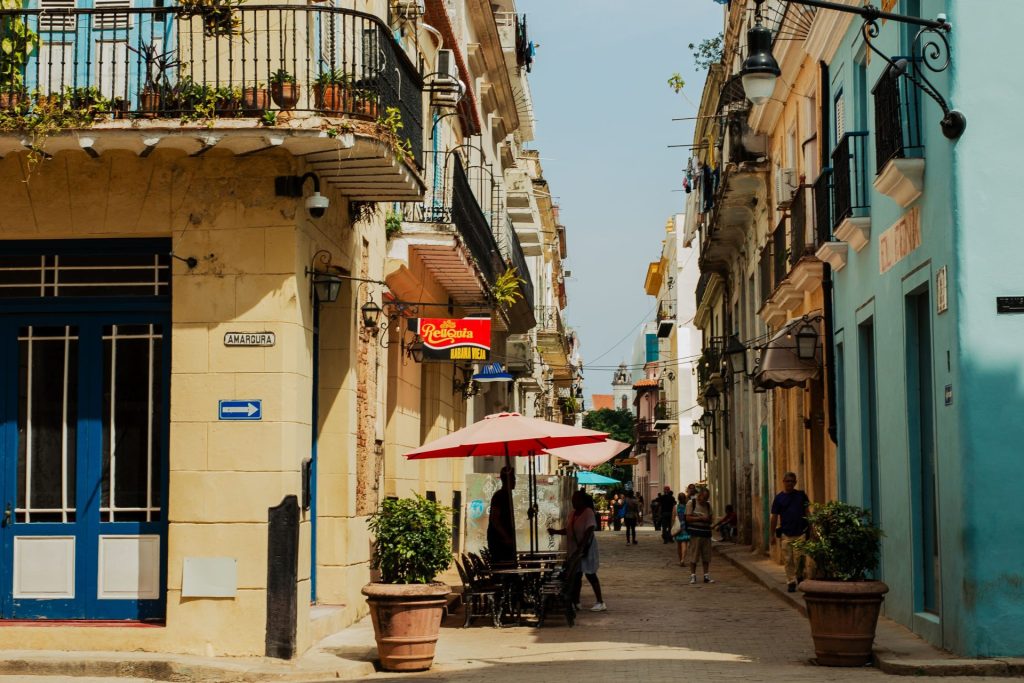
Most visitors experience the same Havana.
They admire the classic cars outside the Capitolio, wander through Old Havana, order a mojito in a busy square, and leave feeling like they have seen the city.
But Havana is much bigger than its postcards.
As someone born and raised in Cuba, I can tell you the city’s real personality lives beyond the obvious places. It is in neighborhood bakeries before sunrise, family-run paladares hidden on residential streets, domino games on hot sidewalks, rooftop conversations, and music drifting from a doorway you almost walked past.
If you are looking for authentic Havana, you need to go beyond the tourist trail. For the classic first-time route, start with my Havana travel guide, then use this guide to find the corners most visitors miss.
Quick Answer: What Are the Best Hidden Gems in Havana?
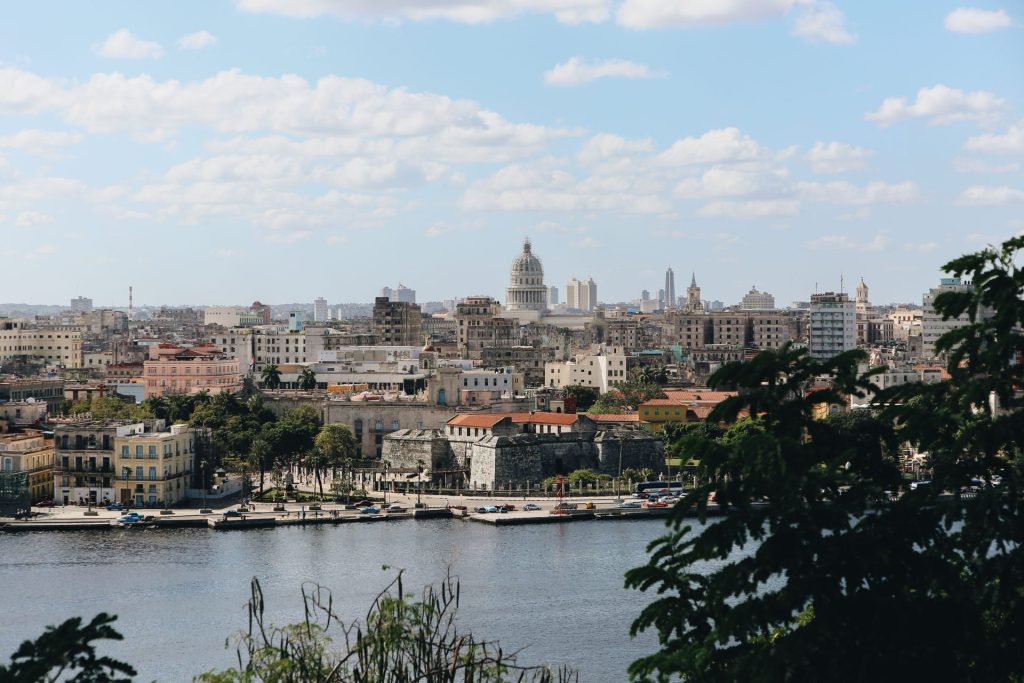
The best hidden gems in Havana include Callejon de Hamel, Fusterlandia, Centro Habana, Vedado’s residential streets, local paladares, the Malecon at sunrise, rooftop bars, grand old cinemas, baseball culture, neighborhood domino games, Fabrica de Arte Cubano, and Coppelia.
These places show a more local side of Havana: food, art, music, architecture, street life, and the everyday culture that makes the city unforgettable.
Havana Hidden Gems at a Glance
| Hidden gem | Best for | Area | Best time | Local tip |
|---|---|---|---|---|
| Callejon de Hamel | Afro-Cuban art and rumba | Centro Habana | Sunday midday | Go for rumba, not just photos |
| Fusterlandia | Mosaic art and color | Jaimanitas | Morning | Combine with a coastal drive |
| Centro Habana | Real street life | Centro Habana | Daytime | Walk slowly and stay aware |
| Vedado | Local neighborhoods | Vedado | Morning or late afternoon | Explore side streets, not just main roads |
| Malecon at sunrise | Quiet local Havana | Seafront | Sunrise | Go before the evening crowds |
| Local paladares | Cuban food | Vedado / Miramar | Lunch or dinner | Ask locals, not hotel desks |
| Rooftop bars | Views and atmosphere | Old Havana / Centro | Sunset | Book ahead for better tables |
| Grand cinemas | Faded architecture | Centro / Vedado | Daytime | Look up: the facades tell the story |
| Baseball culture | Local conversation | Across Havana | Game day | Ask someone their team |
| Domino games | Everyday life | Local streets | Late afternoon | Watch respectfully before joining |
| Fábrica de Arte Cubano | Art and nightlife | Vedado | Evening | Check opening days before going |
| Coppelia | Local ice cream culture | Vedado | Afternoon | Expect queues and chaos |
Where the Hidden Gems Are
1. Callejon de Hamel: Afro-Cuban Art in the Middle of the City
Callejon de Hamel is one of the most vivid hidden gems in Havana. The alley is covered in murals, sculptures, symbols, and Afro-Cuban religious references. It is colorful, yes, but it is not just decoration. This is a cultural space shaped by art, Santeria, music, and neighborhood identity.
If you can, visit on Sunday when rumba performances usually bring the alley to life. It will be busy, but it still feels rooted in something real. You can also compare it with broader unusual Havana listings from Atlas Obscura if you want extra context before visiting.
Local tip: Do not treat it like an Instagram wall. Stay, listen, and understand that the art has meaning.


2. Fusterlandia: Havana’s Mosaic Wonderland
Fusterlandia feels like Havana let a dream loose in a neighborhood. Created by Cuban artist Jose Fuster, this area in Jaimanitas is covered in bright mosaics: walls, benches, homes, rooftops, and public spaces. It is playful, strange, and completely different from the colonial Havana most visitors expect.
It takes a little effort to reach, which is why many travelers skip it. Their loss.
Local tip: Go in the morning before the heat gets heavy, and combine it with a drive along the coast.
3. Centro Habana: The Havana Between the Postcards
Old Havana gets the attention. Vedado gets the recommendations. Centro Habana sits somewhere in between.
This is one of the best places to understand real Havana: loud streets, crumbling balconies, neighbors talking across buildings, small food windows, music, laundry lines, and the daily rhythm of a city that does not pause for tourists.
It is not polished. That is the point. If you are planning your first trip, pair this section with my guide to the best places to visit in Havana so you get both the essentials and the deeper cuts.
Local tip: Walk during the day, keep your camera respectful, and do not photograph people like scenery.

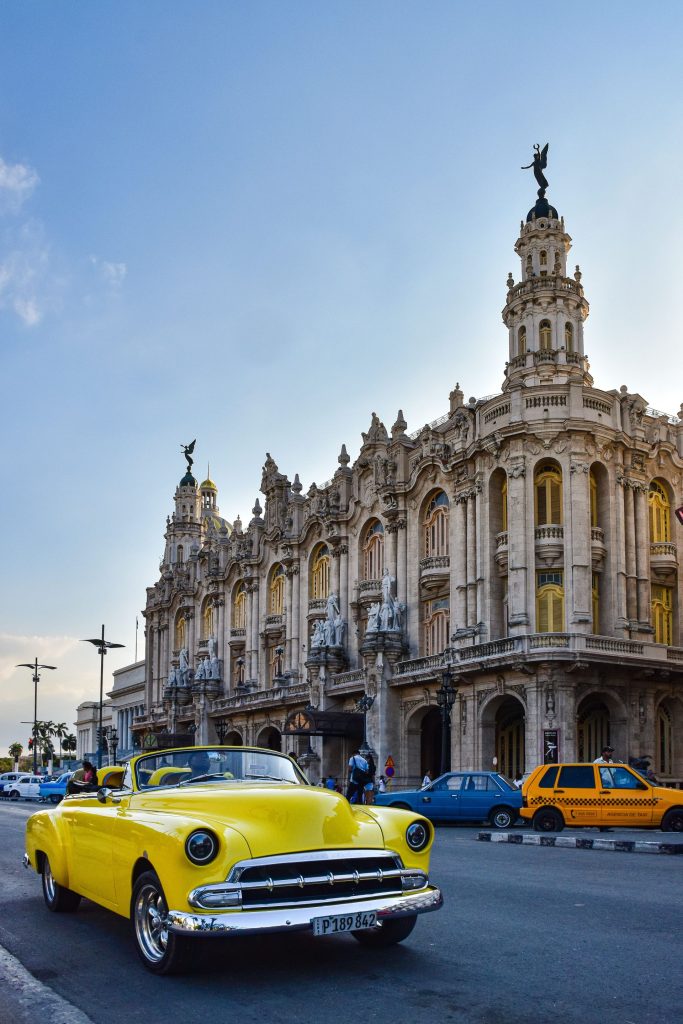
4. Vedado’s Residential Streets
Vedado is often mentioned for hotels, restaurants, and nightlife, but its quiet residential streets are where the neighborhood becomes interesting.
You will find old mansions, shaded sidewalks, embassies, cinemas, apartment blocks, and small cafes that feel far removed from Old Havana’s tourist flow. This is a good area to wander without chasing a checklist.
Local tip: Start around Avenida 23, then move into the quieter side streets.
5. The Malecon at Sunrise

Most visitors go to the Malecon at sunset. And yes, sunset is beautiful. I have a full guide to the best sunset spots in Havana for that.
But sunrise is when the city feels different. You will see fishermen, runners, early workers, and locals sitting quietly before Havana becomes loud again. The sea hits the wall, the light softens the buildings, and for a moment the city feels almost private.
Local tip: Go early, bring coffee, and do not rush it.
6. Local Paladares Hidden Away From the Tourist Squares
If you want authentic Cuban food in Havana, do not only eat around Plaza Vieja or the busiest streets of Old Havana.
Some of the best meals are in paladares: privately owned restaurants often tucked into homes, courtyards, rooftops, or residential neighborhoods. Look in Vedado, Miramar, and Centro Habana. Ask your casa particular host where they would actually eat.
For more food planning, read my guides to what to eat in Cuba and Cuban street food.
Local tip: A good paladar feels personal. If the menu looks designed only for tourists, keep looking.
7. Havana’s Hidden Rooftops
From street level, Havana is beautiful. From above, it is unforgettable.
Rooftops reveal the city in layers: domes, balconies, water tanks, peeling paint, church towers, laundry lines, and the sea beyond it all. Some rooftops are polished cocktail bars. Others are simple casa terraces or small restaurants with better views than famous hotels.
Local tip: Go just before sunset, but stay after dark. Havana changes when the lights come on.
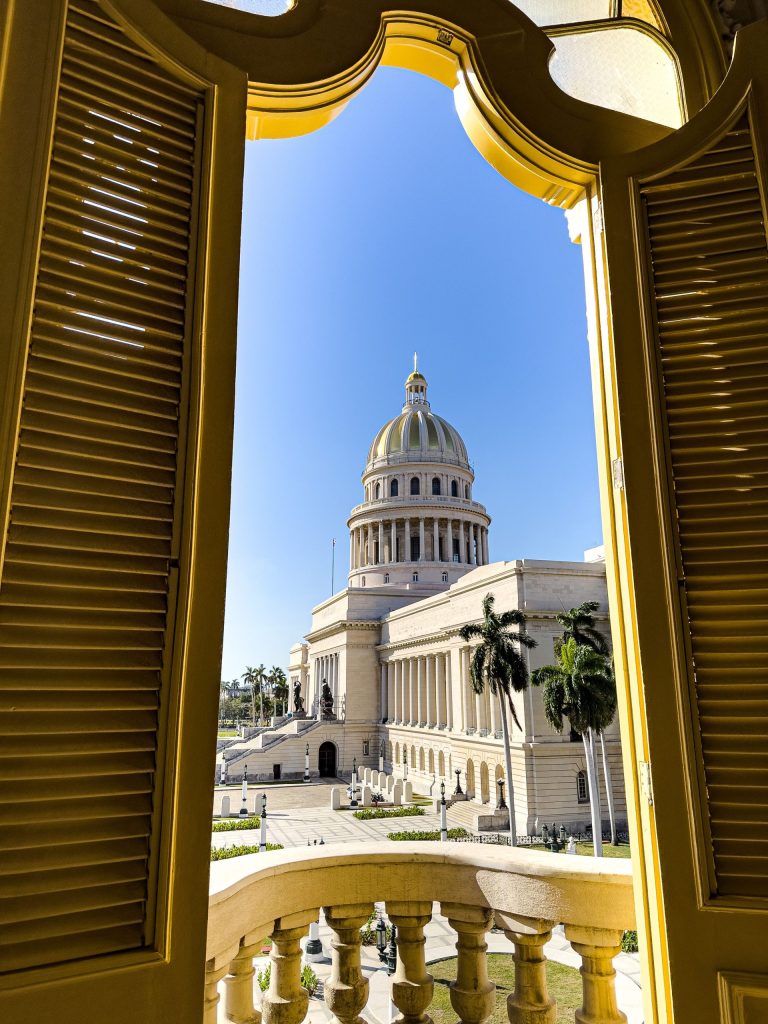

8. Grand Cinemas Frozen in Time

Havana was once home to some of the grandest cinemas in Latin America. Many still stand today, even if they are faded, closed, or only partly functioning.
Their facades tell a story of a city that once rivaled major cultural capitals for film, music, nightlife, and glamour. Even if you do not go inside, walking past them gives you a different view of Havana’s history.
Local tip: Look for old cinema buildings around Centro Habana and Vedado.
9. Baseball: Cuba’s Real National Conversation
In Cuba, baseball is not just a sport. It is a language.
If you get the chance to watch a game or even listen to locals argue about teams, take it. Baseball conversations can tell you more about Cuban personality than a museum label ever could.
Local tip: Ask someone who their team is. Then prepare for a long answer.
10. Domino Games on the Street
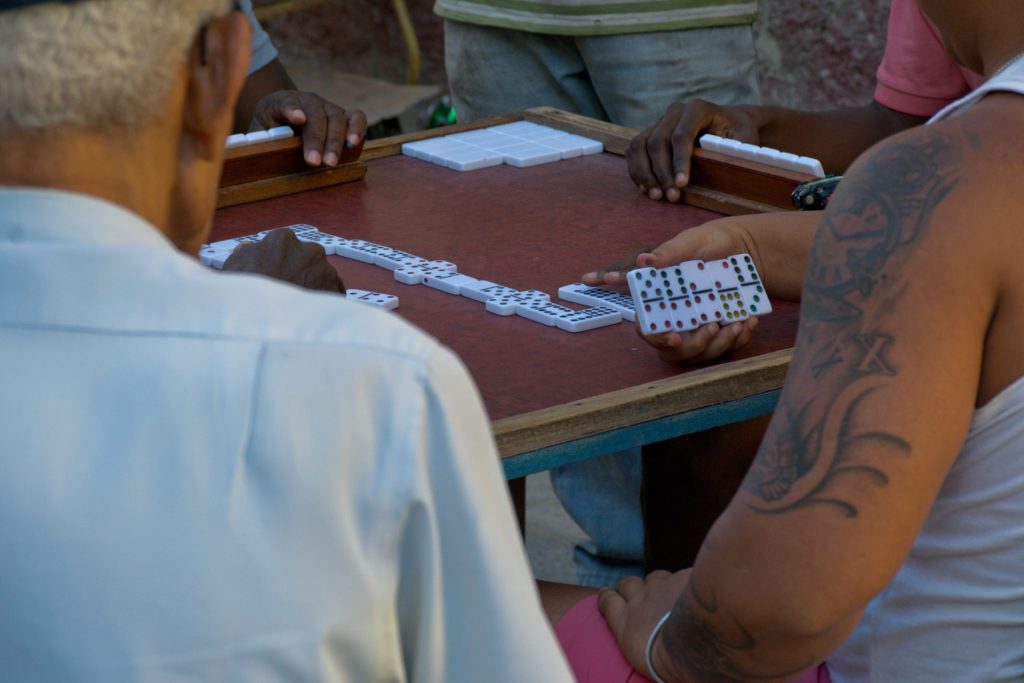
Few things feel more Cuban than a serious domino game.
You will see players in parks, outside homes, on corners, and in neighborhood gathering spots. The game matters, but the real show is the conversation around it: jokes, arguments, commentary, and the kind of social rhythm that makes Havana feel alive.
Local tip: Watch first. If invited, join. If not, enjoy from a respectful distance.
11. Follow the Sound of Music
One of the best things to do in Havana is ignore your map for a while. Follow music instead.
A guitar from a balcony. A rumba rhythm in an alley. A band warming up in a bar. A singer practicing behind an open door. Some of Havana’s best moments are not scheduled.
Local tip: The best music is not always in the loudest tourist bar.
12. Fabrica de Arte Cubano
Fabrica de Arte Cubano, or FAC, is not exactly unknown anymore, but it still belongs on this list because it shows a modern, creative side of Havana many visitors miss.
It mixes art, live music, design, photography, cinema, drinks, and nightlife inside a former factory. It feels young, restless, and very different from the vintage Cuba cliche.
Local tip: Check opening nights before you go. It is not open every day.
13. Coppelia: Ice Cream, Queues, and Cuban Chaos
Coppelia is more than an ice cream shop. It is a Havana institution: part dessert stop, part social ritual, part lesson in Cuban patience.
The experience can be confusing, crowded, and imperfect, but that is also why it is interesting.
Local tip: Go for the experience, not luxury. This is local Havana, not a polished dessert bar.
14. Learn Cuban Cooking From Locals
Eating Cuban food is one thing. Learning how it is made is another.
A home cooking class or private kitchen experience can show you the stories behind ropa vieja, black beans, rice, tostones, and the small improvisations Cuban families use every day.
Most of these sessions are informal, arranged directly through a casa particular host or a paladar owner rather than booked through a dedicated culinary school. Expect two to three hours, a small group, and a menu built around whatever is fresh that day. You will usually pay for the ingredients and the host’s time directly, and you leave having eaten everything you helped cook.
Local tip: Choose a class hosted in a home or paladar, not only a tourist kitchen.
15. Take a Cuban Cocktail Class
Everyone knows the mojito. Most visitors leave without learning how to make one properly.
A cocktail class can teach you the history behind mojitos, daiquiris, Cuba Libre, rum culture, and the small details that separate a good drink from a tourist trap version.
These sessions usually run out of a bar, paladar, or casa rather than a dedicated academy, and most last an hour or two. Expect a short history lesson alongside the hands-on part, covering rum styles, why the mint matters in a proper mojito, and how a Cuba Libre actually differs from a rum and Coke, plus a few drinks to taste at the end.
Local tip: Ask about drinks beyond the mojito. Cuba has more range than most visitors realize.
Best Havana Hidden Gems by Neighborhood

If You Only Have One Day
Fifteen hidden gems is a lot to fit into a short trip. If you only have one day to spend beyond the obvious sights, here is one way to string a handful of them together without doubling back across the city.
Quick note from a local: Cuba runs on cash — don’t count on cards working outside large hotels. Bring USD or euros to exchange on arrival, and budget for tourist prices that are often quoted separately from local prices. International data may not work reliably. Opening hours at museums, paladares, and venues like FAC can change without notice. Build in flexibility, and embrace it: the unpredictability is exactly what makes Havana feel alive.
Tips for Exploring Hidden Havana Respectfully
For practical planning before you go, read my Cuba travel tips and safety guide on is Cuba safe for tourists.
FAQ: Havana Hidden Gems
What are the best hidden gems in Havana?
The best hidden gems in Havana include Callejon de Hamel, Fusterlandia, Centro Habana, Vedado’s residential streets, local paladares, rooftop bars, the Malecon at sunrise, grand old cinemas, baseball games, and neighborhood domino games.
What is the most authentic neighborhood in Havana?
Centro Habana is one of the most authentic neighborhoods in Havana for everyday street life, local food, music, and residential culture. Vedado is also excellent for a more local, lived-in side of the city.
Is Centro Habana safe for tourists?
Centro Habana is generally safe during the day if you stay aware, avoid flashing valuables, and use common sense. It is less polished than Old Havana, so explore respectfully and avoid wandering alone late at night.
Is Callejon de Hamel worth visiting?
Yes, Callejon de Hamel is worth visiting for Afro-Cuban art, murals, sculpture, and rumba culture. Sunday is the most popular day because of live rumba, but it can also be crowded.
Where can I find local food in Havana?
Look for paladares and small food windows in Vedado, Centro Habana, and Miramar. Ask your casa particular host for current recommendations instead of relying only on tourist-area restaurants.
What should I do in Havana beyond Old Havana?
Beyond Old Havana, explore Centro Habana, Vedado, Fusterlandia, Callejon de Hamel, the Malecon at sunrise, rooftop bars, FAC, local paladares, baseball culture, and neighborhood music spots.
How many days do I need in Havana?
You need at least three days in Havana to see the main sights and explore beyond the tourist trail. Four or five days is better if you want hidden gems, local food, music, and slower neighborhood wandering.
What is the best non-touristy thing to do in Havana?
One of the best non-touristy things to do in Havana is spend time in Centro Habana or Vedado without a strict plan: drink coffee from a ventanita, watch domino games, follow live music, and talk to locals when the moment feels natural.
Final Thoughts
The best version of Havana is not always the one you will find in a guidebook.
It is the conversation that starts while waiting for coffee. The tiny paladar hidden on a residential street. The domino game that somehow becomes an afternoon. The music drifting from an open doorway that makes you change direction.
Yes, see the landmarks. Walk through Old Havana. Take the photos.
But leave room for the unexpected too.
Because the real magic of Havana is not only in the places you plan. It is in the moments you almost missed.