
Colombia’s coffee region is best planned as a route rather than a single stop. Salento, Filandia, Armenia, Pereira, coffee farms, and the Cocora Valley each require different transport and timing. This guide lays out practical three-day and five-day itineraries, where to base yourself, what to book, and how to choose a coffee experience that teaches you more than a quick tasting.


Colombia / Eje Cafetero / Region guide · 14 min read
A working landscape first, a destination second.
The wax palms are the tallest in the world and the coffee is mostly exported. Three to five days, and the right questions at the finca gate.
What the Eje Cafetero actually is
A working landscape first, a destination second
The first thing you notice in the Eje Cafetero is the smell. Before the jeep rounds the last corner into Salento, before you see the wax palms in the Cocora Valley, before any of the landscapes that have made this region famous — the air changes. Cool, damp, carrying the specific green weight of coffee growing at altitude in Andean cloud forest. If you've been in Medellín or Cartagena first, the quiet hits you almost as hard as the smell. This is where Colombia actually comes from — the agriculture, the landscape, the culture that existed before anyone exported the cities' reputations abroad.
The Eje Cafetero — the Coffee Axis — is usually described through Quindío, Risaralda and Caldas. The UNESCO-listed Coffee Cultural Landscape of Colombia, inscribed in 2011, also includes areas of northern Valle del Cauca. The everyday travel circuit and the heritage designation are not identical. This Colombia coffee region guide focuses on Salento, Cocora, Filandia and practical connections through the main towns.
This Colombia coffee region guide covers how to actually do it: choosing a base, planning the hikes and leaving enough time for the coffee.
A working landscape first
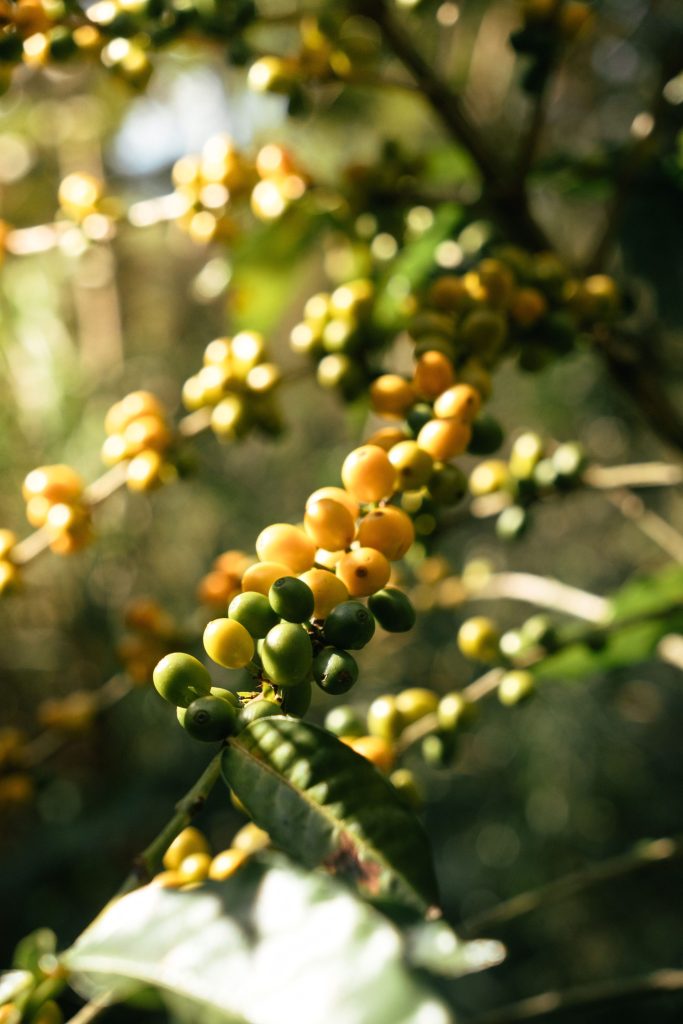
 Cherries ripening on the branch
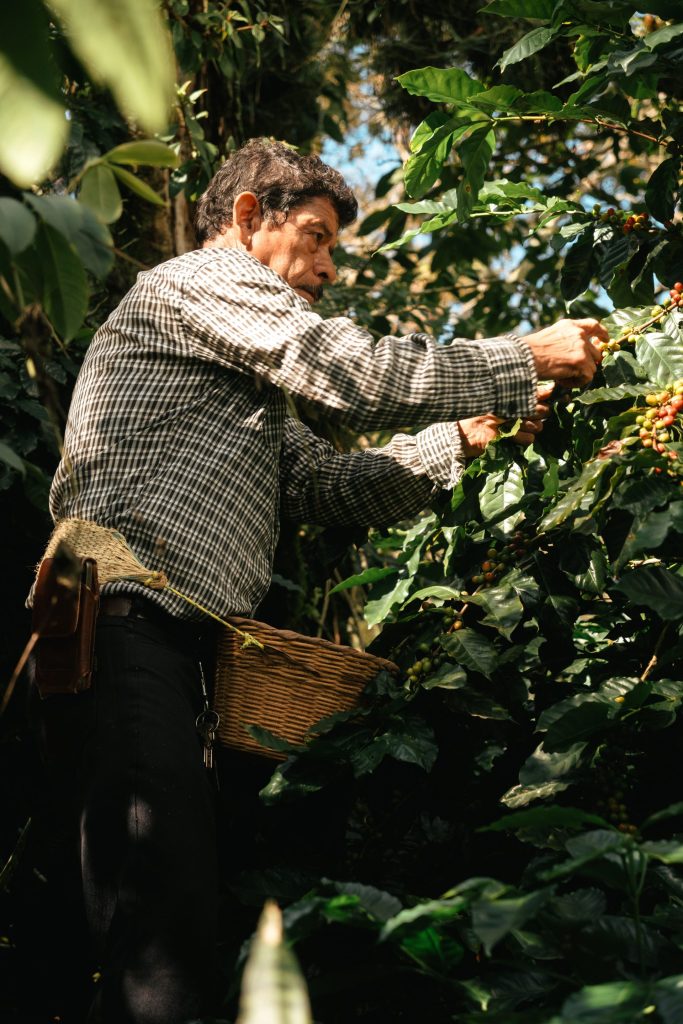
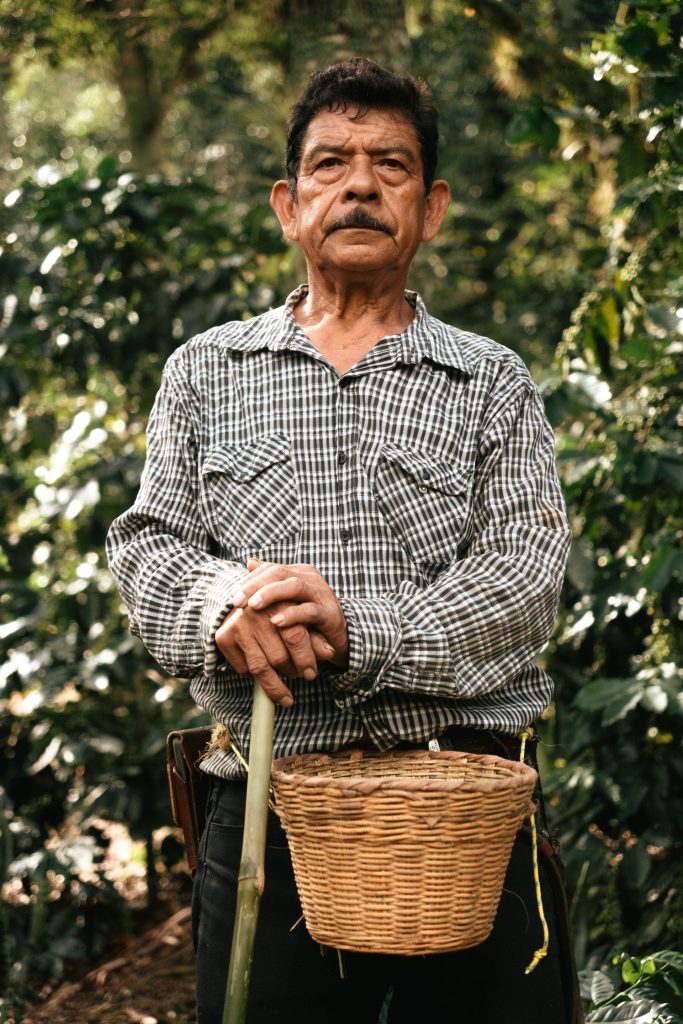
 The grower, and the basket he picks into
 The road the jeeps take out to the palms
The Eje Cafetero isn't one town or one attraction. It's a landscape — endless green hillsides blanketed in coffee shrubs, cut through by deep valleys, punctuated by colonial towns painted in colors that seem unlikely until you're standing in them. The terrain is at between 1,200 and 2,200 meters altitude, which gives it a permanently temperate climate (think: the good version of "cool and sometimes misty") and the conditions that produce high-quality arabica coffee.
The anchor destinations:
The four anchor destinations
Salento — Quindío · the gateway
The most visited town in the region and it earns it: a compact painted colonial center, and the jeeps to Cocora leaving from the plaza.
Filandia — Quindío · the alternative
Quieter, less visited, equally photogenic. Genuinely recommended as a base rather than a day trip.
Manizales — Caldas · the northern hub
The capital of Caldas and one of the access hubs for Los Nevados. A working city with a different rhythm from Salento.
Pereira — Risaralda · the airport
The most connected hub in the region. Important for arrivals and departures, not a destination in itself.
Salento: the gateway
The most visited town, and it earns it
Salento
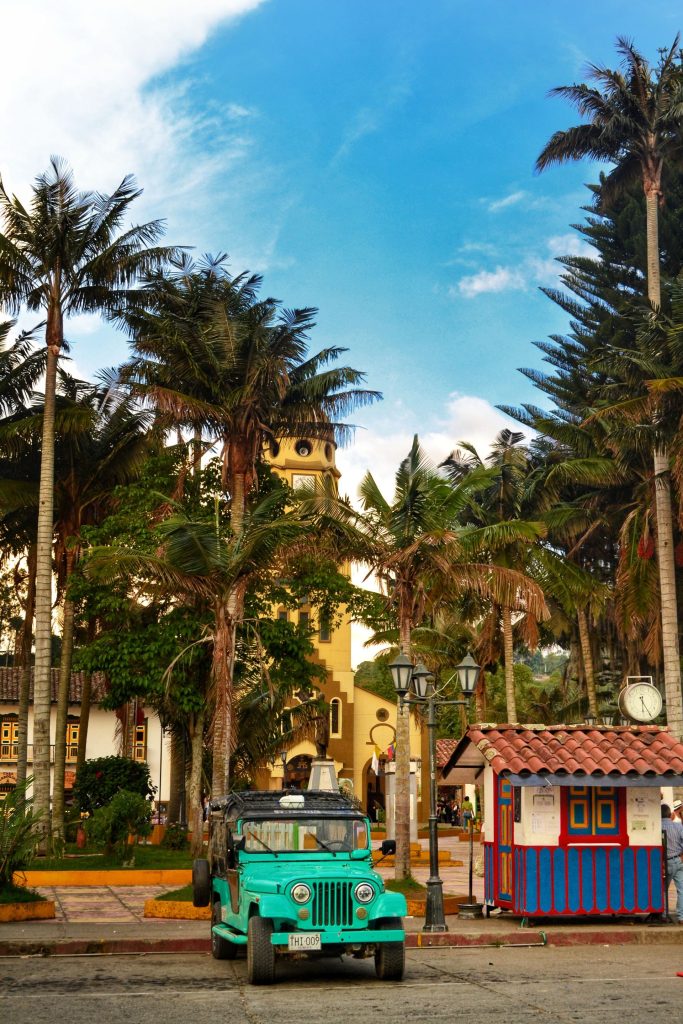 The Willys jeeps that leave from the plaza
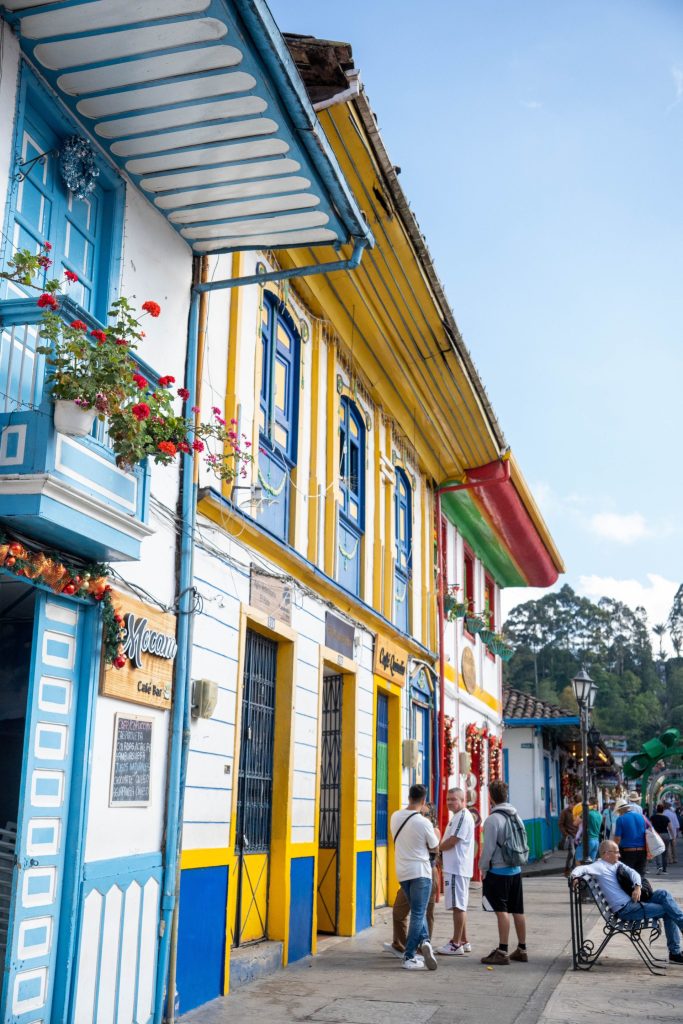 Calle Real, painted the whole way up
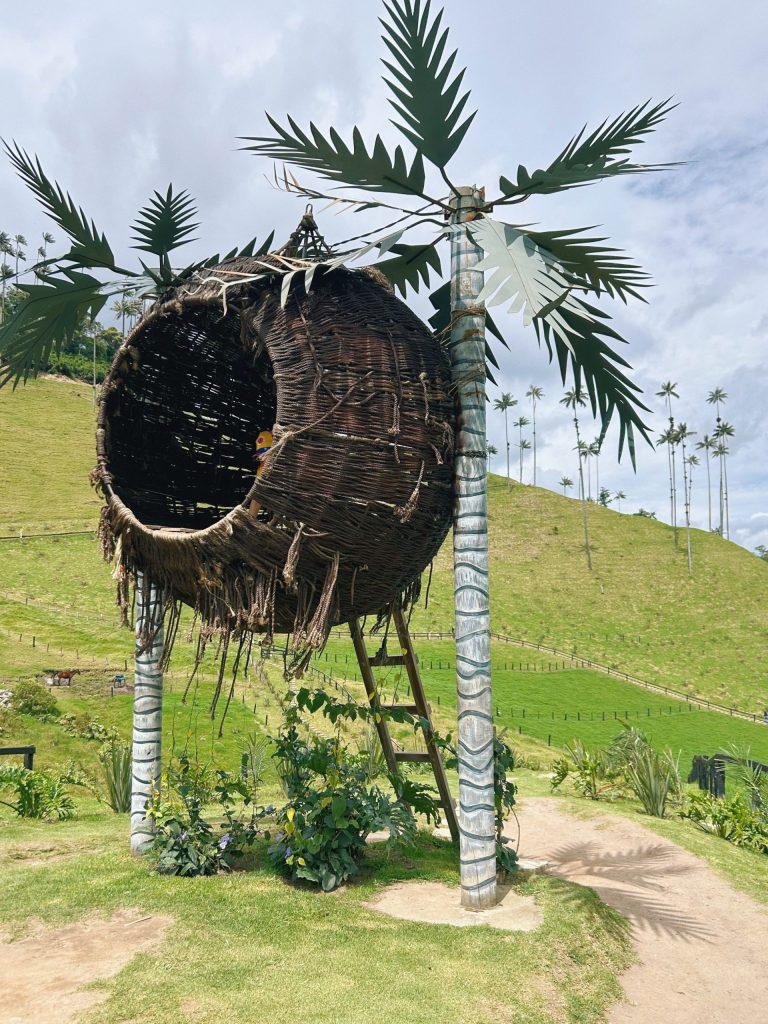 And the viewpoint above the town
Salento is the most visited town in the Eje Cafetero, and it earns it. A compact colonial center painted in bright colors, the central Primer Parque ringed by cafés and tiendas selling local artisan goods, the famous Calle Real lined with coffee shops and craft stores — all of it walkable, all of it genuine rather than manufactured for visitors.
Follow Calle Real uphill to the viewpoints above Salento before breakfast, when cloud moves through the valley and the mountains occasionally appear through gaps in the mist. Wear shoes with grip for the steps and take the climb at your own pace.
After the viewpoint, walk Calle Real slowly: buy a cup of freshly brewed local coffee from one of the small tiendas rather than the more designed coffee shop experiences, try the chontaduro (a palm fruit sold in Colombia, eaten with salt and honey from street vendors), and let the town work at its own pace before the day-trip crowds arrive around 10am.
On where to sleep and eat: central Salento is compact, but location still matters. Check recent reviews for noise near the plaza and ask how far an outlying finca is from transport. Trout is a local menu staple; compare posted prices and what is included rather than judging a restaurant by the language of its menu.
Valle de Cocora: the reason people come
Wax palms, and a walk that deserves respect
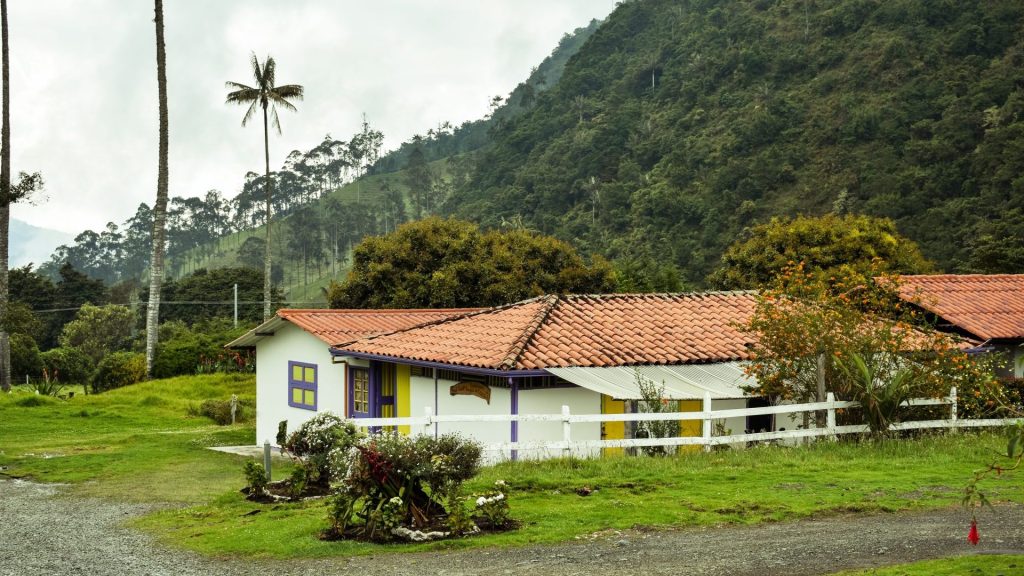 The Valle de Cocora — the wax palms are the tallest in the world, and the weather changes fast.
The Valle de Cocora is reached from Salento by Willys jeep; confirm the current fare and last return departure at the plaza before setting out. It is one of the most surreal natural landscapes in South America. Above the green valley, wax palms rise like misplaced exclamation marks. Colombia’s national tree can reach 60 meters, as described by Colombia’s official tourism guide. The palms appear and disappear as cloud moves through the hills.
The hike: choose between a shorter visit to the palm viewpoints and a longer forest circuit. Acaime is an additional forest excursion, not the default short palm walk. Ask locally which trails and bridges are open, the fees along your chosen route and a realistic return time. Conditions, detours and walking pace make a fixed distance or duration unreliable.
Two ways to walk it
Shorter outing · choose your route —
Acaime is a separate forest detour, not included by default.
Longer forest circuit · confirm access —
Requires suitable fitness, footwear and enough daylight.
Go early enough to leave a generous margin for the return. If you want to include Acaime, confirm that it is open and account for the detour before committing to a longer circuit. A misty view is part of the appeal; a late return with no transport is not.
What to order in the valley: the restaurants at the entrance serve fresh-caught trout (trucha) from the mountain streams that run through the valley floor — grilled, fried, or baked, with patacones and rice. The trout in the Eje Cafetero is genuinely the best in Colombia, raised in cold mountain water at altitude, and available for lunch in Cocora for a fraction of what it costs at a restaurant in Medellín or Bogotá.
Bring waterproofs, a warm layer, drinking water, snacks and footwear with grip that you have already walked in. Carry cash in small denominations and keep enough for the return journey. Check the forecast and trail conditions; avoid relying on footwear rental being available or suitable.
Farm tours: how to choose one
Picking, pulping, fermenting, drying, roasting, cupping
The whole chain, not a novelty
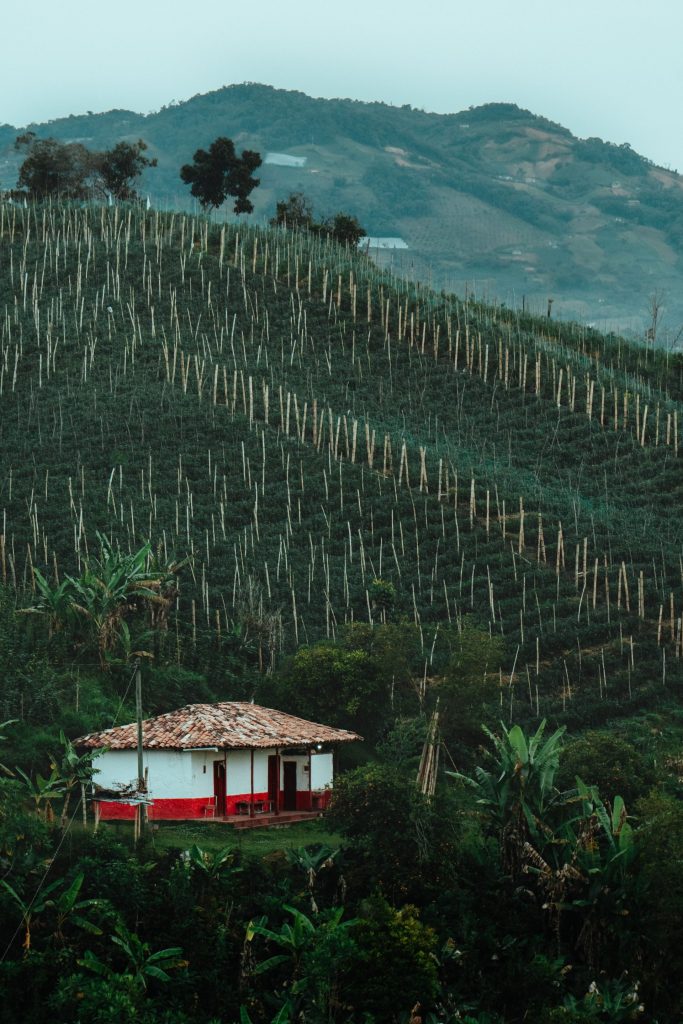 Coffee planted up the hillside
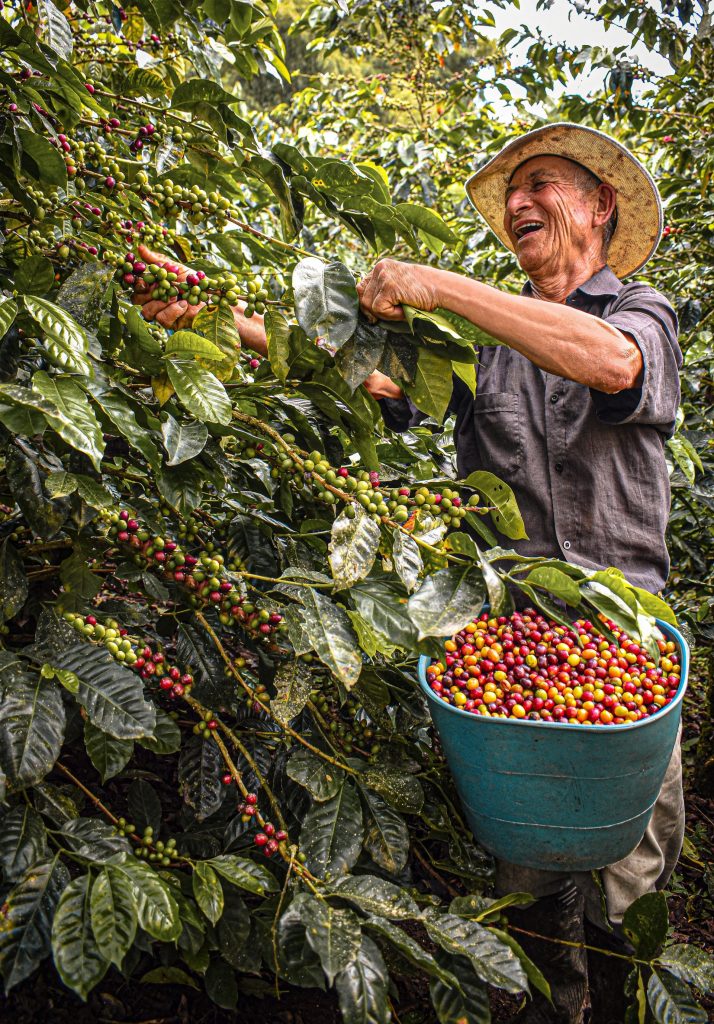 Picking, which is the part that is actually hard
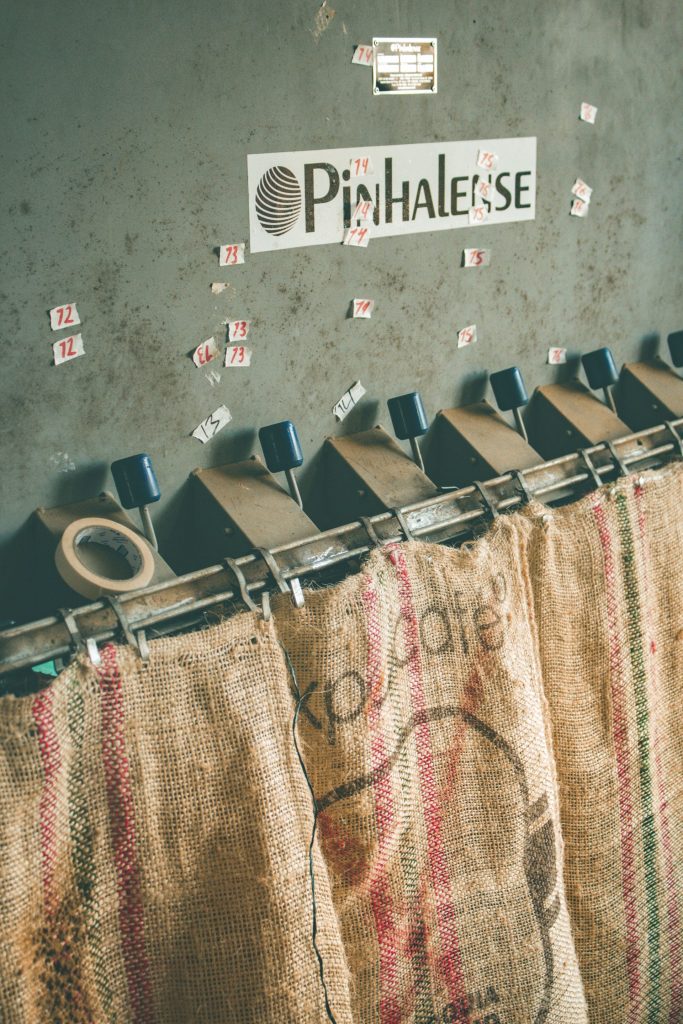 And the sacks it leaves in
A coffee farm tour in this region isn't a novelty experience — it's an access to the full process of how the coffee you drink every morning actually gets from the ground to your cup, done by people who have been doing this for generations.
Finca El Ocaso, Don Eduardo and Las Acacias are options to investigate around Salento. Compare the actual experience rather than assuming every farm includes the same stages or languages. El Ocaso’s official tour menu distinguishes traditional, brewing, roasting and premium experiences; confirm availability and inclusions with the chosen finca.
When to visit for the harvest experience: timing varies by farm, altitude and weather. Colombia’s coffee harvest is spread across different regions through the year; that does not guarantee ripe cherries on a particular slope on your dates. Ask the finca whether picking is part of the booked tour.
A practical note on quality: the best coffee in the region is often not what's sold to tourists in the prettiest packaging. Ask at the farms for the single-origin lots they keep for direct sales rather than export or blending. The price will be higher; the quality difference will be worth it.
Before booking, ask how much time is spent in the fields, which processing stages you will see, whether roasting or cupping is included, the tour language and group size. A shorter introduction and a specialist tasting serve different interests; choose the one that fits yours.
Three fincas worth comparing
When the picking actually happens
Ask the finca — Main crop timing
Harvest timing depends on the farm and the season; confirm before booking for picking.
Ask about mitaca — Mitaca
A secondary crop may offer another picking window, depending on location and conditions.
Everything else — Still worth going
Tours vary in scope. Ask what will actually be operating on your visit.
Filandia: the alternative that is worth it
The same architecture, a fraction of the crowd
Filandia
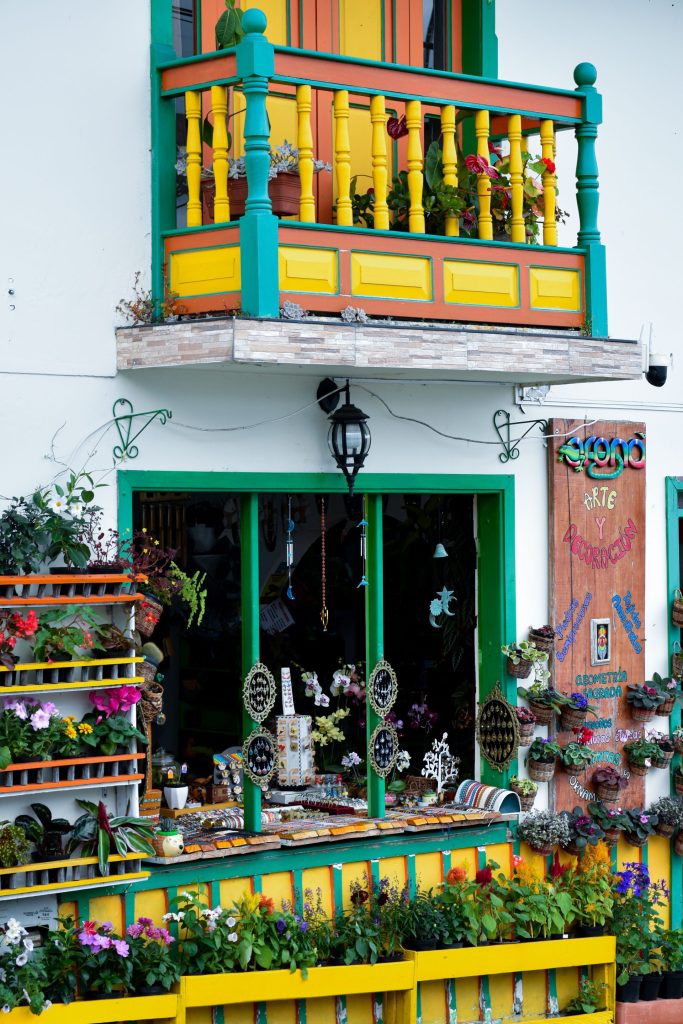 The balconies, without the queue to photograph them
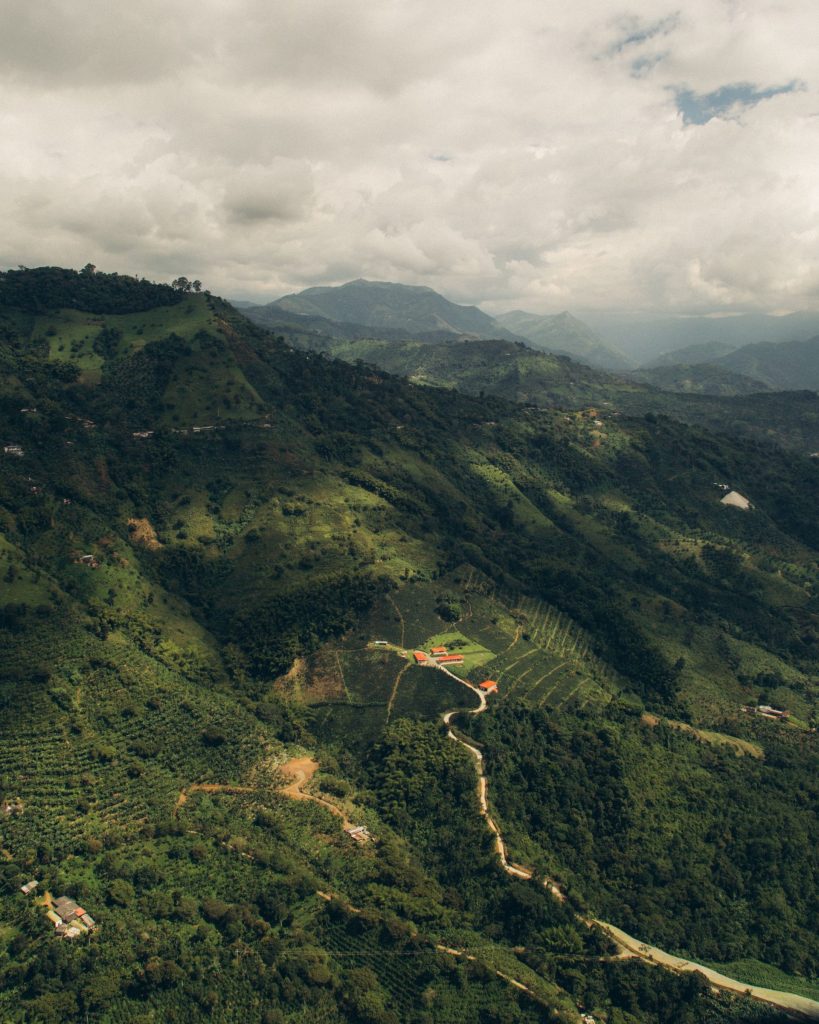 The road in, through the hills
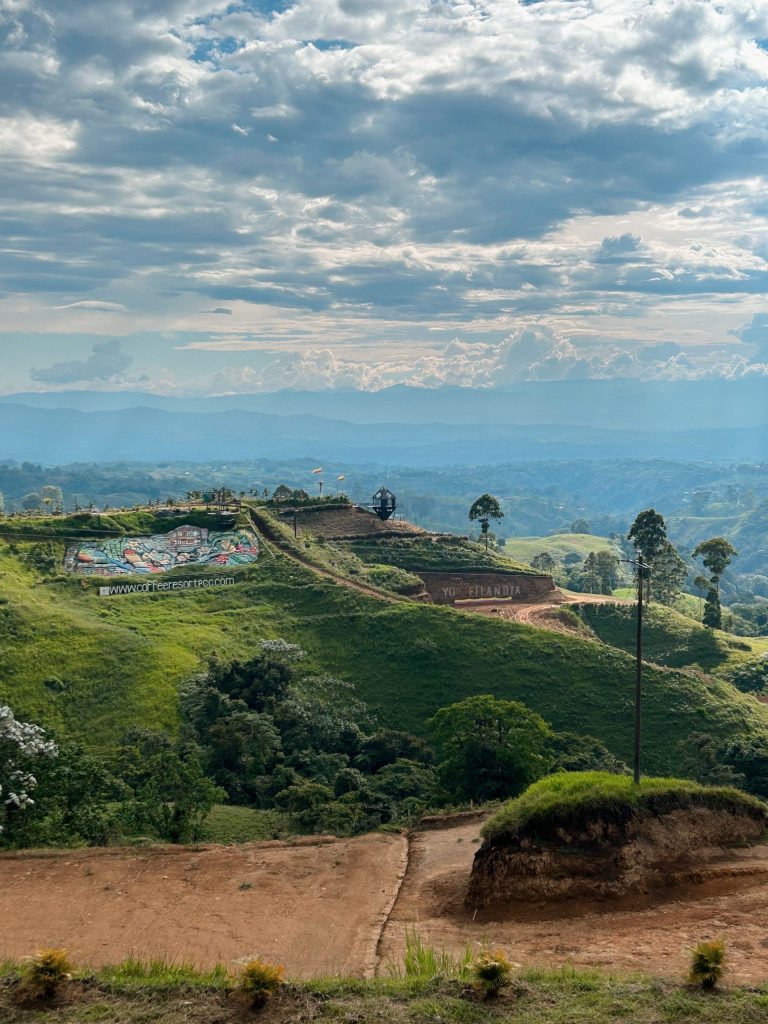 And the view the tower was built for
Filandia is about 15 kilometers north of Salento and shares the same Andean landscape and colonial-town architecture, with fewer visitors, slower pace, and a specifically authentic Paisa culture that hasn't been adjusted for tourist volume.
The Mirador Colina Iluminada viewpoint tower above the town gives a 360-degree view over the coffee region — rolling green hillsides, the Andes stretching in every direction, the occasional cloud formation moving through the valleys below. The town's Calle Real has artisan workshops and family restaurants serving local food at local prices. It's quieter on weekdays and genuinely quiet on weekday mornings.
Filandia is worth considering if you prefer its atmosphere, but Cocora access adds a transfer. Compare door-to-door transport from your accommodation before choosing it as a hiking base.
Salento and Filandia make a natural pairing, but travel time depends on the road route, departure point and service. Confirm the current direct jeep or bus options locally and keep a return buffer. A straight-line distance is not a transfer estimate.
Which town to base yourself in
| Town | Department | Go for | Pace | Stay here if |
|---|---|---|---|---|
| Salento | Quindío | Cocora access and the postcard version | Busy, especially weekends | You want everything inside a ten-minute walk |
| Filandia | Quindío | The same look with a fraction of the crowd | Slow; genuinely quiet on weekday mornings | You would rather have the town to yourself |
| Manizales | Caldas | Los Nevados and the volcanic landscape | A working city, not a village | You are heading up to the páramo |
| Pereira | Risaralda | The airport and the onward connections | Transit | You are arriving or leaving, not staying |
| Jardín | Antioquia | The unhurried mountain town further north | Very slow | You have a week and some patience with the roads |
The Eje Cafetero, mapped
Santa Rosa de Cabal: a separate day trip
Not in Cocora, and not a beach spa
 Santa Rosa de Cabal — cloud forest, cold air and warm mineral water, on its own transfer.
The hot springs are near Santa Rosa de Cabal in Risaralda, a separate excursion from Cocora Valley. Thermal pools and waterfalls sit in a green mountain setting. Check the operator’s official location, booking options and transport information; budget for the complete journey from your accommodation.
Getting there and getting around
Two airports, and the jeeps once you arrive
By air: compare flights into Pereira (PEI) and Armenia (AXM) for your actual dates, then price the onward journey to your accommodation. Routes and frequencies change, and the cheapest flight is not always the simplest arrival.
From Pereira or Armenia to Salento: confirm where the bus departs, how to reach the terminal from the airport and the last departure. Allow extra time for traffic and connections; arrange a licensed transfer if arriving after public services finish.
Within the region: Willys jeeps are a characteristic local transport option, including for Cocora. They are distinct from the larger chiva buses. For several towns in one day, compare current public services with a pre-booked driver rather than assuming every connection runs all day.
How you actually arrive
Pereira (PEI) — Best connections
Compare current flight schedules and the full onward transfer before booking.
Armenia (AXM) — Closer, smaller
Compare the available flights and the actual road transfer to your chosen accommodation.
Bus or colectivo — Pereira to Salento
Check current terminal departures and allow for the airport-to-terminal connection.
Jeep Willys — Once you are there
Willys jeeps from the plaza; confirm fares, seats and return departures locally.
How long to stay
Three days minimum, five is the sweet spot
Three days minimum for a focused Salento + Cocora Valley experience. Five days to add Filandia, a coffee farm tour, and the hot springs. A full week to explore beyond the core circuit into the smaller towns and higher altitude zones near Los Nevados.
Don't try to do the Eje Cafetero in a day trip from Medellín. The distance works technically, but you'll spend more time in transit than in the landscape.
How many days it takes
3 days — The minimum
Salento and the Cocora Valley, done at the right pace rather than rushed through.
5 days — The sweet spot
Add Filandia, a coffee farm tour and the thermal springs at Santa Rosa de Cabal.
7 days — The full run
The smaller towns, Los Nevados, and early mornings out with a birding guide.
1 day from Medellín — Don’t
The distance works on paper. You will spend more of it in transit than in the landscape.
Birdwatching: the underrated reason to come
A destination in its own right
Birdwatching adds another reason to stay in the Colombia coffee region. Habitats change between towns, farms and higher forest, so choose a guide and location around the birds you hope to see. A regional species total does not predict the sightings on one morning’s walk.
For dedicated birders, ask a specialist guide about suitable sites and current access before choosing a base. For casual visitors, take binoculars, stay on marked paths and give wildlife space. If Acaime is on your plan, confirm its opening and the extra walking involved; species and sightings are never guaranteed.
Plan a birdwatching outing
Ask your guide which species and habitats fit your chosen route.
Confirm Acaime access before including it in a longer forest walk.
Carry binoculars and keep a respectful distance from birds and nests.
Best odds with a specialized guide and a start before first light in the Cocora Valley.
Birding is the reason a number of visitors treat the Eje Cafetero as a destination in its own right rather than a stop between Medellín and Bogotá.
The towns beyond Salento
Where the extra planning pays
Most visitors to the Eje Cafetero see only Salento. A few specific additions worth knowing:
Jardín (Antioquia, slightly north of the strict Eje Cafetero boundary): a colonial town in the mountains that feels genuinely unhurried and is described consistently by people who've been to both Salento and Jardín as the more authentic alternative. Cable car rides above the town, coffee farms in the surrounding hillsides, a central plaza that functions as a genuine gathering place rather than a tourist strip. Getting there requires a bit more planning from Medellín or the main coffee region transport hubs, which is exactly why it remains quieter.
Manizales, the capital of Caldas, is an access hub for Los Nevados National Natural Park. This is high-mountain travel, not an extension of an easy coffee-farm walk. The national park authority requires a registered guide or operator, with access rules, closures, fees and eligibility varying by sector. Choose an authorized route and confirm current conditions before booking.
Worth the extra planning
Jardín — Antioquia · separate onward stop
Consistently described by people who have seen both as the more authentic alternative to Salento. Cable cars above the town, coffee in the surrounding hills, and a plaza that is still a gathering place rather than a tourist strip.
Los Nevados — Caldas · via Manizales
A high-mountain excursion with sector-specific access rules. Book a registered guide or operator and check closures and eligibility with the park authority.
Santa Rosa de Cabal — Risaralda · plan a separate transfer
Thermal pools and waterfalls in cloud forest. Cold mountain air, warm mineralized water, and no resemblance whatsoever to a beach spa.
The whole point, eventually
 Coffee poured where it was grown
 The pour-over at the end of the chain
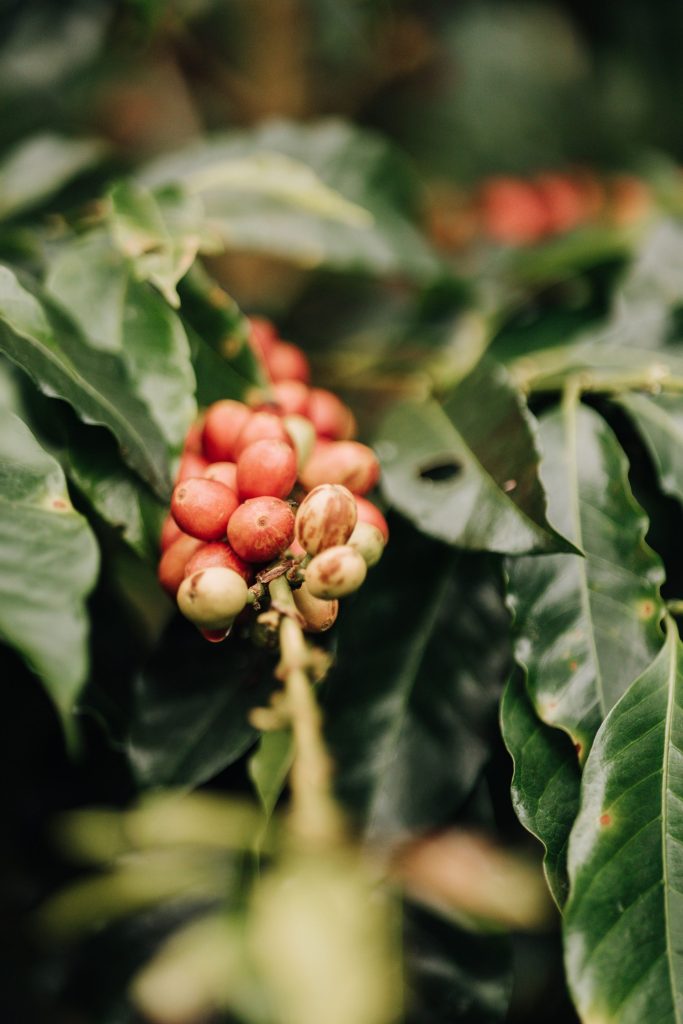 And the cherries it started as
A practical 3 to 5 day plan
Days, costs and the mistakes people make
Day by day
check into Salento or Filandia, explore the town and arrange the next morning’s transport. Keep the arrival day flexible. — Day 1 — arrive and settle in:
Day 1 — arrive and settle in:
plan Santa Rosa de Cabal with a separate transfer, or keep this day for an outing delayed by rain. — Day 5 — hot springs or a weather buffer:
Day 5 — hot springs or a weather buffer:
Costs to check before booking
Price or booking check — El Ocaso traditional tour
El Ocaso traditional tour
COP 60,000 on the official tour menu — El Ocaso brewing or premium tour
El Ocaso brewing or premium tour
El Ocaso’s official prices and tour formats — Termales Santa Rosa’s booking information
Termales Santa Rosa’s booking information
First-visit tips and common mistakes
Leave a weather buffer rather than fixing every outdoor activity to one narrow slot.
Confirm the return journey before starting a walk or visiting an outlying finca.
Carry cash, but do not assume an old blog fare is current.
Ask a farm about language, group size, tasting format and actual picking availability.
Pack layers and rain protection; the hills and higher trails can feel very different from the towns.
For regional precautions, use our and check current . If combining the region with a city stay, compare and our .
Medellín neighborhoods and costs
Medellín sightseeing guide
official tourism, UNESCO, operator and national-park information checked in September 2026. Timetables, access and prices can change; confirm the details that affect your booking.
The bottom line
Go for the palms, stay for the coffee
The Eje Cafetero is the part of Colombia that people who've been to Colombia talk about when they're already planning to go back. It doesn't have the Caribbean beach glamour of Cartagena or the transformation story of Medellín, but it has something those places don't: a landscape and a way of life that feels genuinely rooted in something ancient and specific to this place. The palms are unlike anything else on earth. The coffee tastes like where it comes from. The trout is extraordinary. The mornings are cold and misty and quiet in a way that makes you want to stay longer.
Go for the wax palms. Stay for the coffee. Come back for the trout.
Before you go
How many days do you need in the Colombia coffee region?
Allow three days for a focused first visit with Salento, Cocora and a coffee tour. Four or five days give you room for Filandia, slower travel or a weather buffer.
Is Salento or Filandia a better base?
Salento is the practical starting point for Cocora transport. Filandia is worth comparing for its atmosphere, but check the extra transfers from your accommodation before choosing it for a hiking trip.
What is the best time to visit the Colombia coffee region?
Choose dates around your plans and keep flexibility for rain. If picking coffee is the priority, ask the farm about the crop on your dates rather than relying on one calendar for the entire region.
Can you visit Cocora Valley without doing the long hike?
Yes. Choose a shorter marked palm-viewpoint outing and confirm its current access and fees. Acaime is an additional forest excursion; it is not automatically part of a short visit.
Do you need a car in the Colombia coffee region?
Not necessarily. Plan around available buses, Willys jeeps and pre-booked transfers. A car or driver may simplify multiple stops, but check parking, roads and the full itinerary before deciding.
Which airport should you use for Salento and Filandia?
Compare Pereira (PEI) and Armenia (AXM) for your actual dates. Include the airport-to-terminal or private-transfer journey in the decision, particularly for late arrivals.
Are Santa Rosa de Cabal hot springs in Cocora Valley?
No. They are near Santa Rosa de Cabal in Risaralda and need a separate journey. Confirm the facility and entry booking, then arrange the return transport.
Do you need a guide for Los Nevados?
The national park authority requires a registered guide or operator for entry. Rules and access vary by sector; confirm closures, eligibility, insurance and the authorized route before booking.
Keep going
Sources
Tour formats and prices checked against operators’ own pages in September 2026 — reconfirm before paying · UNESCO — Coffee Cultural Landscape of Colombia (2011) · Federación Nacional de Cafeteros de Colombia · ProColombia — Colombia Travel · Parques Nacionales Naturales de Colombia — Los Nevados access · UK FCDO — Colombia travel advice · US State Department — Colombia advisory · Smartraveller — Australian government advice · CDC — Travelers’ Health · Migración Colombia — entry and stay rules · CIA World Factbook
We will tell you whether we can help and send a written quote before any paid work begins.