Medellín can work well for remote work when the neighborhood, apartment, internet connection, and daily routine match your needs. This digital nomad guide compares the main areas, realistic monthly costs, coworking options, transport, safety, and visa considerations. Use it to judge whether the city fits a short work stay or a longer base in 2026.


Colombia / Medellín / Digital nomads · 12 min read
Book two weeks, not two months, for your first apartment.
El Poblado is the easy first base and the expensive one. The honest numbers, and the neighbourhood most people move to second.
Jump to what you came for
What a month actually costs
Three budgets, and the gap between local and nomad pricing
This Medellín digital nomad guide compares living costs, neighborhoods and coworking options so you can plan a remote-work stay that fits your budget.
Colombia’s digital nomad visa requires proof of income equivalent to three current Colombian monthly minimum wages, shown through bank statements. The peso amount changes when the minimum wage changes. The visa can be issued for up to two years. The city you’d most likely base yourself in has year-round temperatures between 20 and 28°C, fiber internet as the standard in nomad-zone apartments, a metro that actually works, and a coffee culture that could justify the move on its own.
Medellín has become the most talked-about digital nomad destination in Latin America not because someone marketed it effectively, but because the math works and the city delivers on the promise. This guide covers what that actually looks like in practice — including the parts most digital nomad content skips.
The three neighbourhoods, in order of cost


What each budget buys
| Monthly budget | USD per month | What that buys |
|---|---|---|
| Lean setup | $1,200–1,500 | Shared housing, cooking at home, the occasional café |
| Comfortable | $1,800–2,500 | Private furnished apartment, regular dining out, a gym |
| High-end expat | $3,000–5,000 | Premium apartment, regular fine dining |
Furnished rent in 2026
| Rent, furnished (2026) | USD per month | Worth knowing |
|---|---|---|
| El Poblado studio or 1BR | $600–1,200 | Short-term furnished carries a 10–30% premium |
| Laureles studio or 1BR | $400–800 | Flat streets and a genuine neighborhood rhythm |
| Envigado or Sabaneta | $300–600 | Quieter, 10 minutes from El Poblado by metro |
| Shared housing, anywhere | $150–300 | Per room |
Food: a traditional comida corriente (soup, main, rice, beans, juice) at a neighborhood restaurant runs $3-6 USD. Casual restaurant dinner $8-15 USD. Pergamino-level coffee experience $4-6 USD for a specialty drink.
Where to actually live
First two weeks in one place, the rest somewhere else
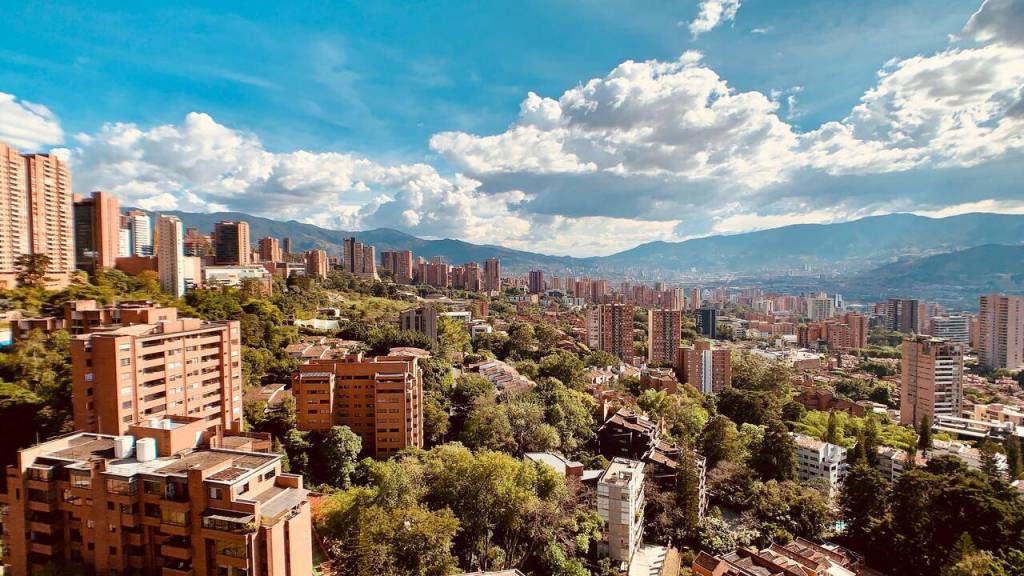 El Poblado — the most convenient month, and the most expensive one.
Every digital nomad guide to Medellín tells you to stay in El Poblado. Here’s what they don’t tell you: most people who stay longer than a month quietly migrate to Laureles.
The three bases compared
El Poblado — Provenza and Manila — $600–1,200
The networking neighborhood: the highest density of coworking spaces, international restaurants, English-speaking environments and other digital nomads. Parque Lleras has the nightlife, Provenza has the café-and-design-studio energy. It is also the most touristy, the most expensive, and the most removed from what Medellín actually is for the people who live here long-term. Best for a first visit, and for the two weeks before you work out where you actually want to be.
Laureles — around Primer and Segundo Parque — $400–800
The neighborhood the local-knowledge guides recommend. Flat streets (a significant advantage over El Poblado’s hills), tree-lined residential character, and a genuine Colombian rhythm — bakeries, family restaurants, cafés where locals actually work. The nomad community is smaller but the quality of daily life is higher, and the $300-500 per month saved on rent is not nothing.
Envigado and Sabaneta — $300–600
Residential municipalities absorbed into the metropolitan area, separate from the city in a technical sense but seamlessly connected by metro. Envigado specifically is recommended by multiple long-term residents as the best value for longer stays — quieter, more family-oriented, and still a 10-minute metro ride from El Poblado.
Medellín: El Poblado, Laureles and Envigado
The digital nomad visa: the actual process
Up to two years, and most people never need it
Colombia created a specific digital nomad visa (a V-type visa) that is genuinely one of the most accessible in the world.
The paperwork
Proof of remote work.
An employment contract, freelance contracts, or company documentation.
Proof of income.
At least three current Colombian monthly minimum wages, documented through bank statements for the previous three months. Check the current peso amount with the Colombian consulate before applying.
Health insurance valid in Colombia.
For the duration of the stay.
Check passport eligibility.
The digital nomad category is for holders of passports exempt from short-stay visas. Check the current official requirements and any additional documents requested for your application.
A valid passport with six or more months remaining.
Standard, but worth checking before you book anything.
Duration: up to 2 years, renewable. Process: apply through the Colombian Foreign Ministry’s Cancillería platform or through the nearest Colombian consulate in your home country. Processing times vary but typically run 4-8 weeks.
Coworking worth knowing
Five options, from café table to structured desk
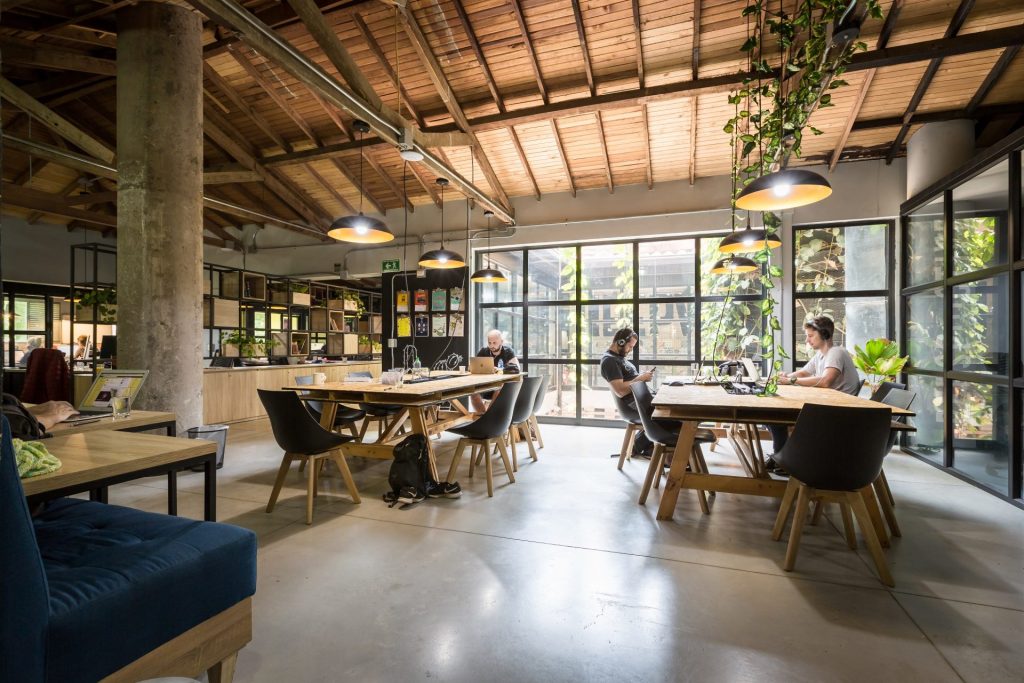 The structured option, for the weeks when a café table stops working.
The working day


Safety as a digital nomad
Two specific risks, not a general warning
The broader security picture is significantly better than Medellín’s reputation suggests. Conditions vary by neighborhood and situation; use the same practical precautions you would for any large city, especially after dark.
The two specific risks
Phone snatching in El Poblado,
specifically around Parque El Poblado and on the streets near the nightlife after midnight. Keep your phone in your pocket on the street, use a bag that closes properly, and take an Uber or InDriver rather than walking out to hail a street taxi after dark.
Scopolamine, “devil’s breath”,
is the more specific risk worth knowing about: a drug used occasionally in nightlife settings that renders victims unable to resist theft. Don’t leave drinks unattended, don’t accept drinks from strangers, and if you feel suddenly strange or confused, tell someone you trust immediately.
Banking and money
Bring the card before you need the account
Bringing a Wise or Revolut card before you arrive is consistently recommended by long-term Medellín nomads — it reduces foreign transaction fees significantly and makes day-to-day spending more manageable. Bancolombia and Davivienda have the most ATMs in El Poblado and Laureles; withdrawal fees run roughly 13,000-15,000 COP ($3.50-4 USD) per transaction from foreign cards.
Opening a local Colombian bank account requires a Colombian cedula (identity card), which requires a visa category that allows long-term residency. Digital nomad visa holders can eventually open local accounts, which eliminates the ATM fee issue for longer stays.
What to know before you go
Altitude, rain, Spanish, and prices that moved
The altitude: Medellín sits at approximately 1,500 meters. Not extreme, but you may feel slightly short of breath on your first day climbing El Poblado’s hills. It adjusts within 24-48 hours for most people.
The rainy seasons: Medellín has two rainy seasons (April-May and October-November), but “rainy” in this context means afternoon showers, not all-day grey weather. The city’s climate genuinely earns its “Eternal Spring” nickname.
Spanish: El Poblado and Provenza are English-friendly enough that you can navigate without Spanish. Laureles and most of the rest of the city require at least basic Spanish for daily life. Learning even a few phrases makes the experience significantly more rewarding.
Life outside the laptop


The 2026 immigration enforcement
What it does and does not mean for you
In 2026, Colombia’s immigration authorities refused entry to or deported more than 60 visitors in a specific crackdown on badly behaved tourists — primarily people who had violated local norms in Medellín, including engaging in sex tourism, public intoxication causing problems, or other conduct that authorities determined was harmful to the community. The crackdown received significant coverage in Colombian media.
This context matters for anyone planning to base themselves in Medellín. The city is actively managing the consequences of its own popularity. Tourism that respects the community is welcomed; tourism that treats the destination as a consequence-free playground is increasingly not. The digital nomad community that has made Medellín its home over the last five years has been, by most accounts, a positive presence — working, integrating into the community, spending at local businesses. The enforcement action was directed at a different category of visitor.
Building community
Arriving without knowing anyone does not last long here
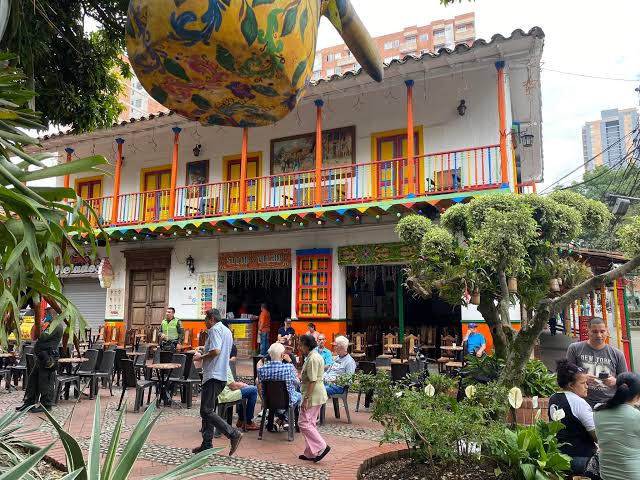 Arriving without knowing anyone does not last long in this city.
One of Medellín’s specific advantages for longer stays is the size and organization of its digital nomad community. Regular meetups, co-working coffee mornings, and organized city tours for newcomers run consistently enough that arriving without knowing anyone doesn’t mean staying that way for long.
The Medellín Living Facebook group and Internations Medellín are two starting points that the existing nomad community consistently recommends for newcomers. MOVE City Tour runs an organized city orientation that’s specifically aimed at new arrivals and covers the neighborhoods, transport, and practical city knowledge that saves weeks of figuring it out independently.
Before you fly
Get a Wise or Revolut card before you fly.
It removes most of the foreign transaction cost from daily spending.
Book two weeks, not two months, for your first apartment.
You will want to move neighborhoods once you have walked them.
Search Fincaraíz and Metrocuadrado, not just the international platforms.
A 30-50% rent reduction is consistently achievable.
Learn enough Spanish to order, ask and apologise.
El Poblado does not require it. The rest of the city does.
Visa source: Colombian Foreign Ministry Resolution 5477, checked September 2026.
The bottom line
Laureles, the Wise card, and your phone off the table
Medellín in 2026 is genuinely one of the best places in the world to work remotely — not because the hype says so, but because the infrastructure, the cost, the climate, and the quality of daily life stack up when you look at them honestly. The digital nomad visa is the most accessible in Latin America. The internet is fast. The coffee is exceptional. The food is excellent.
Do all of that, and you’ll probably extend your stay.
Before you go
QHow much does it cost to live in Medellín as a digital nomad?
A lean setup — shared housing, cooking at home — runs $1,200-1,500 USD a month. A comfortable one, with a private furnished apartment and regular dining out, runs $1,800-2,500. High-end expat living is $3,000-5,000.
QWhat does Colombia’s digital nomad visa require?
Proof of remote work, proof of income equal to at least three current Colombian monthly minimum wages shown through three months of bank statements, health insurance valid in Colombia and an eligible passport with six or more months remaining. Check the official requirements for your nationality and application. It can be issued for up to two years.
QDo you need the nomad visa for a short stay?
Usually not. US, Canadian, UK and EU passport holders enter visa-free for up to 90 days as tourists, extendable to 180 days per year. Many nomads never apply for the digital nomad visa at all.
QShould you live in El Poblado or Laureles?
El Poblado for a first visit and the coworking community; Laureles for anything longer. Laureles has flat streets, a genuine neighborhood rhythm and rents $300-500 per month lower. Envigado and Sabaneta are cheaper again and 10 minutes away by metro.
QHow fast is the internet in Medellín?
100-300 Mbps is standard in nomad-zone apartments, and fiber is the rule in newer buildings in El Poblado and Laureles. Connectivity is not a problem for remote work in those neighborhoods.
QIs Medellín safe for digital nomads?
Broadly yes, with two specific risks: phone snatching around El Poblado nightlife after midnight, and scopolamine used in nightlife settings. Keep your phone in your pocket, never leave a drink unattended, and use Uber or InDriver at night.
QWhich coworking spaces are worth it in Medellín?
Pergamino and Co-Work Latam in El Poblado; 71Haus Blunch and Semilla in Laureles, which the local nomad community rates higher for actually getting work done. Impact Hub runs the more traditional format with events.
QCan a digital nomad open a Colombian bank account?
Eventually. A local account requires a Colombian cedula, which requires a visa category allowing long-term residency. Digital nomad visa holders can get there, which removes the 13,000-15,000 COP ATM fee per withdrawal.
How should you plan your first week as a Medellín digital nomad?
Book a short initial stay, walk El Poblado and Laureles, test your work setup during your actual call hours and try a coworking day pass before committing to a monthly plan. Choose the neighborhood after you have experienced its hills, noise and commute.
What should you check before renting a Medellín apartment for remote work?
Ask for a recent speed test taken inside the apartment, check the desk and chair, confirm building rules and read the full rental terms. Test video calls and keep a mobile-data backup before committing to a long stay.
Keep going
Sources
Costs are planning estimates rather than live quotes — rents move with season, lease length and the peso · Cancillería de Colombia — visa categories and requirements · Migración Colombia — entry, stay and extensions · ProColombia — Colombia Travel · Metro de Medellín · Medellín’s official city tourism site · UK FCDO — Colombia travel advice · US State Department — Colombia advisory · Smartraveller — Australian government advice · CDC — Travelers’ Health · CIA World Factbook
We will tell you whether we can help and send a written quote before any paid work begins.