

Portugal / Porto / Restaurants · 16 min read
The best restaurants in Porto are not the ones with the view.
Where to have the francesinha properly, why lunch in a tasca beats dinner anywhere, and the two neighbourhoods that earned the city its reputation.
Know This First
Book the named dining rooms, walk into the tascas, and take the main meal at lunch.
I didn't plan to order the francesinha twice in Porto. The first time was research; the second time was a Tuesday evening when I'd walked too far for too long and it was there and it was the right choice in the specific way that only makes sense in the context of a particular city's food culture. The francesinha — layers of cured meat and steak between bread, under melted cheese and a spiced beer-and-tomato sauce — is Porto's least exportable food experience, which is part of why it's the most worth having here.
Porto's food scene is smaller and more concentrated than Lisbon's, and organized differently. The city eats more practically — heavy lunch, lighter dinner, the tasca as the primary vehicle for good, affordable cooking — and the restaurants that have gained international recognition in the last decade have done so by going deeper into northern Portuguese tradition rather than away from it.
The best restaurants in Porto are not the ones with the view. Eat the francesinha once, properly, at a place that makes its own sauce. Take your main meal at lunch in a tasca, where a plate of honest northern cooking costs a fraction of the same food at dinner. Keep the evenings for Cedofeita and Bonfim, where the kitchens that earned Porto its recent reputation actually are.
Book the well-known dining rooms, walk into the tascas. Cross the river to Vila Nova de Gaia for port rather than for dinner. And do not plan a Sunday around the Mercado do Bolhão: it closes on Sundays and public holidays.
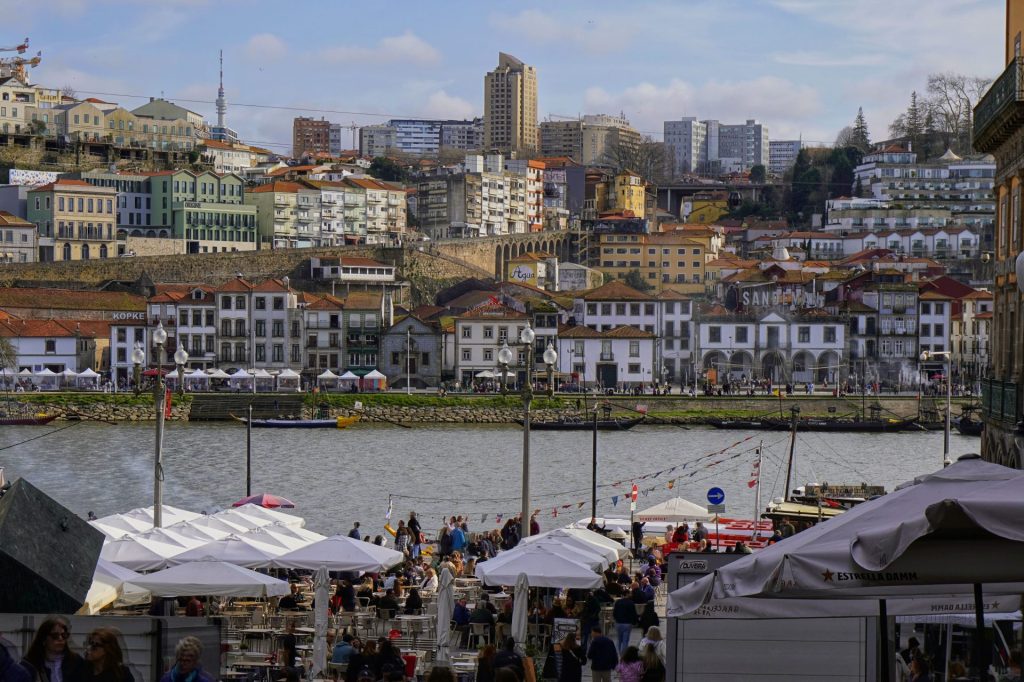
Porto eats earlier than you expect
Where the city actually eats

 Prawns and seafood rice, at tasca prices
 The Bolhão hall, restored and working again
The Francesinha: Where to Have It Properly
A full meal and then some. Two people splitting one with chips is a completely normal order.
The francesinha debate in Porto is essentially: which neighborhood restaurant makes the sauce correctly? The sauce is the whole game — a slow-cooked reduction of tomato, beer, porto wine, spices, and piri-piri that should be thick, dark, and have enough heat that you feel it after the first few bites. Too thin is the main failure mode.
A few specifically well-sourced recommendations: Café Santiago in the Bonfim neighborhood is the most consistently cited by Porto residents, not travel guides. It's been making this specific sandwich since 1959 and operates the sauce with the kind of institutional knowledge that requires decades of repetition. The environment is pure café — plastic chairs, bright lights, lunch-counter energy. This is not a restaurant you go to for atmosphere. You go for the sauce.
Bufete Fase near the Foz is the slightly more refined version — a bistro rather than a counter, the francesinha with more careful sourcing, worth knowing for an evening rather than just a midday fuel stop.
How to judge a francesinha
Café Santiago, Bonfim — the benchmark
Making it since 1959. Plastic chairs, bright lights, lunch-counter energy. You are here because the sauce has had six decades of repetition.
Bufete Fase, near the Foz — the evening version
A bistro rather than a counter: more careful sourcing, and a room you would actually sit in for an evening.
The sauce — tomato, beer, port, piri-piri
Thick and dark, a slow reduction that holds its shape and carries real heat a few bites in. Too thin is the failure mode, and the one thing that cannot be fixed at the table.
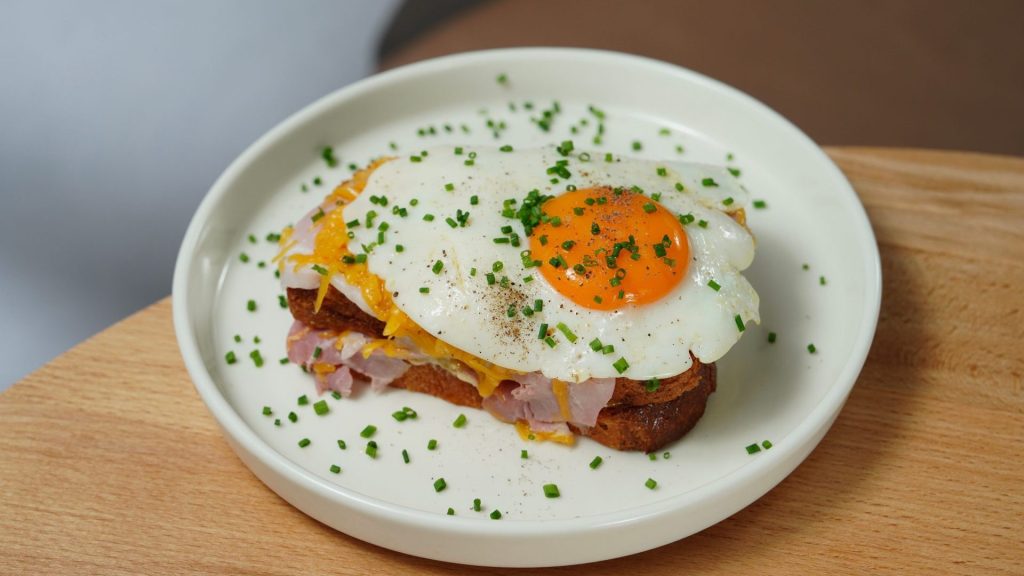 A francesinha, egg on top — which is optional almost everywhere, and does not need the help
Porto, plate by plate
Tasca Culture: The Best Cheap Lunch Available
A handwritten board, no photographs of the food, and a room more than half full of people not carrying bags.
A tasca is a small, traditional neighborhood restaurant serving home-style cooking at prices that reflect the fact that they're feeding neighborhood residents, not visitors. Porto has more good tascas per square kilometer than most Portuguese cities, and a properly executed tasca lunch — typically a daily dish (prato do dia), soup, a carafe of wine, and dessert for €10-15 — is the best-value eating in the city.
Taberna do Largo in the Cedofeita neighborhood is specifically worth seeking out — honest northern Portuguese cooking, extremely local crowd, the kind of lunch where the daily specials change based on what came in that morning rather than what's on the printed menu.
For the market tasca experience: the rebuilt Mercado do Bolhão, Porto's central covered market (restored after years of renovation and reopened in 2022), has the ground-floor vendors selling fresh produce and the upstairs food counters serving lunch. It trades Monday to Friday 08:00–20:00 and Saturday 08:00–18:00, with the restaurants inside open until midnight Monday to Saturday, and it is closed on Sundays and public holidays. Less famous than Lisbon's Mercado da Ribeira, more genuinely local in character.
A note on the Mercado do Bolhão, since it reopened in 2022 after years behind hoardings and the reviews have been mixed. The restoration is genuinely handsome and the ground floor still works as a market — fishmongers, butchers, produce, people doing their actual shopping. The upstairs counters are newer and more visitor-facing, and prices there reflect it. Go in the morning when the trade below is still running, buy something to carry away, and treat the lunch counters as a convenience rather than the reason to come.
What Northern Portuguese Food Actually Is
Porto cooks differently from Lisbon, and the menu tells you which kitchen you are in.
Porto cooks differently from Lisbon, and differently again from the Alentejo and the Algarve. The north is where:
Caldo verde — collard greens soup with chouriço — originated. It's everywhere in Porto in a way it isn't elsewhere, which means the version here is usually more carefully made.
Bacalhau à Gomes de Sá — a specific salt cod preparation with potatoes, onion, hard-boiled eggs, and olive oil, baked until everything melds together — is a Porto creation. Gomes de Sá was a 19th-century merchant in this city, and the dish he developed is now one of the canonical bacalhau preparations across Portugal.
Tripas à moda do Porto — Porto-style tripe, slow-cooked with white beans, chouriço, and piri-piri — is the dish that gave Porto residents the nickname "tripeiros" (tripe eaters), supposedly because during Portugal's Age of Discoveries the city sent all the good meat with the ships and kept the offal. If you're going to try offal anywhere in Portugal, this is the version with the most specific local claim on it.
Carne de porco à transmontana — pork cooked in the northern style, slow with wine and herbs — is the regional meat dish that appears on tasca menus and tells you which establishments are cooking real northern Portuguese food versus generic Portuguese food.
Northern Portugal, decoded
Caldo verde — collard greens and chouriço
It originated up here, which is why the Porto version is usually the more carefully made one.
Bacalhau à Gomes de Sá — a Porto invention
Salt cod baked with potato, onion, egg and olive oil until it all melds. Named for a 19th-century merchant of this city.
Tripas à moda do Porto — why they are tripeiros
Slow-cooked with white beans, chouriço and piri-piri. If you try offal once in Portugal, this is the version with the strongest local claim.
Carne de porco à transmontana — the tell
Pork done slow with wine and herbs. Its presence on a menu is how you know a kitchen is cooking northern rather than generic Portuguese.
Four dishes that are northern before they are Portuguese
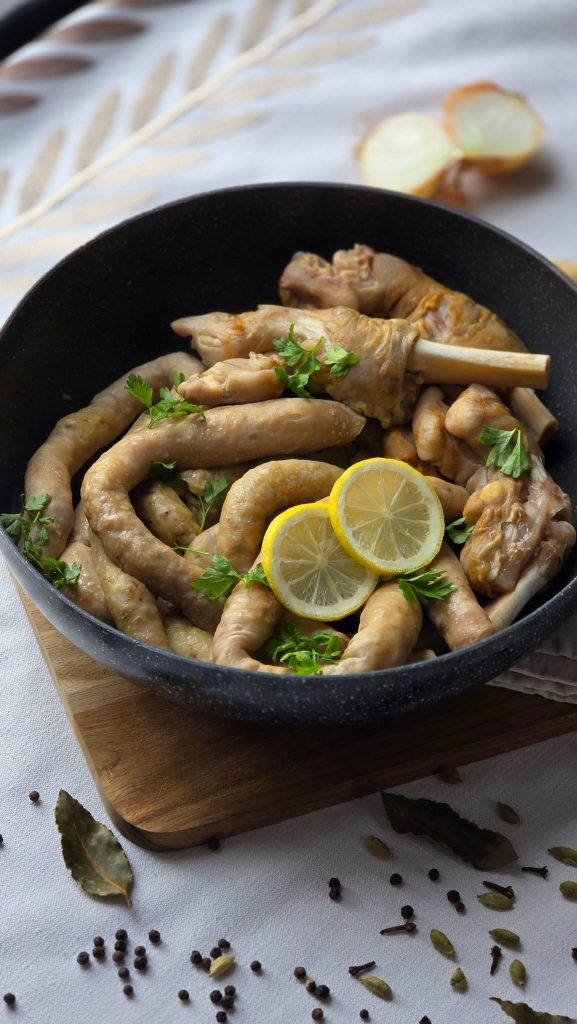 Tripas, with white beans and lemon
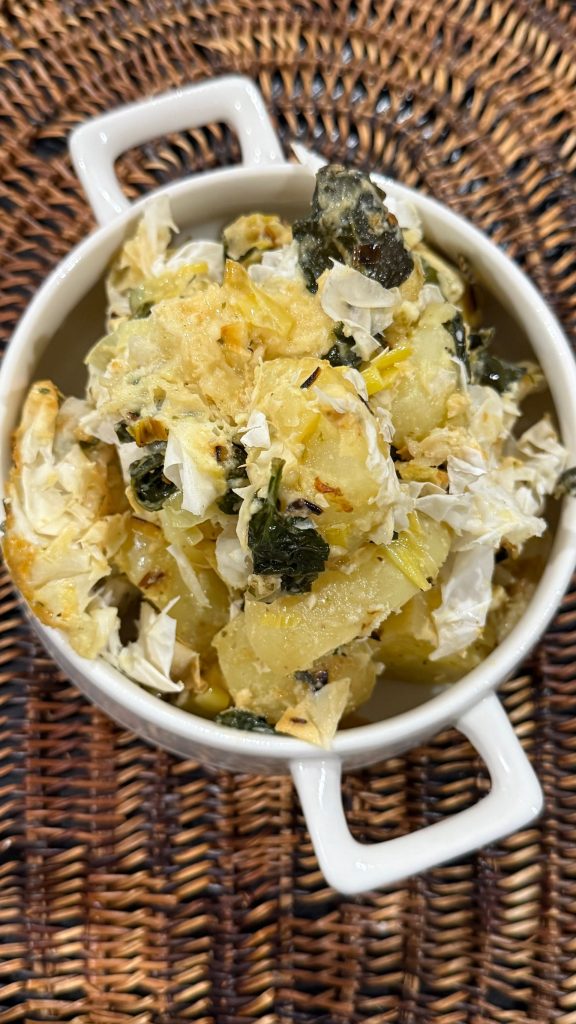 Bacalhau, with shredded egg and olives
 Caldo verde, and the bread that goes with it
What to Order, and Where
€ is a tasca lunch under €15, €€ a sit-down main, €€€ a lodge tasting or dinner with a view.
Every dish, sortable
| Dish | Where | Why it matters | Price |
|---|---|---|---|
| Francesinha | Café Santiago, Bonfim | The sauce, and the institutional memory behind it | €€ |
| Tasca prato do dia | Taberna do Largo, Cedofeita | The best-value lunch in the city, changing daily | € |
| Bacalhau à Gomes de Sá | Anywhere that has made it for decades | The canonical Porto salt cod | €€ |
| Caldo verde | Any tasca worth the name | The soup that started here | € |
| Tripas à moda do Porto | Traditional tascas | The dish the city is nicknamed after | €€ |
| Tawny with cheese | Graham’s or Taylor’s, Gaia | A pairing that explains what port actually is | €€€ |
Port, and the Douro Question
Porto sits at the western end of a wine region that is still underpriced for what it makes.
Something that doesn't get said clearly enough in Porto food guides: the port wine experience across the river in Vila Nova de Gaia isn't just about tasting wine in a cellar. The pairing options at the better lodges — aged tawny with cheese, vintage port with dark chocolate — are genuinely instructive about what these wines actually are, and they're included in the premium tasting tiers.
For a meal-length port wine experience, a few of the lodges (particularly Graham's and Taylor Fladgate) have restaurants at the lodge level with caldera views over Porto, where you eat Portuguese food alongside curated port pairings. Not cheap. Genuinely worth knowing about for a special evening.
A practical word on the lodges, since there are more than a dozen and they are not interchangeable. The crossing from Ribeira over the lower deck of the Dom Luís I bridge takes about ten minutes on foot and the cellars are clustered within a few streets of the far bank. Standard tours run forty-five minutes and include two or three tastings; the premium tiers are where the food pairings and the older tawnies live. Book the premium tier if you are only doing one, and do it before you arrive — the good slots go days ahead in season.
Porto sits at the western end of the Douro wine region, and the table wines coming from this region — distinct from port wine — are one of Portugal's best-kept secrets in 2026. Douro reds, built primarily on Touriga Nacional and Tinta Roriz, can be serious and complex in ways that the international market is only beginning to understand. A Douro red at a good Porto restaurant for €25-40 per bottle often represents value that would be hard to find for the quality level anywhere else in Europe.
Vinho verde — the light, slightly sparkling white wine from the Minho region north of Porto — is the fresh, low-alcohol everyday wine of northern Portugal, drunk at lunch with fish dishes or on a warm afternoon with literally nothing. It's deliberately acidic and meant to be consumed young. The bottle price in Porto is €6-10 for a good one.
Most Porto restaurants pour good wine from the local region alongside whatever food is on the menu, and the pairing is usually right because the food and the wine evolved together in the same geography.
What to drink, and what it costs
 Café Majestic, which is the room you pay for rather than the coffee
Cedofeita and Bairro Novo: Where Porto Eats Now
The neighbourhood experienced visitors end up in, and the one the guidebooks reach last.
The neighborhood that experienced Porto visitors consistently direct people toward — and that first-time visitors almost never find — is the cluster of streets around Cedofeita and Bonfim, north and east of the historic center. Less polished than the Ribeira, more genuinely residential, with the kind of independent wine bars, cafés, and small restaurants that exist because the neighborhood needs them rather than because visitors create demand.
Café da Luta in Cedofeita is the working model: natural wine list, light dishes, conversation-friendly space. Genuíno nearby for honest northern Portuguese cooking at fair prices.
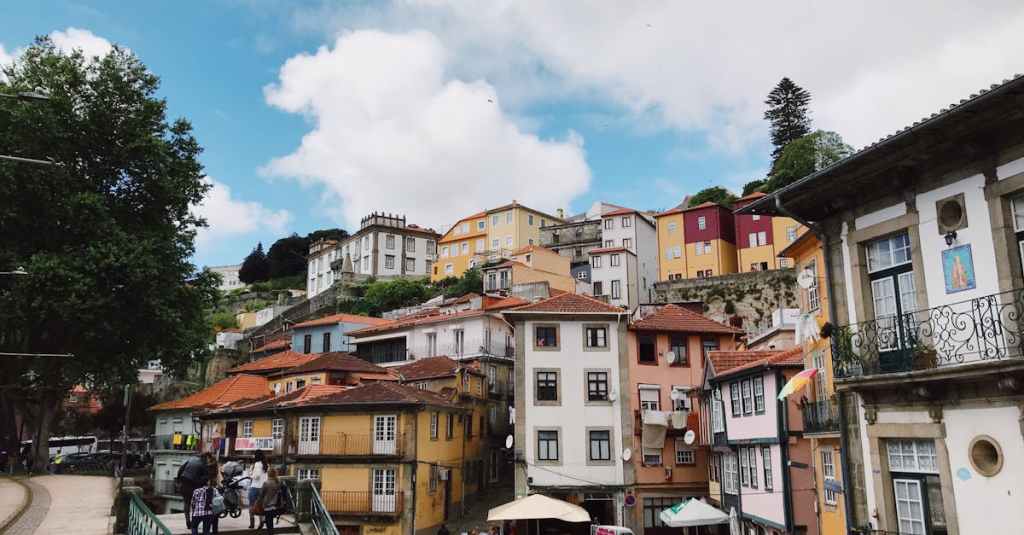 Cedofeita and Bonfim are where the kitchens that earned Porto its reputation actually are
Porto for Vegetarians and Non-Fish-Eaters
A meat-and-seafood city, and a guide that pretends otherwise is not helping.
Porto is a meat-and-seafood-forward cooking tradition, and honest guides should say so. Vegetarians will find options, but traditional tascas are not designed around plant-based eating. The Mercado do Bolhão food hall has counter options. The more contemporary restaurants in Cedofeita and Bonfim are more likely to have thoughtful vegetarian dishes alongside the traditional menu.
For non-seafood eaters: the francesinha is actually the best option — it's pork and steak rather than fish. The meat dishes at traditional tascas (carne de porco à transmontana, tripas) are the other main course alternatives to the bacalhau-centered menu.
A Sunday in Porto: How to Eat Your Way Through It
Two crossings of the bridge, one long lunch, and the city's best food day.
Sunday is Porto's best food day and its most local one, with one trap in it: the Mercado do Bolhão is closed on Sundays and public holidays, so do not build the morning around it. The tascas in Bonfim and Cedofeita fill with families at 1pm and the Port wine lodges across the river stay open but quieter. The structure that works:
Morning: Coffee and a pastel de nata from a Bonfim bakery before 10am when it's still warm. Walk the Dom Luís I bridge at whatever pace the light suggests. Cross to Vila Nova de Gaia for the wine lodge that opens earliest (most open 10am on Sundays).
Lunch: Back across the bridge and into Ribeira or Cedofeita for the proper Sunday lunch — caldo verde, bacalhau, or the francesinha at Café Santiago if the queue is manageable by 1pm. A carafe of local wine. Take your time; Sunday lunch in Portugal is not rushed.
Late afternoon: The azulejo tile wall at São Bento station (open, free, uncrowded on a Sunday afternoon). The Clérigos Tower if you booked a late slot. The Dom Luís I bridge again at golden hour because it's different from the morning version.
This rhythm — two crossings of the bridge, a wine lodge, a proper lunch, the station tiles — is about as good as a Porto day gets. It doesn't require planning beyond the lodge visit and a lunch reservation if you're going somewhere specific.
A Sunday that works
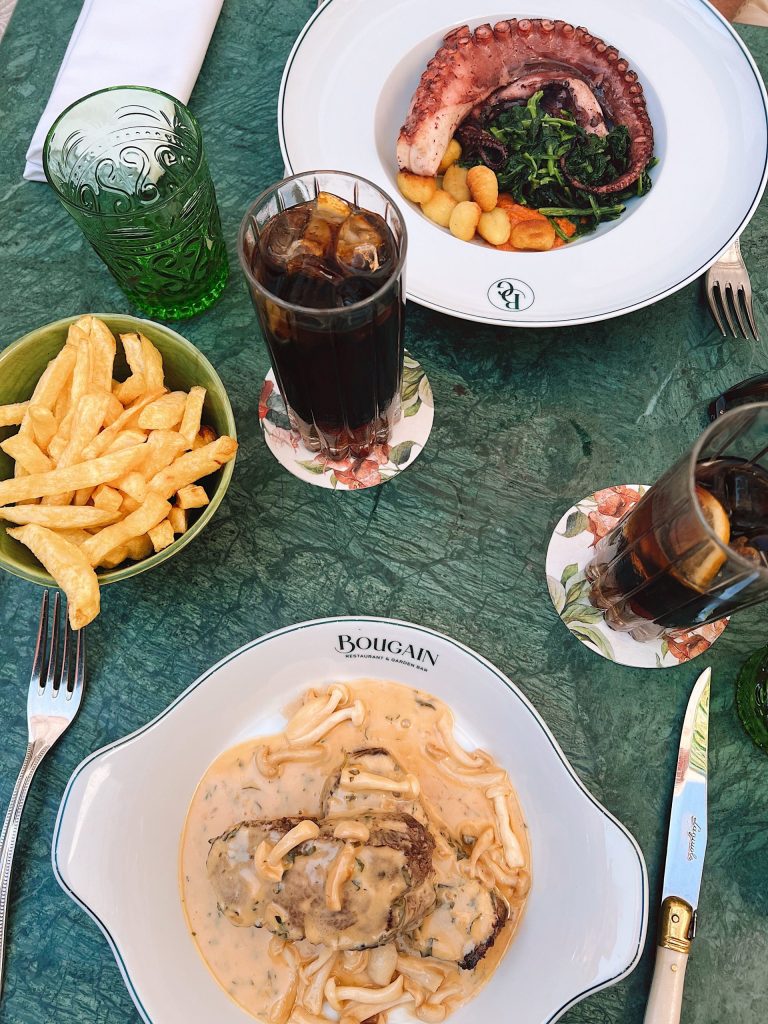 Octopus and chips, from above
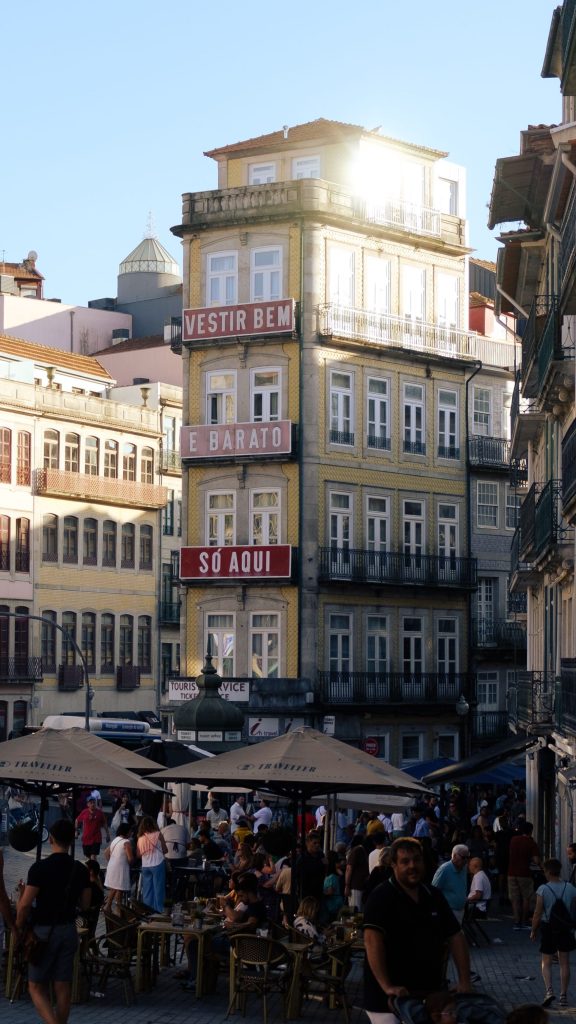 A tiled square with the tables out
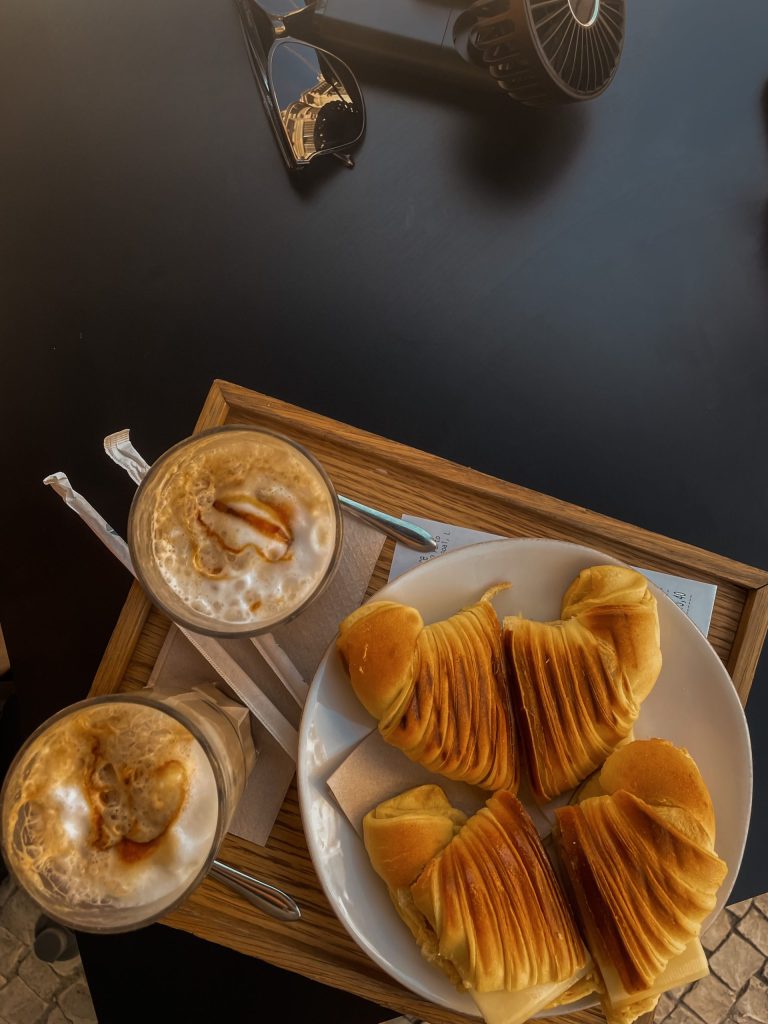 And the coffee that starts it
A Sunday that works
The Verdict on Porto vs Lisbon
People who have been to both consistently say the same thing, and it is not about the restaurants.
People who've been to both consistently say the same thing: Lisbon has better nightlife, Porto has more soul. Lisbon is more cosmopolitan, Porto is more itself. Lisbon has Belém and the Museu do Azulejo and the restaurant scene that's genuinely world-class now. Porto has the Douro and the lodges and the francesinha and the feeling that you've arrived somewhere that wasn't specifically waiting for you and is glad you came anyway.
Both are worth going to. If you can only pick one: pick based on what kind of city you want to be in rather than what kind of attractions you want to see. Lisbon rewards planning. Porto rewards wandering.
Porto or Lisbon
Pick Lisbon if this is your trip
Better nightlife, more cosmopolitan, a restaurant scene that is genuinely world-class now, and enough set pieces to fill an itinerary. Lisbon rewards planning.
Pick Porto if this is your trip
The Douro, the lodges, the francesinha, and the feeling of arriving somewhere that was not waiting for you and is glad you came anyway. Porto rewards wandering.
Practical: How to Eat Porto Well
Timing, booking, the river crossing and what the prices actually mean.
How to eat Porto well
Take the main meal at lunch
The tasca prato do dia is the best value in the city and it does not exist in the evening. Dinner is for Cedofeita and Bonfim.
Eat the francesinha once, properly
At a place that makes its own sauce. Split it. Treat it as the thing that ends your afternoon.
Cross the river for port, not for dinner
The Gaia lodges are the reason to go over. The restaurants with the view are priced for the view.
Do not plan a Sunday around the Bolhão
It closes on Sundays and public holidays. Sunday is for tascas, lodges and the bridge.
Order the northern dish on the menu
Carne de porco à transmontana, tripas, caldo verde. Their presence is how you know the kitchen is cooking northern rather than generic Portuguese.
Before you go
Where should you eat the francesinha in Porto?
At a place that makes its own sauce and has been doing it long enough to be judged on it — Café Santiago is the standard reference, and Bufete Fase is the smaller, scruffier alternative. Order one, share it if you are not hungry, and understand that it is a lunch that ends the afternoon rather than a light bite.
How much does a good meal in Porto cost?
A tasca lunch with the daily special, bread and a glass of wine lands around €12, which is the single best value in the city. A sit-down dinner at a contemporary Cedofeita or Bonfim kitchen is closer to €35 a head with wine. These are editorial estimates from recent reporting rather than published prices — menus change.
Do you need to book restaurants in Porto?
Book the named dining rooms and anything in Cedofeita or Bonfim for a Friday or Saturday evening, ideally a few days out. Tascas do not take bookings in any meaningful sense: arrive at the start of lunch, around 12:30, or accept that you are waiting.
What are the Mercado do Bolhão's opening hours?
The market trades Monday to Friday 08:00–20:00 and Saturday 08:00–18:00, and the restaurants inside run Monday to Saturday 08:00 to midnight. It is , which catches out a lot of weekend visitors. Hours from the market's official site, checked October 2026.
Keep going


Sources
Checked 2026 against the city tourism board, the market's own contacts, the port lodges and the rail operator · Visit Porto · Mercado do Bolhão · Graham's Port Lodge · Taylor's Port · Comboios de Portugal · Visit Portugal · Time Out Porto · Lonely Planet Porto · Lonely Planet Portugal · FCDO Portugal travel advice
We will tell you whether we can help and send a written quote before any paid work begins.