
This Valencia food guide covers paella Valenciana, the Central Market, horchata, fideuà and local tapas, with practical ideas for planning lunches and exploring the city’s food neighbourhoods.
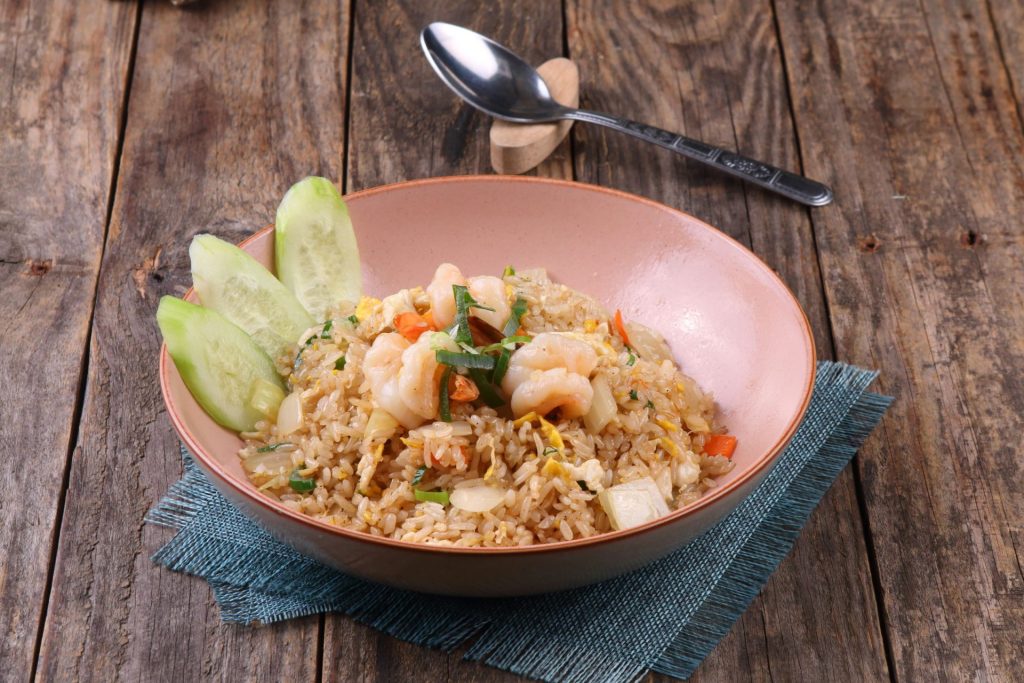
Every city claims its dish. Valencia doesn’t claim paella — it invented it, and it will tell you, without particular aggression but with complete clarity, that whatever you’ve been eating elsewhere under that name was not it. This correction is not hostility. It is precision. Valencians are a people who know the exact variety of bean in their local recipe, the specific wood required for the fire, the exact geometry of the pan, and the precise moment when the socarrat — the caramelised bottom crust that is either present or the whole thing has failed — announces itself.
Paella is not the totality of Valencia’s food story, but it is the entry point, and getting it right here changes what the word means for the rest of your life. Start with that. Then go find the horchata, the clóchinas, and the all i pebre nobody in the world is cooking except here.
In Short
Verdict: Valencia punches well above its tourist profile for food. The paella alone justifies the trip, and the hyperlocal dishes — horchata, clóchinas, all i pebre — are genuinely difficult to find outside the region. Come for a week and eat your way through it.
Book Casa Carmela before you book your flights. The paella is a lunch meal; plan accordingly.
In this guide
Valencia Food Guide: Know This First
Valencians are precise and defensive about paella, and with good reason — the dish has been misrepresented globally to a degree that borders on culinary misinformation. This is what paella Valenciana is: rabbit, chicken, bajoqueta (flat green beans), garrofó (white lima beans), tomato, olive oil, saffron, and rice. Cooked over orange-wood fire. In a flat carbon steel pan. At lunch. Outside, ideally. That is it.
What it is not: seafood. Chorizo. Onion. Coloured rice with frozen peas. Stock added after cooking starts. These are not variations — they are different dishes, some of which are fine but none of which are paella Valenciana.
The rice question also matters: Valencian paella uses short-grain rice (varieties like Senia or Bomba) that absorbs the cooking liquid without turning mushy. The rice cooks in the pan with the meat and develops a socarrat — the caramelised bottom crust that forms when the liquid has fully absorbed and the base of the rice toasts against the hot pan. A paella without socarrat is a disappointment.
Valencia is Spain’s third-largest city and does not present itself primarily as a tourist destination in the way Barcelona and Madrid do. That works in your favour: prices are lower, service is less tourist-adapted (which means more interesting), and the food culture is genuinely local. The city also hosts Las Fallas (March, enormous fire festival with neighbourhood street food) — spectacular context for eating if you can get there.
Paella Valenciana
Verdict: Casa Carmela is the address. The wood-fired paella Valenciana here — cooked over orange-wood, socarrat mandatory, served only at lunch — is the closest most visitors will get to understanding what this dish is supposed to be.
What it is: Casa Carmela at Carrer d’Isabel de Villena 155, in the La Malvarrosa beach neighbourhood, serves paella Valenciana over an orange-wood fire in traditional carbon steel pans. The recipe: rabbit, chicken, bajoqueta (flat green beans), garrofó (white lima beans), tomato, olive oil, saffron, short-grain rice. No seafood, no chorizo, no onion. The paella cooks for 45 minutes at the table — you watch the fire, you watch the rice absorb the stock, you wait for the smell that signals the socarrat is forming. Price runs €35–45 per person. Book one week ahead minimum (two weeks for weekends).
La Pepica (Passeig Neptú 6), where Hemingway ate, is the legendary alternative — slightly less technically precise in recent years but a significant address with a loyal local following.
What it’s like: Casa Carmela has been operating since 1922 — a century of the same wood, the same pan, the same geometry of the dish. The dining room opens toward a garden; the paella cooks in the kitchen over orange-wood fires that the cook feeds by hand. When the pan arrives at the table, the rice surface is even, the colour is saffron-deep, and the edges are dry where the socarrat has formed.
Your server reveals the socarrat by lifting the edge of the rice with a spoon — the crust releases in sheets, dark and caramelised and slightly smoky. This is the moment. The rice grains are separate, each one cooked through, slightly resistant. The rabbit and chicken have given everything to the rice during the cook and arrive moist and falling from the bone. The beans are the sweetness. It is not complicated. It is exact.
How to do it: Book online at casacarmela.com, minimum one week in advance (two weeks for weekends and summer). Take a taxi or Valenbisi bike to La Malvarrosa — approximately 20 minutes from the city centre, or tram/bus to the beachfront (lines 5 and 6 on the tram serve La Malvarrosa). Arrive hungry; a full Valencian paella for two requires serious appetite. Order the paella Valenciana. Do not ask for substitutions. Paella is a lunch dish — served noon to approximately 4pm. No dinner service.
The catch: Advance booking is non-negotiable at Casa Carmela — walk-in on a weekend is essentially impossible. The location is a 20-minute journey from the historic centre. The total cost for two (paella + wine + dessert) will run €80–100 — not cheap by Valencia standards. La Pepica is the walk-in alternative if you’ve missed the booking window; the experience is comparable but the execution has been occasionally inconsistent in recent reports.
Casa Carmela La Malvarrosa · Wood-fired paella restaurant · €€€ Order: Paella Valenciana (€35–45 pp minimum); one pan serves two When: Lunch only, daily — noon to approximately 4pm; book online 1–2 weeks ahead Where: Carrer d’Isabel de Villena 155, La Malvarrosa — 20 min taxi/tram from city centre Link: Reservations (essential), menu, location Confirm current menus, prices and opening hours directly before visiting.
La Pepica La Malvarrosa · Traditional paella restaurant · €€€ Order: Paella Valenciana or paella de marisco (both available, unlike Casa Carmela) When: Lunch and dinner (check current hours) Where: Passeig Neptú 6, La Malvarrosa Link: Reservations, history (Hemingway table documented) Confirm current menus, prices and opening hours directly before visiting.
The move. Book Casa Carmela before your flights. Seriously. Check availability before you commit to travel dates — the best tables fill weeks ahead. If you arrive in Valencia without a booking and the paella is your priority, it should be your first task on landing, not an afterthought.
Mercat Central
Verdict: The Mercat Central is one of Europe’s great covered markets — 1920s Modernista architecture, a dome by Guillem Grau Arola, 1,200 stalls — and it earns its visit for the building and the produce even if you’re not cooking.
What it is: Plaça de la Ciutat de Bruges in the heart of Valencia’s old city; open Monday to Saturday 7:30am–3pm; free to enter. Inaugurated in 1928, the Mercat Central’s ironwork and ceramic tile domes make it one of the finest market buildings in Spain. It is primarily a shopping market — butchers, fishmongers, produce vendors, spice and nut stalls — not a food-court market.
What to look for: clóchinas (Valencia’s small sweet mussels, in season March–August), chufas (tiger nuts for horchata, sold dry), local oranges from the Valencian huertas, seasonal vegetables specific to the region (flat green beans for paella, garrofó beans, roasted red peppers). What not to do: buy pre-packaged tourist items near the main entrance. Walk deeper into the market.
What it’s like: The market on a weekday morning is a functional, working food market — stallholders who know their regulars, produce arriving and selling fast, the smell of fresh fish and citrus and spice moving through a vaulted space lit by daylight through coloured glass. On weekend mornings, the tourist density is higher near the entrance. Move toward the middle and the back: the fish counter runs long and serious, displaying the day’s catch arranged by species. The fresh pasta stall sells handmade fideos (short noodles for fideuà).
The spice vendors sell pimentón (sweet and smoked paprika), saffron, and dried peppers by weight. The building itself — the tile work, the ironwork arches, the dome — justifies the visit regardless of whether you buy anything.
How to do it: Enter from Plaça de la Ciutat de Bruges in the morning — before noon for the best selection. Walk the full length before buying anything; the geography becomes clear on a second pass. Bring cash (most stalls are cash-preferred). If you want to eat on the spot, there are a few bar counters inside that serve a quick coffee and pan amb tomàquet (bread rubbed with tomato and oil). Budget 45–60 minutes for a proper visit.
The catch: The Mercat Central is genuinely tourist-heavy on weekend mornings, and the stalls nearest the main entrance have adapted accordingly. This is a shopping market, not a food hall — if you’re looking for somewhere to eat a meal, you’re in the wrong place. Come to buy ingredients, admire the architecture, and understand what Valencia’s food culture is built from.
Mercat Central de Valencia Plaça de la Ciutat de Bruges · Covered market · Free to enter What to buy: Clóchinas (March–August), chufas, seasonal vegetables, local saffron, pimentón When: Mon–Sat 7:30am–3pm; closed Sunday Where: Plaça de la Ciutat de Bruges, Valencia — central old city; metro: Angel Guimerà or Xàtiva Link: Market information, vendor directory, history Confirm current menus, prices and opening hours directly before visiting.
Horchata de Chufa
Verdict: Horchatería de Santa Catalina has been making the same drink in the same building since 1836, and the drink itself — cold, thick, made from tiger nuts that grow in the Valencian huerta — cannot be replicated outside this region. Order the farton alongside. Both are mandatory.
What it is: Horchata de chufa is a cold drink made from chufas (Cyperus esculentus, known in English as tiger nuts) — small, wrinkled tubers grown in the Valencia region since Moorish cultivation began centuries ago. The chufa is soaked, ground, and pressed to produce a milk-white liquid that is strained, sweetened slightly, and served very cold. The result is thicker than dairy milk, slightly grainy in texture, and mildly sweet with a distinct earthy nuttiness. It is not related to the horchata de almendra made in Mexico and parts of Latin America, which uses almonds.
The farton is the mandatory accompaniment: an elongated, slightly sweet pastry that dips into the horchata and softens at the edges. Cost: approximately €4–6 with fartons. Horchatería de Santa Catalina at Plaça de Santa Catalina 6 has been operating since 1836.
What it’s like: The horchatería occupies a 19th-century building on Plaça de Santa Catalina, tiled and cool, with windows looking onto the square and the baroque tower of the Santa Catalina church rising outside. The horchata arrives in a tall glass, cold enough to cloud the outside, thick when you tilt it. The first sip is the adjustment — this is not a sweet drink, not a juice, not anything quite like other drinks you know. The farton dips into the glass and comes out softened, pulling the horchata’s flavour into the pastry. On a hot Valencia afternoon, this combination is one of the finest things the city produces.
How to do it: Walk to Horchatería de Santa Catalina at Plaça de Santa Catalina 6 in the old city — a 5-minute walk from the Mercat Central. Order at the counter or sit (table service is available here; the price difference is smaller than at Caffè Gambrinus in Naples). Request horchata (chica — small — for a first taste if you’re uncertain about the sweetness) and fartons to dip. Cost: approximately €4–6 per person. Open from mid-morning through the evening; best visited in the afternoon heat.
The catch: The sweetness and thickness of horchata isn’t for everyone — a small glass first is the right call if you’re new to it. Horchata is not widely available outside Valencia; if you’ve had versions elsewhere, prepare for this to be different. The drink is also seasonal in the strictest traditional sense (fresh chufas harvest in autumn), though horchaterías serve it year-round.
Horchatería de Santa Catalina Plaça de Santa Catalina · Horchata bar · € Order: Horchata de chufa with fartons (~€4–6); order a small (chica) on first try When: Daily approximately 9am–9pm (may vary seasonally) Where: Plaça de Santa Catalina 6, Valencia old city — 5 min walk from Mercat Central Link: History, menu, location Confirm current menus, prices and opening hours directly before visiting.
Heads up. Horchata is perishable when fresh — it should be consumed the day it’s made. Pre-packaged carton horchata sold in supermarkets and tourist shops is a different product. The horchatería version is the one worth the trip.
Fideuà at the Port
Verdict: Fideuà is paella made with short toasted noodles instead of rice, cooked in rich fish or shellfish stock until the noodles are standing upright and socarrat has formed at the bottom. Eaten at the port with alioli and a glass of local wine, it is one of the better arguments for extending any trip to Valencia.
What it is: Fideuà originated in Gandia, a coastal city 65 kilometres south of Valencia, approximately in the 1930s — the story goes that a boat cook substituted short noodles (fideos) for rice when the rice ran out, and produced something so good it became a separate dish. The noodles (thin, short, approximately 2cm) are first dry-toasted in the pan with olive oil until golden, then cooked in a stock made from the day’s fish and shellfish.
Correct fideuà has socarrat at the bottom, like paella — the noodles should stand upright as the liquid absorbs, and the base should caramelise. Served always with alioli: the Valencian garlic emulsion (garlic pounded with olive oil, no egg in the traditional version, producing a sharp, almost gluey paste quite different from mayonnaise-based aioli). Price runs approximately €18–25 per person at a port-area restaurant.
What it’s like: The port district of Valencia (La Marina) has a cluster of restaurants ranging from tourist-facing to genuinely excellent. The best strategy is to walk past the most prominent waterfront restaurants (usually the ones with aggressive menu boards and multilingual staff) and find a table where locals are eating — the tell is a handwritten daily menu and a clientele that arrived by car, not by the cruise dock.
Fideuà arrives in the same carbon steel pan as paella — round, wide, with the noodles standing upright in a thin layer, the surface slightly dry, the edges darker where the pan was hottest. Break through with your spoon to find the socarrat underneath. Eat with the alioli alongside, not on top — a spoonful of the sharp, garlicky emulsion alongside each bite.
How to do it: Take a taxi or metro to Valencia’s port district (La Marina / El Grao area). Walk the dock area and choose a restaurant where locals are eating lunch — arrive at noon when service starts. Order fideuà (usually offered as a minimum two-person portion, like paella) and alioli alongside. A glass of local white wine (Malvar or Macabeo from the Valencia DO) is the correct pairing. Budget €18–25 per person. The port is approximately 5km from the city centre — a 15-minute taxi ride.
The catch: Port restaurants in Valencia vary significantly in quality; the best view is rarely the best cook. The restaurants immediately at the dock entrance are the most tourist-facing. Walk five minutes further from the main entrance and the quality improves. Ask at your hotel which port restaurant locals recommend — this changes more year to year than most categories in this guide.
Fideuà in the port district La Marina / El Grao · Seafood · €€ Order: Fideuà (minimum 2 people, ~€18–25 pp) with alioli When: Lunch service noon–4pm approximately; dinner varies by restaurant Where: Port district (La Marina / El Grao), Valencia — 15 min taxi from centre; metro L3/L5 to Marina How to choose: Walk five minutes past the dock entrance, look for a handwritten daily menu and a room with locals in it, and avoid anything with a multilingual board outside Check: No single venue recommended here — port restaurants change hands often, so pick on the day.
Tapas, All i Pebre + Clóchinas
Verdict: Bar Pilar in the Barrio del Carmen has been serving clóchinas and all i pebre since the 1940s. It is a standing bar on a medieval alley where the broth from the mussels is drunk from the shell, and it is one of the best places in Valencia to eat exactly what Valencia eats.
What it is: Two dishes define Bar Pilar. Clóchinas are Valencia’s own variety of mussel — smaller, sweeter, and more intensely flavoured than the Atlantic mussels you’ve eaten elsewhere. They are steamed with white wine and lemon and served by the half-kilo in a bowl with the broth. In season from March to August; out of season, they are not available (don’t ask for them in November).
All i pebre (literally “garlic and pepper”) is an eel stew from the Albufera lake region south of Valencia — the eel is cooked with olive oil, garlic, dried peppers, paprika, and vegetable stock into a dense, intensely flavoured braise. It is one of the most local dishes in Valencia: home cooking from the lake communities, rarely on restaurant menus, almost entirely absent outside the region. Bar Pilar is the place to eat both in the city centre. Price: approximately €6–10 for a half-kilo of clóchinas.
What it’s like: Bar Pilar is a small bar on Carrer del Moro Zeit in the Barrio del Carmen — the old city’s bohemian neighbourhood, medieval streets and contemporary art galleries sharing the same narrow alley. The bar takes no reservations; it fills fast, and the crowd spills onto the pavement outside. You eat standing. The clóchinas arrive steaming in a steel bowl, orange-yellow from the wine and their own brine. Drink the broth from the shell after eating the mussel — it is the point.
The all i pebre is a darker proposition: the broth is brick-red from paprika, pungent with garlic, and the eel (if you haven’t eaten eel before) requires a moment’s adjustment. Stick with it. This is what the Albufera fishermen eat. The bar’s energy — the crowd, the spilled broth, the plastic cups, the noise from the alley outside — is part of the meal.
How to do it: Walk to Bar Pilar at Carrer del Moro Zeit 13 in the Barrio del Carmen — a 10-minute walk from the Mercat Central. Arrive before 2pm on weekdays or expect to wait for a space at the bar. No reservations. Cash is preferred. Order clóchinas by the half-kilo, and all i pebre if it’s on. Drink the broth. Budget €10–20 per person for a proper standing lunch. The Barrio del Carmen is the right neighbourhood for the late morning — walk from the Mercat Central, stop at Bar Pilar, continue to Horchatería de Santa Catalina for horchata.
The catch: Clóchinas are only available March to August. If you’re visiting between September and February, they won’t be on the menu — don’t ask, and don’t accept a substitution marketed as clóchinas. All i pebre is considered home cooking by many Valencians and is genuinely difficult to find on restaurant menus; Bar Pilar is one of the few reliable city-centre options.
Bar Pilar Barrio del Carmen · Tapas bar / Clóchinas · € Order: Clóchinas (March–August only; half-kilo, ~€6–10); all i pebre when available When: Daily approximately noon–11pm (confirm; hours may vary) Where: Carrer del Moro Zeit 13, Barrio del Carmen, Valencia — 10 min walk from Mercat Central Link: Location, current menu Confirm current menus, prices and opening hours directly before visiting.
Skip it. Paella at beach-strip restaurants between the port entrance and La Malvarrosa — the ones with paella photographs on laminated menus, served at all hours, offered to tourists as they walk the promenade. These are not the dish. They use frozen seafood, pre-cooked rice, and food colouring. Walk past them.
If You Only Have One Meal
Paella Valenciana at Casa Carmela. Book before your flights. Take a taxi to La Malvarrosa beach neighbourhood, arrive at noon for opening, order one pan between two people (the minimum is usually a two-person portion), eat slowly, find the socarrat, finish the wine, walk the beach afterwards. This is what the trip is for. Total cost: €70–90 for two including wine. Reserve this as your best meal in Valencia; it earns that slot.
At a Glance
| Stop | What for | Price | When |
|---|---|---|---|
| Casa Carmela | Wood-fired paella Valenciana | €€€ | Lunch only; book 1–2 weeks ahead |
| Mercat Central | Ingredients, and the 1928 building | Free | Mon–Sat, 7:30am–3pm |
| Horchatería de Santa Catalina | Horchata de chufa with fartons | € | Daily, approx. 9am–9pm |
| The port (La Marina) | Fideuà with alioli | €€ | Lunch from noon |
| Bar Pilar | Clóchinas and all i pebre | € | Clóchinas March–August only |
Getting There & Getting Around
Flying in: Valencia Airport (VLC) is 9km from the city centre. Metro Line 3 (Aeroport–Av. del Cid–city centre) runs every 20 minutes and takes approximately 20 minutes to Colón or Xàtiva stations (€1.50–3.50 depending on zone). Taxis from the airport to the centre run approximately €15–20.
By high-speed train: Valencia is connected to Madrid (Chamartín station) by AVE high-speed rail — approximately 1 hour 40 minutes, frequent services, prices from €15–50 one way (book on renfe.com). From Barcelona, the Euromed service takes approximately 3 hours 15 minutes; there is no direct AVE to Barcelona — check current RENFE schedule as this route continues to develop.
Getting around Valencia: The city centre (Barri Gòtic / Barrio del Carmen, Mercat Central, Plaça de l’Ajuntament, and the Cathedral area) is walkable. Metro (Metrovalencia) has 9 lines covering the wider city; key stops are Colón, Xàtiva, and Angel Guimerà. The EMT bus network is comprehensive. Valenbisi (city bike share) is excellent and flat — Valencia’s topography is almost entirely flat, making cycling practical. Taxis and rideshares (Cabify, Bolt) are available throughout.
To La Malvarrosa and the beach area (for Casa Carmela and La Pepica): Tram lines 5 and 6 from Pont de Fusta tram stop to La Malvarrosa (approximately 25 minutes). Taxi from centre: approximately 15–20 minutes, €10–15.
To the port district (for fideuà): Metro Line 3 or 5 to Marina station, or taxi (approximately €8–12 from centre, 15 minutes).
Language: Valencian (a dialect of Catalan) is co-official with Spanish; menus and signs may be in either or both. Spanish is universally understood. A few words of Spanish are helpful at market stalls and traditional bars.
FAQ
Casa Carmela vs. La Pepica — which paella restaurant to choose?
Casa Carmela if you want the most technically precise version of paella Valenciana currently being served in the city. The cooking is consistently excellent, the wood-fire tradition intact, and the booking requirement is evidence of demand that has remained local rather than purely tourist-facing. La Pepica if you can’t get a booking at Casa Carmela, want a historic address with genuine lineage (Hemingway documented, decades of loyal clientele), or prefer a location with slightly easier walk-in access.
La Pepica’s recent quality has been more variable than Casa Carmela’s in reports from the past two years — check current reviews before choosing. If both have availability, choose Casa Carmela. If neither has availability for your dates, look at Levante or El Rinconet as alternatives.
Can I eat authentic paella in the city centre or must I go to the beach area?
You must go to the beach area, or at minimum to a restaurant with a wood fire and a commitment to the traditional recipe. Authentic paella Valenciana cannot be produced in a city-centre restaurant without a wood fire — the dish requires orange-wood combustion for the socarrat and the smoke that flavours the rice. Several city-centre restaurants serve paella, and some are decent, but the defining experience requires the La Malvarrosa beach neighbourhood (20 minutes from centre) or similar. Treat the journey as part of the meal rather than an inconvenience; the neighbourhood around Casa Carmela — beach, promenade, local apartment buildings — is the correct setting for a long paella lunch.
Is the Mercat Central worth visiting if I’m not cooking?
Yes, for the building and the context. The Mercat Central is a 1928 Modernista masterpiece — the iron dome, the tile work, the coloured glass — and walking through it gives you a clear picture of what Valencia’s ingredients are. Even without cooking, seeing the clóchinas in season, the bajoqueta beans in flat bundles, the local orange varieties, and the dried pimentón connects you to the food culture you’re eating your way through. Budget 45–60 minutes. Buy dried spices, a bag of chufas, or local almonds to take home if you want something to show for it.
If you’re visiting purely as a tourist with no food interest, it’s still one of the best covered markets in Europe architecturally.
Best time of year to visit Valencia for food?
Spring (March–May) is the ideal window for food specifically: clóchinas are in season from March, the huerta (market gardens) are producing spring vegetables, and Las Fallas (March 15–19) brings street food, bonfires, and the city at its most alive. Autumn (September–October) is the second-best window: tiger nut harvest for fresh horchata, the fish market in full operation, and summer crowds thinning. Summer (July–August) brings heat and the full beach-season crowd around La Malvarrosa; the food is still excellent but the city is busier and hotter. Winter is quiet and mild by European standards — good value, no crowds, though clóchinas are out of season.
What’s the difference between paella Valenciana and paella de marisco?
They are different dishes that happen to be cooked in the same pan. Paella Valenciana: rabbit, chicken, flat green beans (bajoqueta), white lima beans (garrofó), tomato, saffron, rice — no seafood, no exceptions. The flavour is built from the meat and the wood smoke. Paella de marisco: prawns, mussels, cuttlefish or other shellfish, saffron, rice — no meat. The flavour is built from the seafood stock and the shellfish. A mixed version (paella mixta, with both meat and seafood) is common in restaurants serving tourists but is not a traditional Valencian preparation — Valencians consider it a category error.
Neither version is inferior; they are simply separate dishes. In Valencia, if you order “paella,” you will typically be asked which kind. The Valenciana is the regional original.
Is Valencia worth a standalone trip for food, or a stopover city?
Standalone. Valencia rewards time — three days minimum to eat properly, five days to eat well and understand the city beyond the market and the paella. The common pattern of treating Valencia as a half-day stop between Barcelona and Madrid does it a disservice: you can eat a paella and see the Mercat Central in five hours, but you’ll miss the horchata late afternoon, the clóchinas at Bar Pilar, the fideuà at the port, and the Barrio del Carmen at its most local.
The city is also genuinely pleasant to spend time in — flat, walkable, uncrowded compared to Barcelona, with its own architecture and beach culture. For a food traveller, this is not a stopover city. It is a destination.
Bottom Line
Valencia has the most specific food identity of any Spanish city. It is not Madrid’s pintxos bars or Barcelona’s creative Catalan kitchen — it is a city where the dish originated, where the ingredients still grow within commuting distance of the restaurants that cook them, and where the recipe has been argued over, defended, and codified with the seriousness most cities reserve for architecture or law. The paella debate is alive here in the way it is nowhere else, because this is where it matters.
The practical consequence for you, as a visitor, is that you have access to something that cannot quite be replicated elsewhere: rice cooked over orange-wood fire in a flat steel pan, socarrat forming as you watch, served by people who grew up eating the same dish. That is a specific, located experience. It requires effort — the booking lead time, the taxi to La Malvarrosa, the lunch planning that means not eating much before noon — and the effort is returned in full.
Eat the paella first. Then eat the city. Walk the Barrio del Carmen in the morning, drink horchata in the afternoon heat, stand at Bar Pilar with clóchinas in March. Valencia will take you as long as you give it, and it will feed you well the whole time.
Sources
- Casa Carmela official site
- Mercat Central de Valencia
- Horchatería de Santa Catalina
- Bar Pilar
- La Pepica official site
- Denominación de Origen Arroz de Valencia — Regulatory Council
For another European trip built around local dishes, explore our Naples food guide. For this itinerary, check each restaurant’s current reservation requirements and allow time between a market visit and a substantial rice lunch.
We will tell you whether we can help and send a written quote before any paid work begins.