How to Avoid Tourist Traps & Scams Across Southeast Asia in 2026
Southeast Asia is welcoming, affordable, and wildly rewarding—yet the region’s popularity means the usual traps: inflated prices, “too-good-to-be-true” offers, rigged tours, and petty fraud. This guide gives you simple, field-tested habits and country-by-country nuance so you can explore confidently without turning paranoid about tourist traps in Southeast Asia. I’ll also sprinkle in first-hand tips I use on the ground—from negotiating tuk-tuks in Bangkok to documenting scooter rentals and avoiding padded bar bills.
Quick Answer: How to Avoid Tourist Traps in Southeast Asia
The safest way to avoid tourist traps in Southeast Asia is to agree prices before accepting rides or services, use official ticket counters and reputable booking platforms, keep maps open during transport, photograph rental vehicles and menus, carry small bills, and walk away from unsolicited “free” offers or “closed today” stories.
Most problems are small money disputes rather than serious danger. Treat the region as friendly but busy: verify prices, use written confirmations, and keep your decisions boring and documented.
Use this as a practical checklist for tourist traps in Southeast Asia before booking rides, rentals, tours, nightlife, and border paperwork.

48-Hour City Snapshot: Typical Transport Cost vs. Hassle
A quick visual gut-check before you haggle. Tap any city to jump straight to its scam-safe 48-hour plan below.
Say “meter, krub/kha” — if refused, hop out and hail the next one.
See the 48h planGrab between clusters; agree cyclo fares in writing before you sit.
See the 48h planAngkor tickets: official center only — “discount” touts sell invalid QR codes.
See the 48h plan4K walk-around video at pickup — never hand over your passport as collateral.
See the 48h planData: House of Routes 2026 field checks against Grab/Bolt/inDrive quoted fares and official ticket-counter prices. Bar length = relative on-the-ground hassle, not an exact currency value.
How to Spot Tourist Traps in Southeast Asia Fast
Most tourist traps in Southeast Asia share the same pattern: urgency, unclear prices, unofficial sellers, or pressure to decide before you can compare. If someone says the official office is closed, asks for your passport, avoids written prices, or changes the fare after you agree, pause and verify.
- Transport: tourist traps in Southeast Asia often start with a no-meter ride or a “special stop” detour.
- Tickets: tourist traps in Southeast Asia around temples, ports, and piers usually involve unofficial discounts or fake closures.
- Rentals: tourist traps in Southeast Asia can include old scooter or jet-ski damage being blamed on the renter.
- Nightlife: tourist traps in Southeast Asia often show up as free-entry shows, unclear drink prices, or padded bills.
1) Before You Go: Apps, Money & Street-Smart Basics (2026)
Must-have tools. Install a ride-hailing app (Grab, Bolt, inDrive—availability varies by city), 12Go for legit bus/train/ferry bookings, an offline map (Google Maps or Maps.me), and a currency converter. Screenshot bookings and keep PDFs offline.
Official sources worth checking before you go. For live safety context, compare your plans with U.S. State Department travel advisories, your own government’s travel advice, the official Angkor Enterprise ticket site for Angkor passes, Singapore ScamShield for current scam alerts, and local emergency guidance such as Thailand’s Tourist Police line, 1155. For planning tools before arrival, pair this guide with our best travel apps for Southeast Asia checklist.
Cash strategy that prevents “gotchas.” Carry small bills. Many scams hinge on “no change” or quiet bill-switching. I never hand over large notes to taxis or street stalls; if I must, I break them first at a convenience store. In Thailand specifically, remember that ฿100 and ฿1000 can look similar at a glance—double-check the number, not just the color.
Evidence on your phone. Keep your camera ready for two things: (1) price boards/menus before ordering; (2) receipts as you go (a photo is enough). These two habits kill most disputes on the spot.
“Map awareness.” Open Maps before any ride. If a driver takes a “scenic” detour, calmly redirect. I often say, “Let’s stick to this route,” while showing my screen. It’s non-confrontational and works.
Boundaries. “Free” bracelets, bird feed, tea ceremonies, unsolicited help with ATMs or visas—anything pushed on you in tourist zones typically ends with a demand for money. A polite “No, thanks” and keep walking beats a 10-minute negotiation.
Common First-Timer Mistakes to Avoid
- Accepting a ride before confirming whether the fare is metered, app-based, or fixed.
- Leaving a passport as rental collateral instead of a cash deposit or card hold.
- Ordering food, drinks, tours, or island-hopping extras without seeing the written price first.
- Following a stranger who says a temple, ticket office, bus, ferry, or attraction is “closed today.”
- Booking visa help, long-stay rentals, or discount tickets from social media DMs instead of official sources.
Personal note: in Bangkok, I’m totally fine paying a little extra for a tuk-tuk after a night out—but I always agree on the price up front and I keep distances in mind so a two-block ride doesn’t magically cost ฿500.
2) Transport Traps: Taxis, Tuk-Tuks, Cyclos & Ride-Hailing
Meters and “no-meter” lines. In big cities, some taxis refuse meters and quote flat fares 2–3× the going rate. My script: get in, smile, and say “meter, krub/kha” (Thai). If they refuse or the meter “breaks,” I hop out—no drama.
Watch the meter behavior. A healthy meter ticks slowly. If it jumps every few seconds, something’s off. Likewise, the “panoramic route” is an old classic: keep Maps open and redirect early.
Tuk-tuks & cyclos. They’re fun and worth doing once—but negotiate before you sit. If a price sounds unreal (e.g., “one hour for almost nothing”), expect detours to “special” gem shops, tailors, or seafood places that kick back commissions. Decline detours.
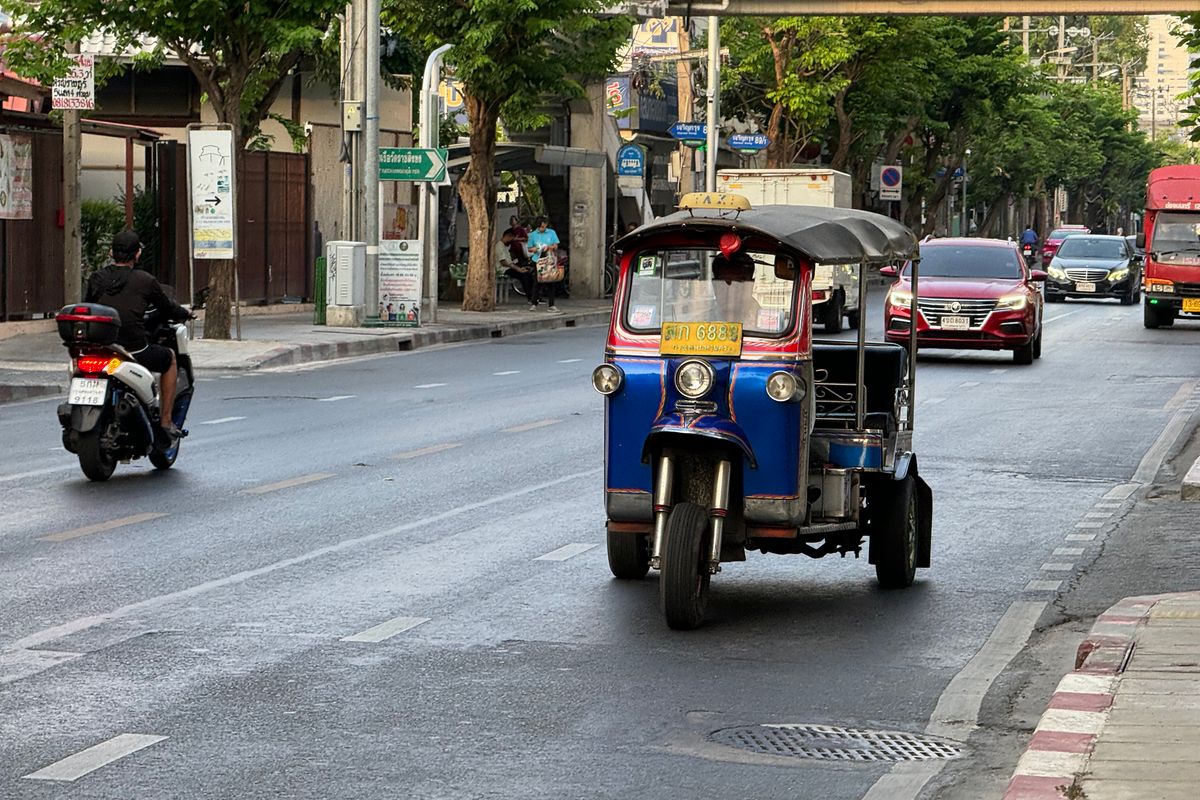
Ride-hailing nuance. Apps are transparent, but in certain hotspots (e.g., parts of Phuket or beach towns across the region), drivers may text asking for off-app cash or “extra” fees, or they might try to swap vehicles mid-trip. I only ride the assigned plate and I don’t accept last-minute price changes.
Personal note: in Bangkok I’ve found Bolt quotes closer to meter fares than other apps, so I sometimes use it just to benchmark a fair price—even if I end up hailing a street taxi with the meter.
Stations & touts. At bus/train hubs, ignore anyone telling you “no more seats” and trying to funnel you into a private van at 3× the price. Walk to the official counter; Southeast Asia’s public transport is frequent and cheap.
3) Attraction Cons: “Closed Today,” Fake Guides & Photo-Op Tricks
The “closed site” script. Around major landmarks (think Bangkok’s Grand Palace, Angkor Archaeological Park, etc.), you might hear “It’s closed because of a special holiday—but I can take you somewhere better.” It almost never is. Walk to the official gate/box office; don’t detour with strangers.
Friendly-stranger gambits. Palm-reading, “lucky day” predictions, or the “show me your money’s color” trick are just on-ramps to ask for cash. Keep it light: smile, decline, move.
Photo-op traps. Someone puts birds’ feed, flowers, a hat, or a snake on you “for a picture,” then demands a hefty fee. If you do want a photo, agree on a price first and hold exact change.
Personal note: I’ve been approached with the “What color is your money?” routine near metro exits; the longer you chat, the higher the pressure. A friendly “No, thanks—gotta run” works wonders.
- Thai: Mai ao, khop khun krub/kha — No, thanks.
- Vietnamese: Không, cảm ơn — No, thank you.
- Khmer: Ot te, aw-kun — No, thanks.
4) Rentals & Adventure: Scooters, Jet Skis & Deposits
Walkaround protocol (2 minutes that save you hundreds). Before you ride, do a 4K video lap: plate, sides, mirrors, undercarriage, tires, previous scratches. Narrate timestamps (“front right scratch”). Repeat on return. It’s hard to argue with your own footage.
Where to rent. Hotel-arranged vendors or long-standing shops with lots of recent reviews tend to be safer than the cheapest guy on the beach. Observe a few returns—do other customers leave smiling or arguing?
Deposits & passports. Never hand over your passport. If a shop insists, choose another. A cash deposit or card imprint is normal; a hostage passport is not.
Jet skis & temporary paint. On busy beaches, a minority of operators may cover dings with removable paint, then “discover” them later. Your high-res video plus renting from reputable outfits defuses this.
Personal note: a shop once tried to pin pre-existing scooter damage on me; since then I always film the pickup and I haven’t had issues. I also avoid any place that can’t clearly explain deposit rules in advance.
5) Money, Menus & Markets: Wrong Change, Bar-Bill Padding & Exchange Tricks
Menu-first rule. If there’s no price list, you’re negotiating blind. I take a quick menu photo before ordering, especially in nightlife districts or waterfront strips.
Bar-bill padding. In busy bar streets (from Bangkok to beach towns), it’s not unheard of to see mysterious add-ons (“extra beers,” “service” twice). Easiest fix: pay each drink as it arrives and keep the running tab visible.
Cash handling. Count and reconfirm out loud; keep an eye on bill-switching. In Thailand, double-check ฿100 vs ฿1000; in Vietnam, 20,000 vs 500,000 VND are both blue and easy to confuse when tired.
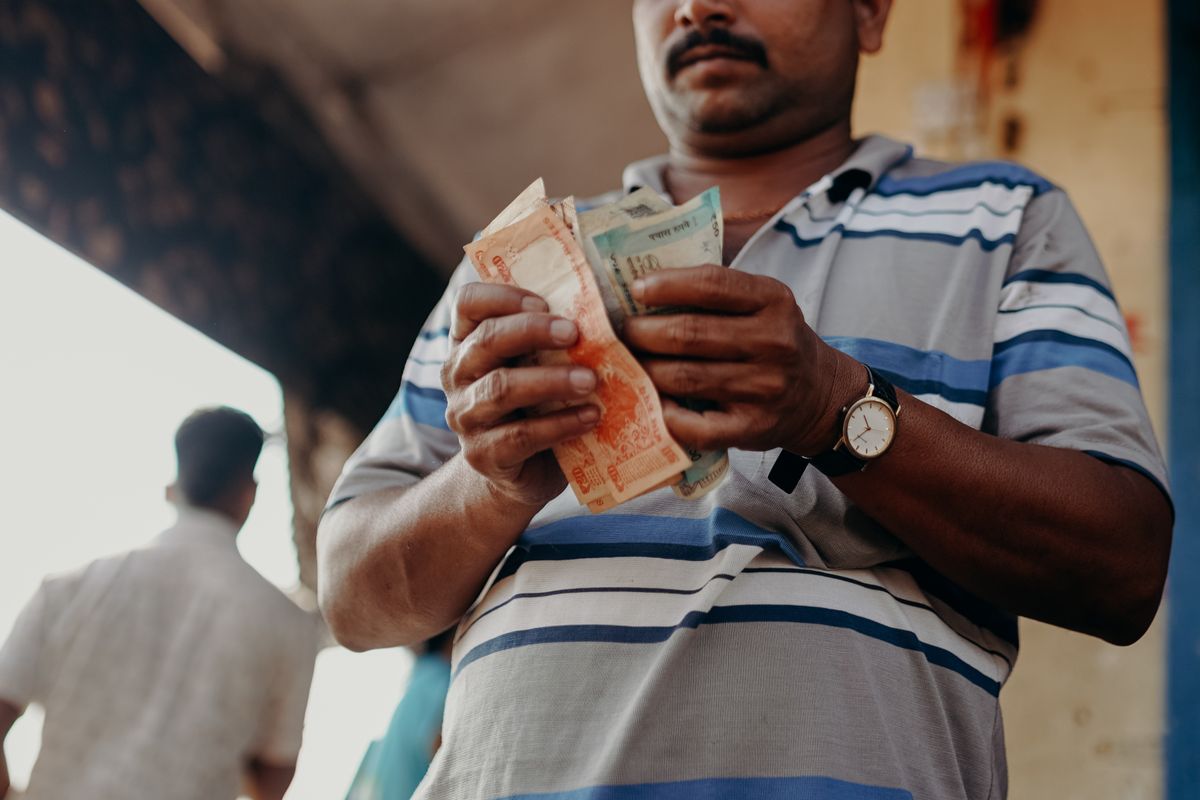
ATMs & exchange. Prefer machines inside banks and shield your PIN. Avoid street-side currency exchanges advertising miracle rates; banks or reputable services are boring by design—and that’s the point.
Personal note: I once spotted a “phantom beer” added to my table’s bill; mentioning it politely got the charge removed immediately. Since then, I keep receipts and settle as I go.
6) Tours, Tickets & Visas: Spotting Fakes and Bait-and-Switch
Tickets from the source. For big-name sites, use official counters or recognized platforms. “Discount” tickets from touts often mean invalid QR codes, bait-and-switch itineraries, or surprise “mandatory” extras at the pier.
What’s included? Ask specifically about park fees, island fees, equipment, drinks, and transfers. If it isn’t written, it isn’t included. I take a photo of the inclusions list before paying.
Accommodation photos vs. reality. Wide-angle lenses and old pics happen. Read recent reviews and cancellation terms, and avoid wiring large sums for long stays sight-unseen.
Visas & agents. Stick to official government sites or clearly vetted providers. The faster the promise and the cheaper the fee, the more skepticism you need.
Personal note: I’ve seen long-stay rentals on social platforms that “change units” on arrival. I now book the first few nights on a reputable platform, view options in person, then commit.
7) Nightlife & “Free Shows”: When to Walk Away
The “free show” paradox. If touts whisper about a free upstairs show with cheap drinks, expect an eye-watering bill and big guys blocking the exit. If a venue feels opaque—no menu, no prices—move on.
Keep your drink in sight. Watch it poured, don’t leave it unattended, and don’t accept open drinks from strangers. Simple, effective, non-negotiable.
Receipts and exact cash. Nightlife is where “no change” and padded bills flourish. I carry small notes and pay as I go.
Personal note: in bar districts, I’ve had the best results with bright, busy places where prices are printed and the staff repeat your order out loud—mistakes get caught early.
8) Country Quick-Guides (2026)
Most common trap & best prevention
Tuk-tuks and “Grand Palace closed” scripts cluster in Bangkok; beach towns may have jet-ski or scooter disputes. Say “meter, krub/kha,” decline detours, and call Tourist Police 1155 for assistance if needed. Pay-as-you-go in nightlife areas; never leave your passport as collateral.
Most common trap & best prevention
Use reputable taxis (or Grab), confirm cyclo prices in writing (a note on your phone works), and watch currency colors (20k vs 500k VND). For Ha Long Bay crowds/prices, consider Lan Ha Bay for similar scenery with fewer touts.
Most common trap & best prevention
Buy Angkor tickets through official channels only. Be wary of “free” bracelets or blessings near temples. If a driver pushes shops “for your benefit,” smile and decline.
Most common trap & best prevention
Expect scooter-rental checks and occasional on-the-spot traffic fines; keep your license/helmet in order and handle fines at the station if anything feels off. Avoid visa “deals” on social platforms; use official sources.
Most common trap & best prevention
Agree taxi/tuk-tuk (trike) prices before you ride where apps are sparse. Island-hopping tours should list port fees and environmental charges up front — ask to see the inclusions.
Most common trap & best prevention
Urban areas are orderly; still, use bank-located ATMs and avoid miracle exchange rates. Touts around theme attractions are rare but not absent — stick to official booths.
Most common trap & best prevention
Ultra-low scam tolerance, clear pricing, and great public transit. The usual global advice applies: ignore “too good to be true” offers; book attractions via official apps.
Most common trap & best prevention
Long-distance buses and minivans: buy from reliable agencies or directly at stations. Confirm what’s included (ferry legs, hotel drop-offs) and expect simple facilities en route.
Most common trap & best prevention
Travel conditions can change quickly. Stick to established operators, avoid unofficial money changers, and confirm transport via your hotel/guesthouse.
Most common trap & best prevention
Calm, organized, and cash-light. Use official taxis/rides, and avoid roadside money exchanges. Dress codes and local norms are stricter — follow posted guidance.
Most common trap & best prevention
Infrastructure is improving. Book 4×4 tours with reputable operators, carry small USD notes, and clarify fuel/guide fees in writing.
9) If You Get Scammed: Evidence, Reporting & Insurance
De-escalate first. You won’t “win” a shouting match. Step one is safety; step two is proof.
Collect evidence. Photos of menus/price boards, your 4K rental walkaround, screenshots of messages, and a calm note of time/place. This is gold for hotels, platforms, insurers—and police.
Who to call. In Thailand, Tourist Police 1155 offers English support. Elsewhere, ask your hotel to help contact the right authority. Your embassy/consulate can advise if documents are lost.
Insurance. File the report while details are fresh. Even small losses may be covered if you documented what happened.
Personal note: I’ve walked away from small losses (it preserves the day), but for anything sizeable I gather evidence immediately and loop in the hotel/agent—they know the local channels.
10) Tourist Traps in Southeast Asia: One-Page Anti-Scam Checklist (Save/Share)
Where the Traps Cluster
A real Southeast Asia basemap with country borders — tap a country to jump to its scam quick guide below. Bubble size = how much tourist-trap activity we found on the ground in 2026.

Scam-Safe Micro Itineraries (48h)
Two-day plans that dodge the common traps while keeping the food and culture that make the trip worth it.
🇹🇭Bangkok, Thailand
Low-Hassle 48h🇻🇳Ho Chi Minh City, Vietnam
Low-Hassle 48h🇰🇭Siem Reap, Cambodia
Low-Hassle 48h🇮🇩Bali (Ubud/Canggu), Indonesia
Low-Hassle 48hFAQs (2026)
Are tourist traps in Southeast Asia common?
Tourist traps in Southeast Asia are common in busy arrival zones, nightlife streets, beach towns, transport hubs, and famous attractions, but they are usually easy to avoid once you know the pattern. The goal is not to fear tourist traps in Southeast Asia; it is to recognize pressure, vague pricing, and unofficial sellers early.
For most travelers, tourist traps in Southeast Asia are minor annoyances rather than major safety threats. If you compare prices, use official counters, keep screenshots, and decline rushed offers, tourist traps in Southeast Asia become much easier to sidestep.
What are the most common scams in Southeast Asia?
The most common tourist traps in Southeast Asia involve transport overcharging, fake attraction closures, scooter or jet-ski damage claims, padded bar bills, unofficial ticket sellers, currency confusion, and “free” gifts that turn into payment demands.
How do I know if a taxi or tuk-tuk price is fair?
Check a ride-hailing app quote first, ask for the meter where meters are normal, and agree any fixed fare before you sit down. If the driver changes the price, asks for an off-app payment, or refuses the agreed route, choose another ride.
Which apps help avoid scams in Southeast Asia?
Grab, Bolt, inDrive, 12Go, Google Maps offline areas, Maps.me, and a currency converter are the most useful basics. Availability changes by city, so install more than one option before arrival.
Where should I buy attraction tickets and visas?
Use official government sites, official attraction counters, or established booking platforms with recent reviews. Avoid discount tickets, visa “agents,” or long-stay rentals sold only through social media messages.
Is Southeast Asia safe for first-timers?
Yes — millions visit safely. Most issues are minor money games. A few simple habits (meters, small bills, menu photos) keep you out of 95% of trouble.
Should I ever leave my passport as a deposit?
No. Use cash/card holds. If a shop insists, pick another.
Are ride-hailing apps safer than street taxis?
They’re more transparent. Still decline off-app deals, vehicle swaps, or “extra fees.”
What if a bar adds mystery items to my bill?
Ask for the itemized slip and remove the add-ons; paying per drink avoids this entirely.
How can I avoid overpriced, crowded “must-sees”?
Look for legit alternatives (e.g., Lan Ha Bay vs Ha Long), go early/late, and book official options.
Conclusion
Southeast Asia’s warmth and value outshine the occasional hustle. Keep your map open, your bills small, and your camera ready for menus and rentals. Set boundaries with a smile, and you’ll enjoy the magic without the headache.