Greece
A tomato that tastes like something, and the taverna that only cooks what it bought that morning.
All 6, newest first.
Everything we have written about Greece. The list fills itself as we publish.


The practical bits, answered.
Six things to know, then the questions people write in and ask.
When is the best time to visit Greece?
May to June and September. The sea is warm enough by late May, the islands are open, and you avoid the July and August crush.
Is Santorini worth it?
Visually, yes — it is genuinely extraordinary. It is also the most crowded and expensive island in Greece. Go in shoulder season, stay away from the cruise-ship hours, and it is worth the flight.
How many days do you need in Greece?
Ten days: three in Athens and a week across one or two islands. Island-hopping more than that in a fortnight means spending your holiday on ferries.
Which Greek island should you pick?
Crete for food, size and variety. Santorini for the view. Naxos or Paros if you want somewhere that still feels lived in.
Is Greece expensive?
Athens is good value; the popular islands in August are not. Eating is cheap almost everywhere if you choose tavernas over anything with a sea view and a laminated menu.
Where should you go after Athens?
Give Athens two or three days rather than the single night most itineraries allow. It has become a genuinely good food city and the ruins are only part of the reason to be there.
Then the islands. Santorini is spectacular and extremely busy; Crete is big enough to absorb its visitors and eats better than anywhere else in the country.
What should you eat first in Greece?
A proper Greek salad — no lettuce, good oil, a slab of feta on top. Then grilled fish, and whatever vegetable dish the taverna made that morning.
Order like a Greek table: several small plates in the middle rather than a main each. It costs less and you eat better.
If you liked Greece, start here.
Same instinct, different table.
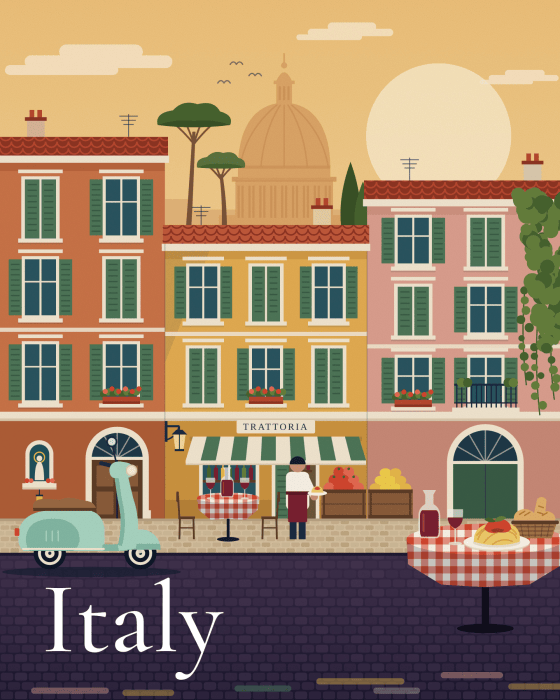 Italy6 guides · Rome & Florence
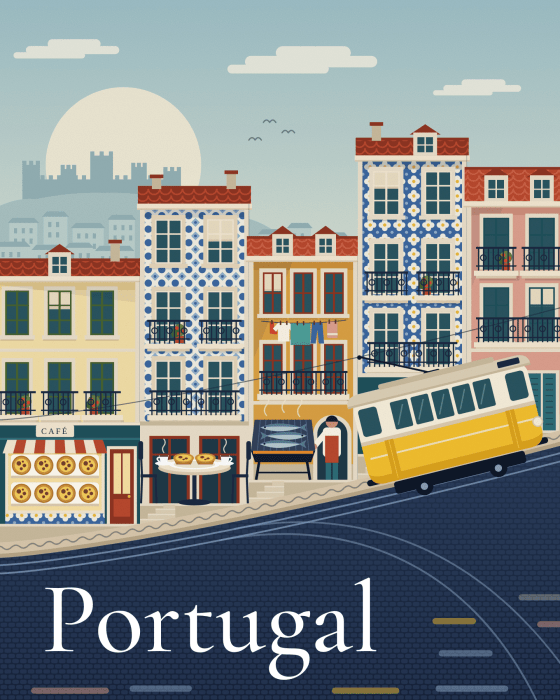 Portugal6 guides · Lisbon & Porto
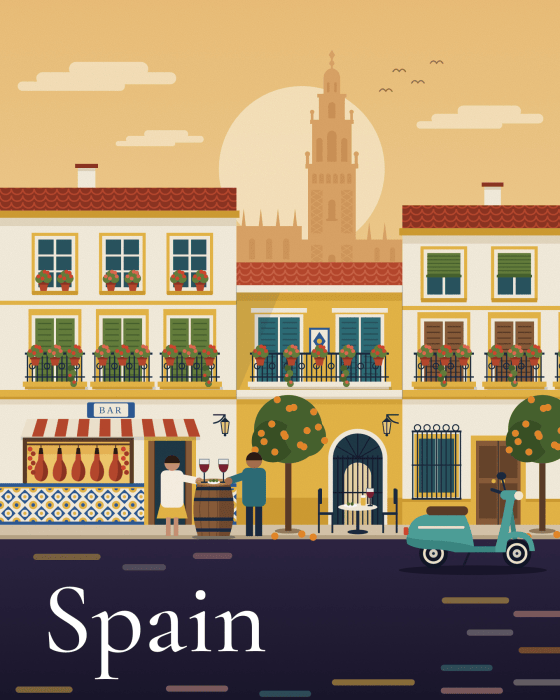 Spain11 guides · Madrid & Barcelona
 France5 guides · Paris & Provence
 Thailand7 guides · Bangkok & Chiang Mai