

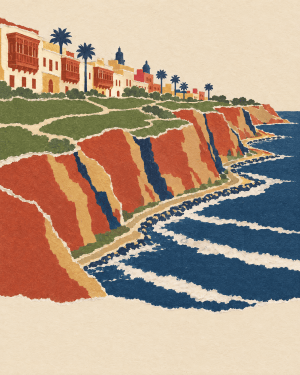
 LIMA
Latin America / Peru / Food guide · 18 min read
Two Lima restaurants have been the best in the world.
Neither will appear on this year’s list — and that is the most interesting thing about eating here right now.
Jump to what you came for
Lima Food Guide: The Short Answer
This Lima food guide starts with seven dishes: ceviche, tiradito, lomo saltado, arroz chaufa, anticuchos, causa and picarones. Plan one cevichería lunch, one market visit and a slower restaurant meal, then leave space for the everyday food between them.
Choose Miraflores for several well-known restaurants, Barranco for an evening combining food and a walk, and Surquillo for a market stop. Three full days gives you time to sample different styles without booking every meal. Our guide to things to do in Lima helps fit museums and neighbourhood walks around lunch.
LIMARestaurants and regional traditions
The list is coming to the city
What you actually came here to eat


Maido was named The World's Best Restaurant in 2025, following Central's win in 2023. Those awards help explain the attention on Lima, but the city's appeal goes beyond two reservations. Nikkei, chifa, criollo cooking and coastal seafood give you different ways to explore it at different budgets.
Here is the part that matters if you are booking a trip this year. Both restaurants have now moved into the awards’ Best of the Best category — the group of former winners that are retired from the vote and can never be ranked again. So when the 2026 list is read out, neither Central nor Maido will be on it. That is not a demotion. It is the opposite: they have won the thing and been taken off the board.

And the ceremony itself is coming here. The World’s 50 Best Restaurants 2026 is being held in Lima on 4 November — the first time the awards have been staged in the city that has supplied two of their winners. Expect every serious kitchen in Lima to be at capacity that week, and expect prices and waiting lists around it to behave accordingly.
I open with the rankings not to lead a food guide with a list of accolades, but because the specific fact that Lima’s most famous restaurants are doing Nikkei cuisine (the culinary result of Japanese immigration to Peru from the 1890s) and “vertical ecology” tasting menus (ingredients from different Peruvian altitudes, sea level to 4,000 metres) tells you what is actually interesting about this food scene. It is built on specific histories and specific geographies, not on generic ambition. The food here comes from somewhere.
When Lima actually eats
Lunch is a good starting point for exploring traditional cevicherías. Check service times rather than assuming every venue follows the same pattern; you can also find restaurants serving ceviche later in the day.
LIMACentral and Maido: choosing a special meal
Check menus, availability and cancellation terms
Central in Barranco is the restaurant Virgilio Martínez built around the idea of Peru’s ecosystems as a culinary framework. The tasting menu climbs through altitudes, from the Pacific coast to the high Andes, each course representing a specific ecosystem and the ingredients it produces. The “vertical ecology” concept has been talked about enough that it risks sounding like a marketing line — and then you are eating seaweed from the Peruvian coast alongside tubers from 4,000-metre altiplano in the same meal, and it genuinely is what it says it is.
Maido in Miraflores is the Nikkei menu: Japanese technique and precision applied to Peruvian ingredients and Peruvian heat. Tsumura trained in Japan, came back to Lima, and built the restaurant that went to number one in the world. The guinea pig with bonito is the dish that holds both traditions at once.
LIMAIf both are booked: Kjolle and Mérito
Not consolation prizes
Kjolle, run by Pía León, sits directly upstairs from Central and has been collecting serious recognition on its own account — she was named Latin America’s Best Female Chef in 2018. The menu is more approachable than Central’s in some ways and exactly as serious in its sourcing and technique. Book a few weeks ahead rather than months.
Mérito is in Barranco. Chef Juan Luis Martínez's restaurant is worth considering on its own terms. Check its current menu, booking format and address directly before organising the rest of your evening around it.
LIMACeviche: the daily essential
A classic lunch choice; check service hours
Lima’s ceviche is the global benchmark, and the version made here — fresh white fish, citrus juice, ají amarillo, sliced red onion, cilantro, with sweet potato and toasted corn alongside — is materially different from what the same word describes anywhere else. The marinade is leche de tigre, tiger’s milk, and it is drunk as well as eaten.
 LIMA
Nikkei and chifa: Lima’s two fusion traditions
Both older than the word fusion
The Nikkei story is the well-known one now, largely because of Maido. Less discussed internationally is chifa CHEE-fa — Lima’s Chinese-Peruvian tradition, developed out of the mass Chinese immigration (mostly from Guangdong) that arrived in Peru from the 1850s as indentured labour and eventually produced one of the most thoroughly integrated food cultures in South America.
Chifa is everywhere in Lima: cheap and excellent at neighbourhood places, more refined at a handful of dedicated operations. Chifa Titi and the historic Salón Capon in Barrio Chino — one of the oldest and largest Chinese communities in South America — are the names to know if you want the tradition rather than the export version.
The dish to order in any context is lomo saltado: beef strips, tomatoes, onions and ají amarillo stir-fried hard in a wok, served with rice and fried potatoes. Both starches, deliberately. It is the cleanest demonstration of two culinary traditions becoming one thing.
The Lima you walk through between meals


If you want to understand why chifa matters here rather than just eat it, the detail to hold on to is that it was never a restaurant trend. The Chinese labourers who arrived in the 1850s had almost no access to the ingredients they had cooked with at home, so they substituted: Peruvian chillies for Sichuan peppercorns, local root vegetables for the ones they could not find, soy sauce once it became available through the Pacific trade. What came out the other side was a cuisine that belongs to neither country and is now unambiguously Peruvian. Every Lima household has an opinion about which neighbourhood chifa is best, which is the clearest sign a food tradition has stopped being foreign.
Order practically, too. A chifa meal is cheap, enormous and built for sharing: wantan soup, arroz chaufa (the Peruvian fried rice, with whatever protein you choose), a plate of tallarín saltado noodles, and the lomo saltado. Four people eat well for the price of one tasting-menu amuse-bouche, which is a useful thing to know on the night before or after a big reservation.
LIMABarranco: the neighbourhood for dinner
Miraflores has the names, Barranco has the evening
What a Barranco evening actually puts in front of you


The honest geography of Lima dining is that Miraflores has the recognition and Barranco has the atmosphere. Eating in Barranco — at the bars that pour Pisco Sours alongside the food, at the corner places where the daily menu runs on a chalkboard — is the version of Lima that feels like a city you would want to live in rather than visit.
Practically, Barranco is also the easier evening. It is small enough to walk end to end in twenty minutes, so you can eat at one place, have a Pisco Sour at another and end up somewhere with music without ever getting into a car. Miraflores, by contrast, is spread out along the clifftop and the good restaurants are separated by long blocks of apartment buildings and chain coffee shops. If you are choosing one neighbourhood to base yourself in for the food, Barranco is the answer and Miraflores is the one you take taxis into.
LIMAStreet level Lima
Beef heart, charcoal, a paper plate

The anticuchos an-tee-KOO-chos vendors who appear on corners at dusk — grilled beef heart on skewers with a chile and cumin marinade, served with boiled potato and a roasted chilli sauce — are Lima street food at its most specific and most worth seeking out. The beef heart is the traditional cut: tender, faintly smoky, and exactly as good as the food professionals who mention it as often as they mention Central say it is.
Picarones — pumpkin and sweet potato doughnuts fried and drizzled with dark chancaca syrup — are the dessert end of the same trade. You will find them near the anticucho carts in the evenings in Barranco and Miraflores, and they cost almost nothing.
LIMAThe neighbourhood that eats best
Surquillo, and the market that feeds the restaurants

Surquillo, next to Miraflores, is a useful market stop in this Lima food guide. At Mercado Nº1 de Surquillo, look around the produce and prepared-food counters before ordering. Ask what the menú del día includes, whether drinks cost extra and which dishes are available that day. Prices should be checked in soles rather than inferred from a dated dollar estimate.
Go on a weekday morning. Buy the Andean potatoes that look unfamiliar — Peru grows over 3,000 varieties. Cook something if you have a kitchen, and if you do not, eat at one of the counters and watch what everyone else is ordering.
LIMAWhat Peru tastes like at street level
Eat one of these before any tasting menu

Causa limeña COW-sa lee-MEH-nya: mashed yellow potato seasoned with ají amarillo and lime, layered with avocado and tuna or chicken, served cold. The most specific introduction to how Peruvian cooking uses potato and chilli together.
Papa a la huancaína: boiled potatoes under a creamy yellow sauce of ají amarillo, queso fresco and crackers. Cold, light, and far more nuanced than “potatoes with sauce” suggests.
Aguadito de pollo: a soupy rice-and-chicken dish turned bright green with cilantro and ají, somewhere between soup and risotto. Served in the morning as a hangover cure and all day in traditional restaurants. The Peruvian equivalent of chicken soup, but better.
These are the dishes that tell you what Peru tastes like, and they predate every accolade in this guide. If you are also planning the rest of the continent, our Latin America street food guide covers how Lima fits against Mexico City and Bogotá.
A three-day eating plan
Day one: Miraflores and Surquillo. Start with a market visit, then choose a cevichería for lunch. Check the menu and opening hours before setting out. Leave the afternoon for a clifftop walk or a museum, and keep dinner lighter if lunch becomes a long meal.
Day two: Barranco. Plan a neighbourhood walk around one restaurant reservation. Central, Kjolle and Mérito offer different experiences, so compare the current menus instead of treating one as an automatic substitute for another. Leave time to travel back after dinner.
Day three: chifa and everyday dishes. Try arroz chaufa or lomo saltado, then leave room for causa, anticuchos or picarones later. You do not need all seven dishes in one day. If Maido is your main reservation, organise the day's other meals around its location and duration.
Booking, portions and dietary requirements
Use Central's reservation page and Maido's official website to compare the specific experience, price and cancellation terms. Check optional drinks pairings separately. Do not rely on a universal two-, three- or four-month booking rule; availability changes with dates, party size and the chosen sitting.
At casual restaurants, ask whether a portion is designed for one person or sharing. Confirm the full price before ordering fish sold by weight, and ask what a set lunch includes. Carry small soles notes for stalls while checking card acceptance at each restaurant.
For vegetarian diets or allergies, contact the restaurant before booking and ask about stocks, seafood sauces, dairy and other ingredients. A potato or rice dish is not automatically vegetarian. If you prefer cooked seafood, say so clearly rather than assuming citrus-marinated fish is cooked by heat.
This Lima food guide works with one major reservation per day and nearby alternatives for the other meals. If you are combining the capital with the Andes, our Machu Picchu travel guide helps organise that part of the route. Keep a generous gap between a substantial meal and a flight or other fixed departure.
LIMAIf you only have one meal
No deliberation required

A cevichería lunch is a useful first meal if you want an introduction without committing to a long tasting menu. Al Toke Pez in Surquillo is one option; check current hours, menu and prices before travelling. Do not assume a particular chef will be present or that every portion fits an old dollar estimate. Choose the food and format you want, then build the rest of the day nearby.
LIMAPracticalities nobody tells you
Drinks, timing, money, and the fog

The drink is a Pisco Sour, and it is worth being slightly particular about it. Pisco is a Peruvian grape brandy, and the cocktail — pisco, lime, sugar, egg white, a few drops of bitters — is the national drink in a way that invites strong opinions about ratios. Ask for one made with pisco quebranta if you want the traditional, more austere version; pisco acholado is the blended, softer one. The chilcano, pisco with ginger ale and lime, is what Limeños actually drink on a weekday, and it is better in the heat than the sour is.
Plan for coastal cloud. Lima often has grey, damp weather during the cooler part of the year. Pack a light layer for clifftop walks and check the forecast close to your visit rather than assuming a coastal city means sunshine. Weather does not need to determine your dining plans.
Cash still matters at the bottom of the market. The tasting menus and the Miraflores cevicherias take cards without blinking. The anticucho carts, the market fondas and some of the best cheap counters do not. Carry soles in small notes; nobody at a street cart wants to break a 200.
Tipping is light. Ten per cent in a restaurant is generous and normal; menus sometimes add a service charge, in which case you are done. Nobody tips a street vendor.
Getting between meals. Check a live route estimate and leave extra margin for traffic before a reservation. Miraflores, Barranco, Surquillo and the historic centre are separate outings, not interchangeable stops a fixed half-hour apart. Confirm the kitchen's last ordering time and late-arrival policy directly.
One week, not one city. Most people fly into Lima on the way to Cusco and Machu Picchu and give the capital a single night at each end. That is a mistake if you care about eating, but it is a workable structure: two nights at the start to get the markets and a cevicheria lunch, and two nights at the end for the reservation you booked four months ago. The official PROMPERÚ site is the place to check current entry requirements and domestic flight routes before you commit to that shape.
LIMAThe bottom line
Not a trend
Five centuries of arrivals, three plates


Lima’s food scene is not a moment. It is a city that spent a century building specific culinary identities out of specific migration histories and a specific geography, then produced a generation of chefs who took those traditions seriously enough to develop them into something that now sits at the top of any list paying attention. The awards came to the cooking, not the other way round.
Check Central or Maido's official calendars if a tasting menu is a priority. Plan a ceviche lunch, spend a morning in Surquillo and leave an evening for anticuchos and picarones. This Lima food guide is most useful when you keep some meals flexible rather than treating every stop as compulsory.
Before you go
What should I eat first in Lima?
Try ceviche, tiradito, lomo saltado, arroz chaufa, anticuchos, causa and picarones across several meals. This Lima food guide recommends balancing a cevichería lunch, a market stop and one longer restaurant meal.
Should I book Central or Maido?
Compare their current menus, available sittings, full prices and cancellation terms. Central explores Peruvian ecosystems, while Maido is known for Nikkei cooking. Choose the experience that suits your interests and budget.
Can I eat ceviche at dinner in Lima?
Yes, some restaurants serve it in the evening, although many traditional cevicherías focus on lunch. Check the chosen venue’s opening and kitchen hours rather than treating lunch as a universal rule.
What is the difference between Nikkei and chifa?
Nikkei cooking developed within the Japanese-Peruvian community; chifa is the Chinese-Peruvian tradition. Both reflect migration and local ingredients, with different techniques and dishes.
How many days do I need for this Lima food guide?
Allow three full days for markets, a cevichería, chifa and a longer restaurant meal. Keep one main booking per day and leave time for travel between neighbourhoods.
Where is Mérito in Lima?
Mérito is in Barranco. Check its official website for the current address, menu and reservation options before arranging transport.
Keep going
We will tell you whether we can help and send a written quote before any paid work begins.