
The best things to do in Tokyo start with choosing a few neighbourhoods: Asakusa for temple streets, Yanaka for a slower walk, Shibuya for city views and Shinjuku Gyoen for a garden break.
Tokyo · Japan · Travel Guide
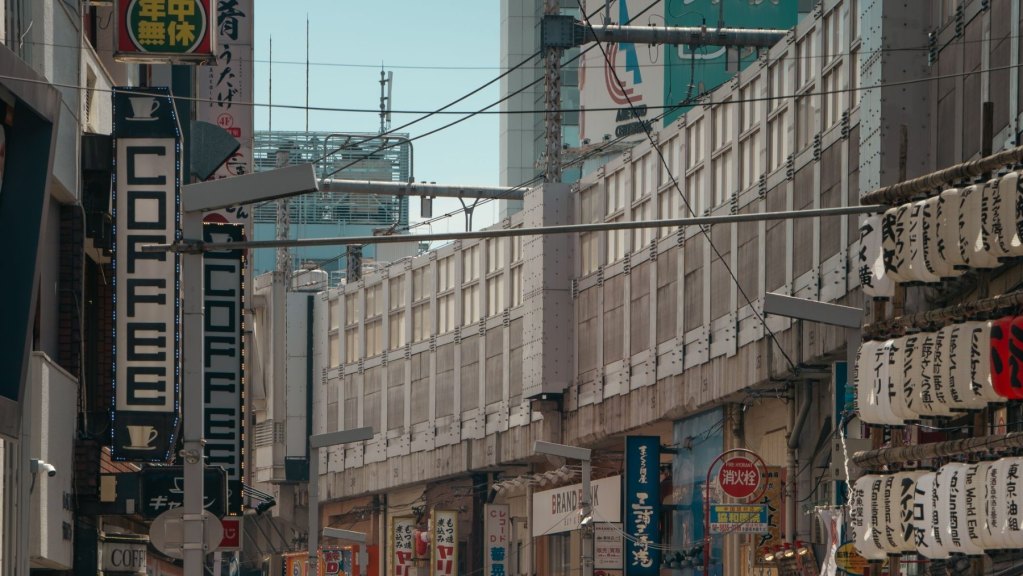
Tokyo’s size is not the obstacle it first appears. The city holds 37 million people across Greater Tokyo — the largest metropolitan area on earth — but it functions less as a continuous urban mass and more as a federation of distinct neighbourhoods, each carrying its own rhythm, its own demographic, its own relationship to time. Asakusa at 6:30am is a working temple district in the quiet before the tour coaches. Yanaka on a Thursday afternoon is a neighbourhood shopping street where a woman selling mochi from a paper tray has been doing so from the same shopfront for four decades. Shibuya on a Saturday night is something else entirely.
This guide organises Tokyo around five of those neighbourhood experiences — the ones that teach you something different about the city rather than duplicating what another district already shows you. The governing principle is depth over coverage. Two focused hours in one Tokyo neighbourhood will give you more than ten distracted minutes in five. Pick your two or three per day, go deep into each one, and leave something for the next visit.
In Short
The verdicts:
- Tokyo works best when you pick two or three neighbourhoods per day and go deep rather than ticking off attractions across the city
- Senso-ji in Asakusa is essential — go before 8am to experience it as a functioning temple rather than a backdrop for cameras
- teamLab Planets in Toyosu is the best contemporary art experience in Asia right now and requires booking ahead, ideally weeks in advance
- Shibuya Crossing is worth seeing once; spending more than 20 minutes there is not the best use of a Tokyo day
In this guide
Things to Do in Tokyo: Know This First
Tokyo’s scale produces anxiety in first-time visitors and then immediately resolves it. The subway system is large — thirteen lines operated by two companies, plus several JR lines — but the English-language signage is comprehensive throughout: every platform shows the station name in romaji, the line number, and directional indicators. An IC card simplifies ordinary local journeys. Check JR East’s Welcome Suica Mobile information for supported devices; the visitor app is for iOS, so do not assume any overseas Android phone will work. A physical card is an alternative. Some services still need a separate ticket or supplement.
The neighbourhood principle is the key organising logic. Shibuya and Shinjuku are both major transport hubs but feel nothing alike. Asakusa and Yanaka are both historically oriented but operate at completely different scales and with different emotional registers. Plan your days by clustering activities geographically rather than by type — three things in the northeast on one day, three things in the south-west on another — and you’ll lose less time to transit than visitors who plan thematically across the city’s map.
Early morning is disproportionately valuable in Tokyo for two specific reasons: the famous sites (Senso-ji above all) are dramatically less crowded before 8am, and the morning food culture — the ramen shop open at 7am, the Tsukiji market stalls active from 5am — is a distinct experience from the afternoon and evening. Build at least one early-morning plan into your Tokyo trip.
October through November offers the most pleasant sightseeing weather: cool enough for extended walking, occasional autumn colour in parks and gardens, and lower tourist density than the cherry blossom peak in late March and early April.
Asakusa — Old Tokyo Intact
Asakusa is the closest Tokyo comes to a pre-war neighbourhood — Senso-ji temple at its centre, wooden shophouses along the side streets, the smell of incense at 7am, and the Sumida River visible at the end of Nakamise-dori. It’s the most historically coherent district in the city, and the one to see first before the rest of Tokyo’s modernity makes it harder to locate anything older.
What it is: Asakusa is Tokyo’s oldest shopping and entertainment district, centred on Senso-ji — a Buddhist temple established in the 7th century (rebuilt several times, most recently after WWII firebombing) dedicated to the bodhisattva Kannon. The neighbourhood sits in Taito Ward on the eastern side of the city, roughly 20 minutes from Shinjuku by subway. It includes Nakamise-dori (the shopping street leading to the temple), Kaminarimon (the “Thunder Gate” with its famous red paper lantern), several traditional craft lanes, and a riverside promenade with unobstructed views of the Tokyo Skytree across the Sumida.
What it’s like: Arriving at Asakusa at 6:30am, the Kaminarimon gate lit from below in the morning quiet before Nakamise-dori has opened, a few elderly locals placing incense at the temple altar and moving through the courtyard without hurry — this is when Senso-ji is what it actually is rather than what the photographs imply. By 10am the tour coaches have arrived and the courtyard is dense with cameras. The temple itself is unchanged; the experience of it is not.
After the temple, the side lanes off Nakamise sell traditional crafts — kokeshi dolls, fabric, lacquerware, pottery — and the covered shotengai east of the main approach has food stalls selling ningyo-yaki (small cake-shaped sweets moulded around sweet bean paste) and senbei (rice crackers grilled to order).
How to do it: Take the Ginza Line to Asakusa Station (Exit 1) and walk directly to the gate — the approach is immediately visible. Arrive before 8am. Allow 90 minutes for the temple complex and Nakamise-dori. Then walk north 10 minutes to Kappabashi Kitchen Town — a street of professional kitchen supply shops selling knives, ceramics, lacquerware, and the plastic food models displayed outside every Japanese restaurant — which is worth 45 minutes and is one of the most genuinely useful shopping streets in Tokyo. Return via the Sumida riverbank for the Skytree view.
The catch: Senso-ji is one of the most visited temples in the world — by some counts, 30 million visitors per year. In peak season (cherry blossom, Golden Week, autumn), the crowd by 10am is dense enough to make the atmosphere purely photographic. The 6:30am visit is not optional if the actual experience of the place matters.
Senso-ji Temple Asakusa, Taito Ward · Buddhist temple complex (7th century; main hall rebuilt 1958) · Free Do: Enter via Kaminarimon gate at dawn; draw temple incense smoke toward yourself at the koro (incense burner) in the courtyard; visit the inner hall; walk Nakamise-dori before it fills When: Temple grounds 24 hours; main hall interior 6am–5pm (October–March: 6:30am–5pm); check senso-ji.jp for seasonal variation Where: 2-3-1 Asakusa, Taito City, Tokyo — Asakusa Station, Ginza or Toei Asakusa Line, Exit 1 Link: senso-ji.jp — history, seasonal events, and access information Confirm current opening hours and booking details before visiting.
Shibuya — The Crossing and What’s Around It
Shibuya Crossing is real — it genuinely works as described, with five streams of pedestrians crossing simultaneously in controlled movement that somehow doesn’t produce collisions — and takes about ten minutes to absorb. What makes Shibuya worth a half-day is the surrounding retail and neighbourhood ecosystem, not the crossing itself.
What it is: Shibuya Crossing (the Shibuya Scramble Crossing) is a multi-directional pedestrian scramble at the south exit of Shibuya Station where six crossing routes activate simultaneously at each traffic cycle, moving approximately 2,500 people per signal change. The surrounding district is one of Tokyo’s major youth fashion, music, and nightlife centres, anchored by department stores and extending south toward Daikanyama and Nakameguro. The Scramble Square skyscraper connects directly to the station and houses the Shibuya Sky rooftop observation deck on its top floors.
What it’s like: Standing inside the crossing during a cycle, the flow is startlingly orderly — no elbowing, people reading the cross-traffic gaps and adjusting course with the lateral awareness of a school of fish. It takes about 45 seconds to cross. The experience on the ground is calmer than the aerial footage suggests. The best perspective is from above — the Mag’s Park patio on the upper floors of the Magnet building directly opposite the crossing, or the Shibuya Sky observation deck on Scramble Square. Cross it twice, photograph it from one elevated point, and then move on.
What you do next determines whether the half-day is worth it: Daikanyama (a 15-minute walk west) has the most design-coherent retail in Tokyo; Nakameguro (another 15 minutes along the canal) has the outdoor café-and-bookshop strip along the Meguro River.
How to do it: Exit Shibuya Station via the Hachiko Exit (ground level) and you’re immediately at the crossing. Cross twice. Walk up to the Mag’s Park patio on the upper floor of the Magnet by Shibuya109 building directly opposite (free access during shopping hours) for the aerial view. Then walk west toward Daikanyama and the Tsutaya Books complex — a cedar-clad bookshop-café worth an hour — followed by 15 more minutes along the canal to Nakameguro. Budget see current ticket calendar if you add Shibuya Sky, which is worth it at dusk for the city-light transition.
The catch: Shibuya is one of the noisiest and most commercially dense districts in Tokyo. If the goal is the city’s quieter, more residential face, Shimokitazawa — 20 minutes south by the Keio Inokashira Line from Shibuya — has a vintage market, live music venues, and theatres that feel like a completely different city.
Shibuya Sky Observation Deck Shibuya, Scramble Square (rooftop, 229m) · Rooftop observation deck · ¥¥ (Adults see current ticket calendar; advance booking recommended) Book: Book online at shibuya-sky.com for timed entry; online discount available; visit at dusk for the city-light transition When: 10am–10:30pm (last entry 10pm); check site for date-specific hours and potential seasonal closures Where: Shibuya Scramble Square, 45F–46F, 2-24-12 Shibuya, Shibuya-ku — directly connected to Shibuya Station Link: shibuya-sky.com — booking, current hours, and weather-dependent closure notice Confirm current opening hours and booking details before visiting.
The move. Pick up an ekiben (station boxed lunch) from any of the dedicated stalls inside a major train station before a garden or temple day. The boxed lunches sold at Japanese railway stations are genuinely excellent — fresh, seasonal, beautifully presented, and typically ¥800–1,500. This is a considerably better option than the overpriced cafés that cluster around every major tourist site in Tokyo.
teamLab — The Best Contemporary Art in the City
teamLab Planets in Toyosu is the best contemporary art experience in Asia — a fully immersive digital environment where visitors walk barefoot through water, light, and responsive moving-image installations — and it requires booking ahead, ideally as soon as your travel dates are fixed.
What it is: teamLab is a Japanese art collective that creates fully immersive digital art environments where the installations respond to visitor presence and movement. teamLab Planets (Toyosu, permanent installation) comprises four large-scale rooms that visitors walk through — one involves wading through shallow water that reflects a digital garden above and below; another is a mirrored infinity room of floating light spheres; the works shift and respond as people move through them. The experience runs 60–90 minutes. A separate venue, teamLab Borderless, reopened at Azabudai Hills in late 2024 with a different set of installations across a larger space.
What it’s like: The queue at teamLab Planets opens into a dark corridor where you remove shoes and bags. The first room requires wading shin-deep through still water. The reflection is precise and disorientating — digital flowers and koi visible in the water below and in the ceiling above, a continuous image with you standing inside it. The room is quiet except for ambient sound. What follows escalates in scale: from intimate wading pools to cathedral-height chambers where light moves across every surface simultaneously.
Photographs from teamLab circulate widely online, but they don’t represent the experience accurately because the works are responsive — you appear in them, and what you’re seeing shifts with your movement.
How to do it: Book tickets in advance at planets.teamlab.art — timed entry slots in 30-minute windows, adults approximately see current ticket calendar. Walk-in tickets are sometimes available on the day but the queue for them is long and entry isn’t guaranteed. Allow 90 minutes minimum inside. Wear clothes you’re comfortable getting the hem wet in the water room; loose trousers, shorts, or a dress work well. Strollers and large bags are not permitted inside. Toyosu Station on the Yurakucho Line is a 5-minute walk from the entrance.
The catch: teamLab’s popularity means timed entry slots sell out weeks ahead during spring cherry blossom season (late March–April) and summer (July–August). Book the moment your travel dates are confirmed. The experience requires physical engagement — walking, standing, wading through water — that some visitors don’t anticipate from an art gallery context. Factor in any relevant mobility considerations before booking.
teamLab Planets TOKYO DMM Toyosu, Koto Ward · Immersive digital art museum (permanent installation) · ¥¥ (Adults approximately see current ticket calendar — confirm at planets.teamlab.art) Book: Book timed entry in advance at planets.teamlab.art; walk-in tickets sometimes available but not guaranteed When: 9am–9pm (last entry 8pm); check website for seasonal changes and periodic closures Where: 6-1-16 Toyosu, Koto City, Tokyo — Toyosu Station, Yurakucho Line, Exit 4, 5-minute walk Link: planets.teamlab.art — booking, current pricing, and what to expect inside Confirm current opening hours and booking details before visiting.
Yanaka — Tokyo’s Least Changed Neighbourhood
Yanaka is the neighbourhood that escaped the 1923 Great Kanto Earthquake, the WWII firebombing, and the postwar redevelopment that remade most of central Tokyo — which means it still has wooden temples, a functioning shotengai shopping street, tofu shops open since the 1960s, and the quietly melancholy atmosphere of a city that no longer exists anywhere else in Tokyo. It’s an afternoon walk with no specific sight at the end.
What it is: Yanaka is a neighbourhood in Bunkyo Ward in northern Tokyo that retains much of its Showa-era wooden townhouse fabric. The Yanaka Cemetery — one of Tokyo’s largest pre-war cemeteries, at the geographical centre of the district — is surrounded by independent shops, small temples, galleries, and cafés. Yanaka Ginza is the covered shopping street that functions as one of the last active local shotengai in central Tokyo, selling fresh croquettes, mochi, pickles, and hardware alongside traditional craft shops.
What it’s like: Walking Yanaka Ginza on a weekday afternoon: the croquette shop sending grease-smoke across the street, a cat sculpture on a torii gate, an 80-year-old woman selling daifuku from a paper-covered tray at a shop the size of a large bathroom. This is what Tokyo’s residential fabric looked like before the department store and the convenience chain replaced the neighbourhood specialist. It’s not nostalgic performance — it’s a neighbourhood that simply didn’t update at the same pace as Shibuya. The cemetery is the visual centrepiece: paved paths between stone lanterns, cherry trees, the sound of raking, complete silence ten steps from the main road.
How to do it: Take the Chiyoda Line to Nezu Station or the Yamanote Line to Nishi-Nippori. Enter Yanaka from the north via the Yanaka Cemetery main gate (open 24 hours) and walk south through the cemetery to Yanaka Ginza. Allow two hours for the full neighbourhood walk. Buy a croquette from the butcher shop (¥100–150), a can of cold coffee from the vending machine outside the tofu shop, and eat at a designated seating area where food is permitted. The Nezu Shrine, at the south end of the walk, has a small tunnel of red torii gates similar in style to Kyoto’s Fushimi Inari but without the crowds.
The catch: Yanaka has nothing specific to “see” in the tourist-attraction sense — no entrance gate, no ticket, no reason to be here that a conventional itinerary would recognise. It’s a walk, not a destination. If the goal is photographs of landmark Tokyo sights, this is not the neighbourhood. If the goal is understanding what Tokyo’s residential fabric actually feels like from the inside, it’s the most instructive two hours in the city.
Yanaka Neighbourhood Yanaka, Taito / Bunkyo Ward · Historic neighbourhood walk (no single entrance; entire area is public) · Free Do: Enter via Yanaka Cemetery main gate from the north; walk south through the cemetery to Yanaka Ginza; continue to Nezu Shrine; allow 2 hours minimum for the full circuit When: Cemetery 24 hours; shops along Yanaka Ginza typically 10am–6pm; some close on Wednesdays Where: Start at Nishi-Nippori Station (Yamanote Line) or Nezu Station (Chiyoda Line); the neighbourhood is walkable between the two Link: taito-culture.jp — Taito Ward tourism site with Yanaka neighbourhood map in English Confirm current opening hours and booking details before visiting.
Heads up. Tokyo’s major tourist sites all have the same crowd pattern: quiet before 9am, increasingly dense through the morning, peak from 11am–3pm, thinning after 4pm but not empty. Planning any temple or garden visit for the first hour after opening will almost always double the quality of the experience. This applies to Senso-ji above all, but also to Shinjuku Gyoen, Meiji Jingu, and the quieter spots in Yanaka.
Shinjuku Gyoen and the Case for a Garden Day
Shinjuku Gyoen — a 58-hectare garden in the centre of Shinjuku that combines Japanese, French formal, and English landscape styles — is the most underrated half-day in Tokyo. Go in cherry blossom season (late March–early April) for the most famous version, or in November for the zelkova and ginkgo trees turning yellow across the French formal section.
What it is: Shinjuku Gyoen is a former imperial garden opened to the public in 1949 and maintained by the Ministry of the Environment. It contains three distinct design traditions — Japanese traditional garden with koi ponds and azalea plantings, French formal garden with clipped plane trees arranged along geometric axes, and an English landscape garden of rolling lawns — plus a greenhouse of tropical plants, traditional teahouses, and broad lawns that serve as the city’s de facto public living room on good-weather weekends. It holds approximately 1,000 cherry trees across 65 varieties, which bloom at different points across a two-week window in late March and early April.
What it’s like: Entering Shinjuku Gyoen from the Shinjuku Gate on a clear October morning, the zelkova and ginkgo trees at peak yellow, the French formal section arranged around clipped plane trees in the park’s centre — it operates as a membrane from the city outside the gates. Inside: silence, birdsong, the sound of raking. The Japanese garden at the south end has a traditional teahouse, stone lanterns, and plantings calibrated for spring and autumn colour. The greenhouse is worth 20 minutes for the giant tropical specimens and cloud-forest section.
On cherry blossom weekends, the lawns fill with bento boxes and blue tarps in a tradition of hanami (flower viewing) that feels more genuinely Japanese than most things on a standard Tokyo itinerary.
How to do it: Enter from the Shinjuku Gate (3 minutes south of Shinjuku Station south exit) or the Okido Gate (5 minutes from Sendagaya Station on the Chuo-Sobu Line). Admission is ¥500 for adults, ¥250 for children. Allow three hours for a full circuit. The lawns are for picnicking; alcohol is prohibited in Shinjuku Gyoen (the only such rule in a major Tokyo public green space), which is why the hanami crowds here are calmer than in other parks. The best café is inside the greenhouse.
The catch: Shinjuku Gyoen is closed on Mondays (and the following Tuesday if Monday falls on a public holiday). During cherry blossom season the lawn crowds are dense enough to make the atmosphere more festival than garden; for quiet cherry blossom, go at 8am on a weekday in the last week of March.
Shinjuku Gyoen National Garden Shinjuku / Sendagaya, Tokyo · National garden (58 hectares; Japanese, French, English gardens) · ¥ (Adults ¥500; children ¥250) Do: Enter from the Shinjuku Gate; walk the French formal section first, then the Japanese garden at the south end, then the English landscape and greenhouse; allow 3 hours for the full circuit When: 9am–4:30pm (last entry 4pm); closed Mondays (and Tuesday if Monday is a public holiday); extended hours during cherry blossom season — check env.go.jp/garden/shinjukugyoen Where: 11 Naitomachi, Shinjuku City, Tokyo — 3 minutes from Shinjuku Station south exit, or 5 minutes from Sendagaya Station (Chuo-Sobu Line) Link: env.go.jp/garden/shinjukugyoen — opening hours, seasonal event calendar, and visitor map Confirm current opening hours and booking details before visiting.
At a Glance
Practical
Getting there: Tokyo Narita Airport (NRT) or Haneda (HND). Narita Express (N’EX) to Shinjuku in 90 minutes (¥3,000). Haneda to central Tokyo in 30 minutes by Tokyo Monorail to Hamamatsucho (¥500) or Keikyu Line to Shinagawa (¥570).
Getting around: IC card (Suica or Pasmo) covers all subway and JR lines; buy at any station or add to Apple Pay or Google Pay before arrival. A single subway trip costs ¥170–320 depending on distance. Trains run approximately 5am to 12:30am; last-train time varies by line.
Planning by neighbourhood: Tokyo is large. Cluster activities geographically each day — Asakusa, Yanaka, and Ueno are all within walking distance of each other; Shibuya, Daikanyama, and Nakameguro form a natural half-day chain. Shinjuku Gyoen and the Shinjuku west-side entertainment district are 10 minutes apart on foot.
Language: English signage in the subway system is comprehensive. Street signage in major tourist areas is bilingual. Ask any major hotel concierge for English-language neighbourhood maps.
Hours: Most temple grounds are free-access from dawn; national gardens typically 9am–4:30pm; observation decks 10am–10pm; teamLab Planets 9am–9pm. Always check current hours before visiting, as they change seasonally and on public holidays.
Best times: October–November offers cool walking weather, autumn colour in parks and gardens, and lower tourist density than spring. Late March–early April is cherry blossom season — extraordinary to witness, but crowds at famous sites are significant. Book accommodation well ahead for either peak period.
FAQ
How many days do you need for Tokyo?
Five days is the minimum for a meaningful visit; seven allows the city to open up properly. Tokyo’s scale actively works against any plan that tries to cover too much in too little time. A practical framework: spend five days in five neighbourhood zones — Asakusa and Ueno in the east; Shibuya, Harajuku, and Omotesando in the south-west; Shinjuku and its satellites; Yanaka and northern Tokyo; one day across Toyosu and Tsukiji for the food market and teamLab. Use any remaining days to revisit the neighbourhood that resonated most strongly. Day trips to Nikko, Hakone, or Kamakura each require a full day away from the city; factor them separately if they’re on the list.
Is the Tokyo subway really as complicated as people say?
It’s large, not complicated — an important distinction. Tokyo has thirteen subway lines operated by two companies (Tokyo Metro and Toei), plus the JR Yamanote Line loop and several commuter rail lines radiating outward. The station naming and English-language signage are comprehensive throughout: every platform shows the station name in romaji, a line colour code, and directional indicators. The main source of confusion is that a single-trip ticket requires knowing which company’s line you’re on and whether you need a transfer. An IC card (Suica or Pasmo, available at any station or added to Apple Pay and Google Pay) removes that complication entirely — it covers all lines and deducts the correct fare automatically.
Is Shibuya Crossing worth seeing?
Yes — briefly. The visual is real: five pedestrian streams navigating through each other in the time it takes a traffic signal to cycle, approximately 2,500 people crossing per green light, with almost no collisions. Cross it twice, photograph it from the upper level of the Magnet building directly opposite, and move on. Twenty minutes total is the right investment. Spending longer than that at the crossing itself doesn’t yield more. What makes Shibuya worth a half-day is the surrounding area — Daikanyama (15-minute walk west), Nakameguro along the canal, and the cluster of design and food options between them. The crossing is the starting point, not the destination.
Do I need to book teamLab in advance?
Yes — particularly during spring cherry blossom season (late March–April) and summer (July–August), when timed entry slots sell out weeks ahead. The booking system at planets.teamlab.art runs timed windows approximately 30 minutes apart. Walk-in tickets are sometimes available at the entrance when a specific session has unsold capacity, but the standby queue can be long and doesn’t guarantee entry on a given day. Booking as soon as your travel dates are confirmed is the reliable approach. teamLab Borderless at Azabudai Hills (a different venue with a separate set of installations, reopened in 2024) operates a similar advance booking system. Check each venue’s official site for current availability.
Which Tokyo neighbourhoods are the most local and least touristy?
Yanaka is the clearest answer — a wooden-townhouse district in northern Tokyo that largely escaped the postwar redevelopment that remade most of the city centre, with a functioning neighbourhood shopping street and temples that don’t appear on most international tour itineraries. Shimokitazawa (south from Shibuya by Keio Inokashira Line, 20 minutes) has a vintage market, live music venues, and a theatre district that serves the city’s young creative community rather than tourists. Koenji on the Chuo Line has a similar second-hand and indie-music energy. Kagurazaka, near Iidabashi Station, is a former geisha district with French-Japanese dining and winding lanes that most visitors miss entirely.
Is Tokyo expensive for sightseeing?
The sightseeing itself is largely free or low-cost. Senso-ji’s grounds are free; Yanaka costs nothing to walk; the Sumida riverbank and many public parks are free; gardens may charge admission. Shinjuku Gyoen costs ¥500. The main paid experiences — Shibuya Sky (check the current date and time-slot price), teamLab Planets (check the dated ticket price), Tokyo Skytree (¥2,100–3,100) — are concentrated in a short list. A realistic daily budget for a day of sightseeing without significant paid attractions is ¥1,000–2,000, covering transport and one museum or garden entry.
Tokyo’s real costs are in accommodation (genuinely high in central locations) and in food at the mid-to-upper tier. The cheap end of both food and sightseeing is very cheap, and there is a great deal available at that level.
Bottom Line
Tokyo rewards the visitor who treats it as a city of distinct places rather than a single destination to be covered. The five neighbourhoods in this guide are five different Tokyos: the Buddhist Tokyo of Asakusa at dawn; the commercial-spectacle Tokyo of Shibuya’s crossing; the digital-art Tokyo of teamLab’s water rooms; the surviving-old-city Tokyo of Yanaka’s shotengai; the breathing-space Tokyo of Shinjuku Gyoen’s lawns on a cool November morning. Each one teaches you something the others don’t.
Pick two or three per day, go to the first one early, eat well in between, and let the neighbourhoods give you the city rather than trying to collect it.
Sources
- Japan National Tourism Organization — jnto.go.jp
- Senso-ji official site — senso-ji.jp
- teamLab Planets official site — planets.teamlab.art
- Shinjuku Gyoen National Garden — env.go.jp/garden/shinjukugyoen
- Shibuya Sky official site — shibuya-sky.com
- Time Out Tokyo — timeout.com/tokyo
- Lonely Planet Tokyo — lonelyplanet.com/japan/tokyo
Pair your sightseeing with our Tokyo food guide. Before booking paid attractions, use the official Shibuya Sky ticket page and teamLab Planets visitor information for current availability and admission conditions.
We will tell you whether we can help and send a written quote before any paid work begins.